
How To Write Up An Employee For Disrespect

Alright, buckle up buttercups! Let's talk about documenting some workplace whoopsies. We're diving headfirst into the art of the employee write-up for – dun dun DUN – disrespect!
Think of it as writing a strongly worded, but ultimately helpful, note. It's not about unleashing your inner fire-breathing dragon, it's about clear communication.
Getting Started: The Nitty-Gritty
First things first, gather your intel. You're basically playing workplace detective here, but with less trench coat and more spreadsheets.
Must Read
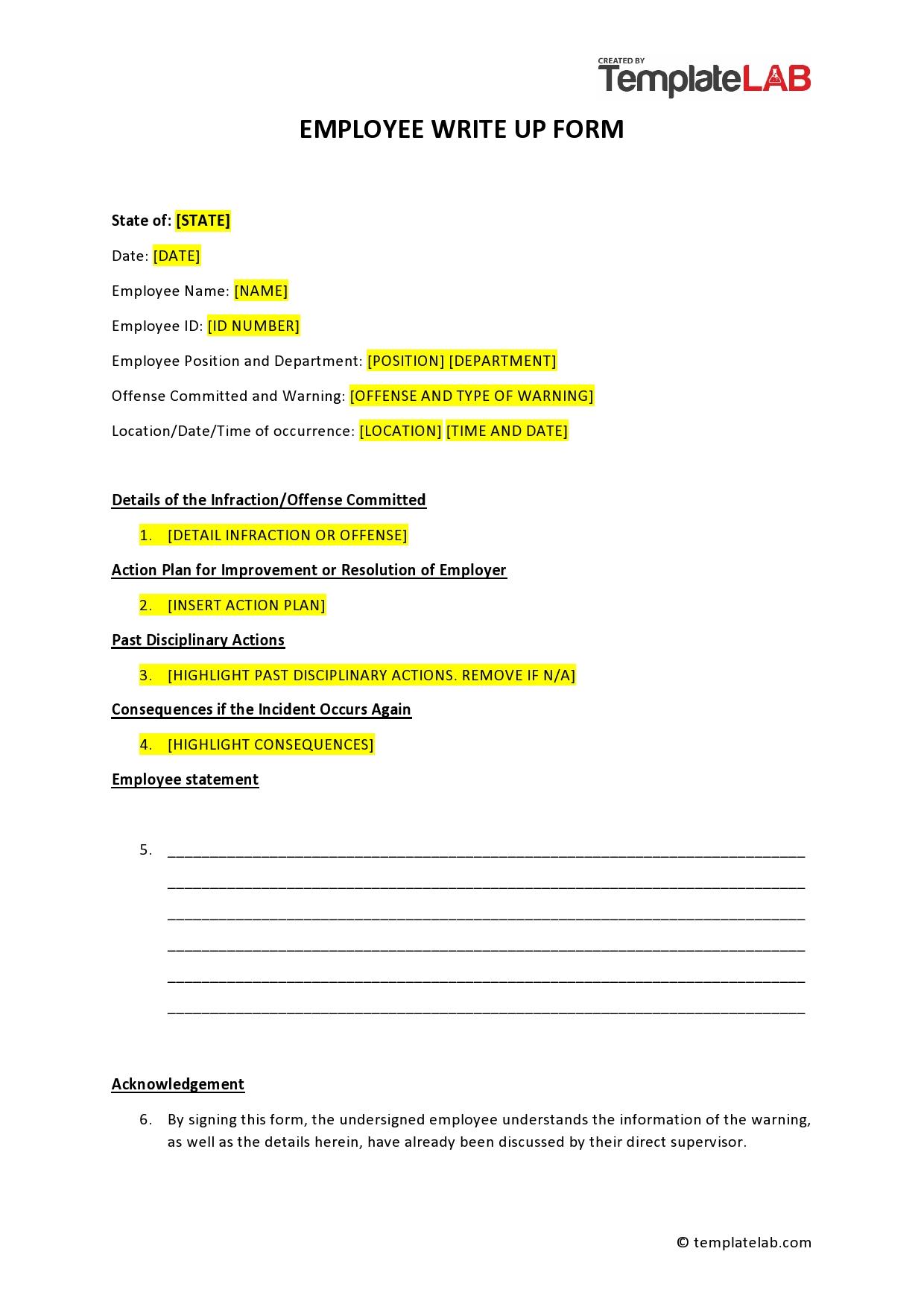
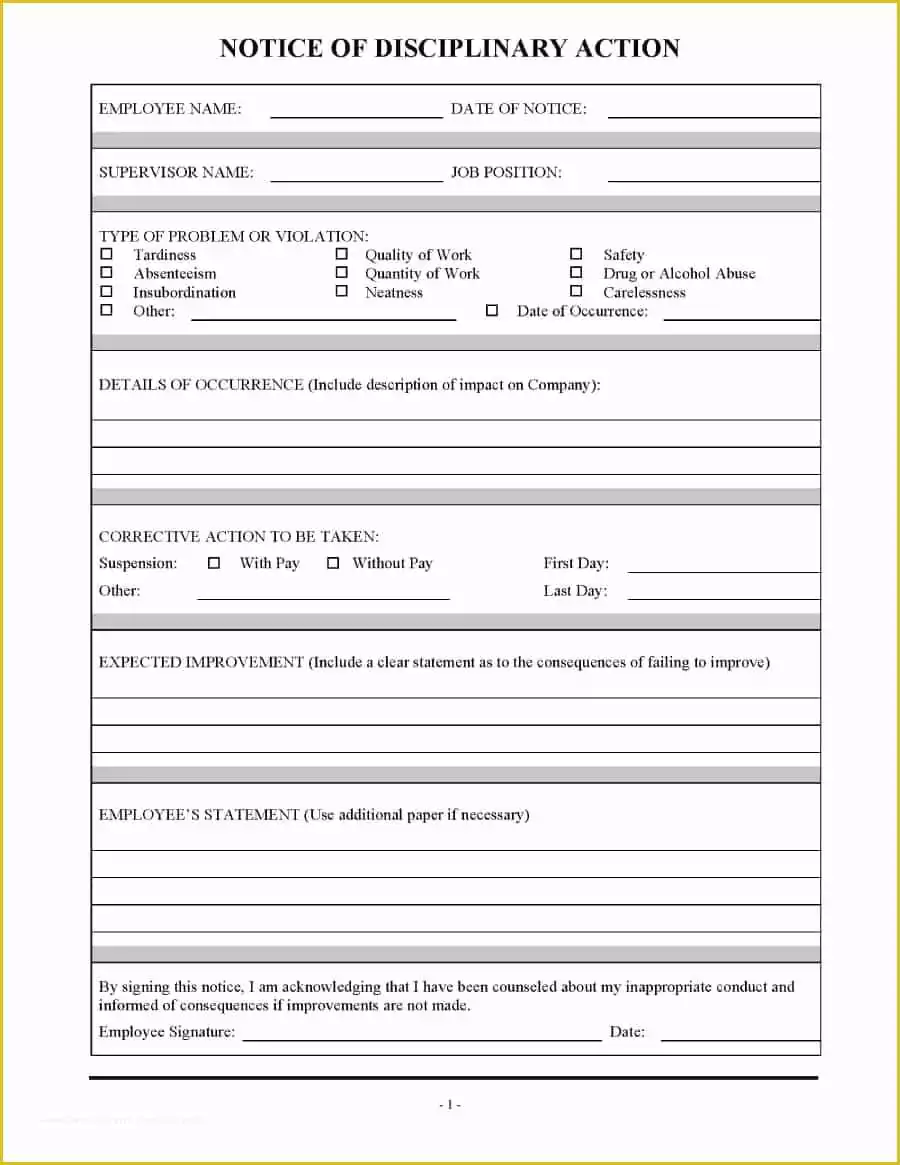
Jot down the date, time, and location of the alleged disrespect-ocalypse. Remember, accuracy is key! Like, laser-beam-accurate.
Next, describe the incident. Be specific! "Bob was being a grump" is less helpful than "Bob rolled his eyes, sighed loudly, and muttered 'this is ridiculous' when asked to file TPS reports."
Think of it as painting a picture with words. A vivid, slightly exasperated, but professional picture.
Example Time! (Because Who Doesn't Love Examples?)
Let's say Sarah snapped at a client on the phone. We've all been there, right? Maybe not snapping exactly, but definitely felt the urge to politely suggest they try turning it off and on again... repeatedly.
Here's how you might phrase it: "On October 26th at 2:17 PM, Sarah was observed speaking in a raised and impatient tone to a client identified as Mrs. Higgins during a phone call. Mrs. Higgins was inquiring about a delayed shipment."
See? Specific, factual, and avoids dramatic embellishments like, "Sarah transformed into a fire-breathing dragon and incinerated Mrs. Higgins' patience!"
The Importance of Objectivity (Aka: Leaving Your Emotions at the Door)
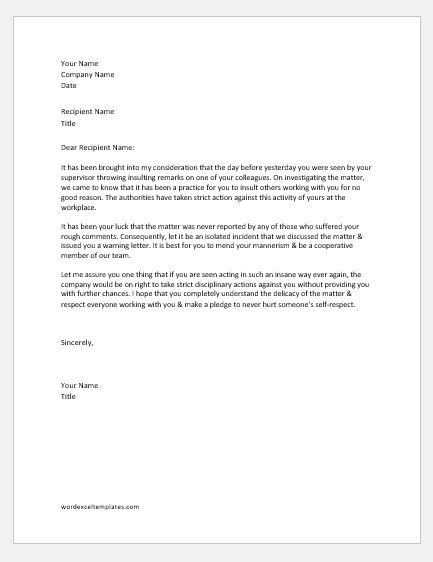
This is crucial: stick to the facts. Avoid adding your personal opinions or feelings. We're not writing a scathing review of Bob's personality, we're documenting a specific instance of disrespectful behavior.
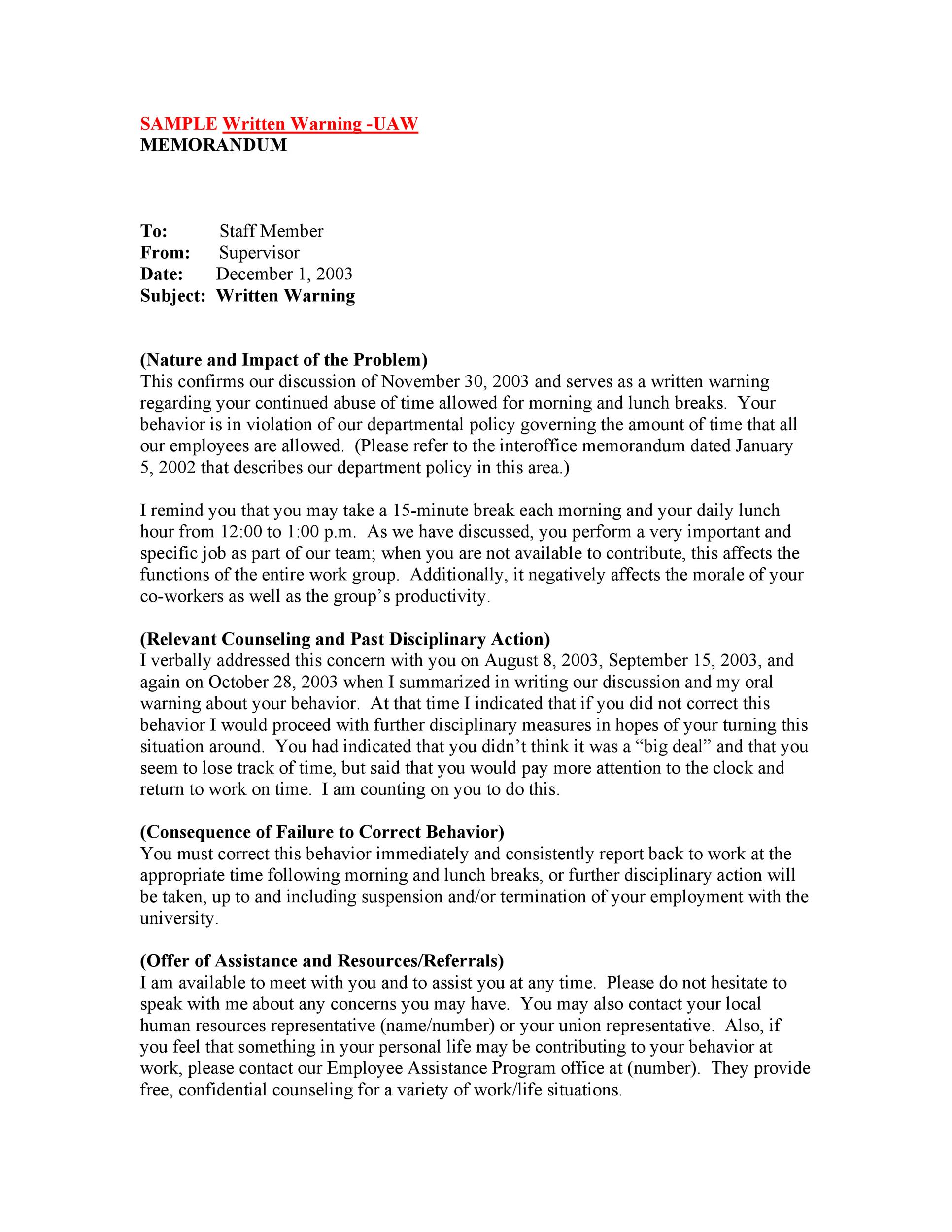
Instead of "Bob's constant negativity is bringing down the entire team!", try: "Bob made the following comments during the team meeting on November 1st: 'This project is doomed,' 'We're all going to fail,' and 'Why bother?'"
Big difference, right? One's a subjective judgment, the other's a record of specific statements.
Document, Document, Document!
Write down everything! Keep meticulous records of every incident. Think of yourself as a workplace behavior historian.
Did someone witness the event? Get their statement! Witness accounts are like gold dust in these situations.
Make sure to store all this information securely and confidentially. Because nobody wants their workplace drama splashed across the office water cooler.
Defining Disrespect (It's Not Always Obvious)
What exactly constitutes "disrespect"? It's not always as clear-cut as a pie in the face (although, let's be honest, that's pretty disrespectful).
Disrespect can manifest in many forms. Think insubordination, verbal abuse, inappropriate language, or consistently ignoring instructions.
It can also be subtler. Eye-rolling, sarcastic remarks, or undermining a colleague in meetings.
Addressing the "Why" (But Briefly!)
Briefly explain why the behavior is unacceptable. Connect it to company policy or expected standards of conduct.
For example: "This behavior violates our company's policy on professional conduct, which requires all employees to treat clients with respect and courtesy."
Keep it concise and avoid getting bogged down in philosophical debates about the nature of respect. Save that for your book club.
The Employee's Perspective (Giving Them a Voice)
Give the employee an opportunity to respond to the write-up. It's only fair, right?
Include a section for their comments. This allows them to provide their side of the story or explain their actions.
Their response might shed light on the situation or reveal mitigating circumstances. Plus, it demonstrates that you're willing to listen.
Setting Expectations (And Consequences)
Clearly state the expected behavior going forward. What do you want to see change?
Be specific and measurable. Instead of "Be more respectful," try: "Refrain from making sarcastic comments during team meetings and address colleagues by their preferred names and pronouns."
Outline the consequences of continued disrespectful behavior. This could range from further disciplinary action to termination.
Delivery is Key (The Art of the Confrontation)
Schedule a private meeting with the employee. Avoid delivering the write-up in a public setting or via email. That's just bad form.
Be calm, professional, and respectful during the meeting. Even if you're secretly seething inside.
Explain the purpose of the write-up and reiterate the company's expectations. Allow the employee to ask questions and provide their input.
Documentation is Your Best Friend (Again!)
Document the meeting itself. Note the date, time, and attendees, as well as a summary of the discussion.
Have the employee sign the write-up to acknowledge that they have received it. This doesn't necessarily mean they agree with it, just that they've been informed.
Keep a copy of the signed write-up in the employee's personnel file. Because paperwork makes the world go 'round... or at least keeps HR happy.
Following Up (Because It's Not a One-and-Done Deal)
Monitor the employee's behavior. Are they making progress? Are they reverting to their old ways?
Provide regular feedback, both positive and negative. Acknowledge improvements and address any ongoing concerns.
Consistency is key. If you let disrespectful behavior slide, it sends the message that it's acceptable. And nobody wants that.
Remember: You're Not a Mind Reader (But You Can Be a Great Communicator)
Sometimes, disrespectful behavior stems from misunderstandings or lack of clarity. Don't assume malice where ignorance could be the culprit.
Encourage open communication and create a safe space for employees to voice their concerns. A happy employee is (usually) a respectful employee.
And finally, remember to treat everyone with respect, even when you're writing them up for disrespect. It's the circle of workplace life!