
How To Wire Portable Generator To House

You know that feeling, right? It’s a dark, stormy night, the wind howls outside like a banshee with a headache, and then – bam! – everything goes silent. The lights flicker, dim, and then… darkness. Utter, complete, fridge-defrosting darkness. Your phone is at 10%, the kids are already asking for snacks they can’t see, and you're staring at a freezer full of rapidly thawing hopes and dreams. Suddenly, that fancy smart home setup feels a lot less smart.
For a while, my family lived that nightmare. We’d drag out the generator, string a spiderweb of extension cords through windows, trip over them in the dark, and constantly worry about carbon monoxide creeping in. It was like living in a post-apocalyptic movie, but with more lukewarm pizza. "There has to be a better way," I thought, wrestling with a particularly stubborn generator cord that just wouldn't reach the coffee maker. And guess what? There absolutely is!
We’re talking about wiring your portable generator directly to your house’s electrical system. Sounds intimidating? Maybe a little. Is it something you can tackle? Well, with the right knowledge and, more often than not, a qualified electrician, absolutely. This isn't just about convenience; it's about safety and peace of mind.
Must Read
First Things First: Safety, Safety, Safety!
Before we even get into the nitty-gritty, let's get something crystal clear: electricity is no joke. Playing around with your main electrical panel without knowing exactly what you're doing can be incredibly dangerous, even fatal. We're talking about high voltage that can not only harm you but also seriously damage your generator, your house, or even electrocute utility workers trying to restore power. Seriously, folks, this isn't the time for guesswork.
This article is here to give you the rundown, explain the options, and help you understand the process. But when it comes to the actual installation? Unless you are a licensed electrician yourself, please, please, please hire a professional. Trust me, your life and the lives of others are worth the cost.
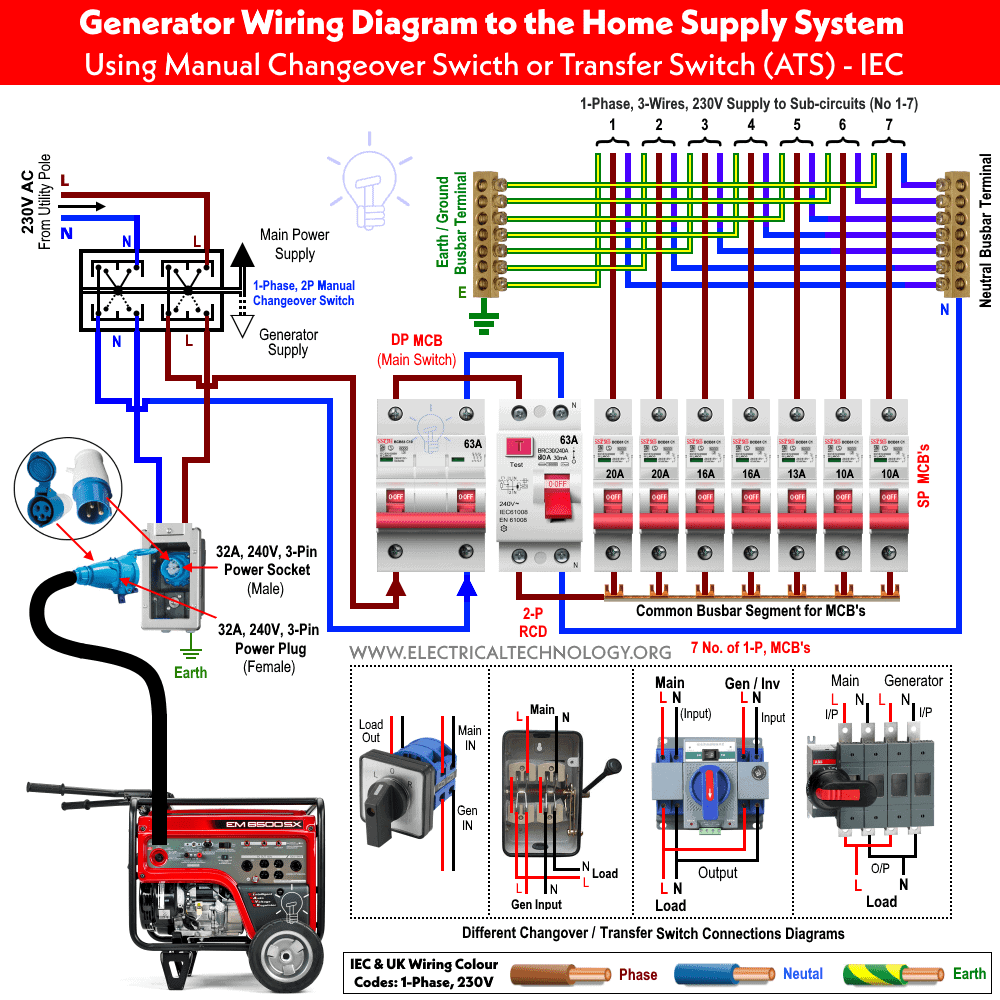
Why Wire It Directly?
You might be thinking, "Why bother? My extension cords work... mostly." And yeah, they do in a pinch. But consider this:
- No More Trip Hazards: Say goodbye to cords snaking across floors and out windows.
- Centralized Power: Power specific circuits (lights, fridge, furnace, a few outlets) directly from your main panel, rather than just one or two things per cord.
- Safety: Reduces fire hazards from overloaded cords and eliminates the need to run cords indoors, which can be a carbon monoxide risk if the generator is too close.
- Convenience: A quick, clean, and efficient way to power essential appliances.
The Absolute No-Go: Backfeeding
Let's get this out of the way right now. Some folks, in a misguided attempt to power their homes, try to simply plug their generator into a regular wall outlet in their house. This is called "backfeeding," and it is extremely dangerous and illegal. When you backfeed, you're sending electricity back out onto the utility grid. If a utility worker is out there fixing lines, they could be electrocuted because your house is still "hot." It's a quick trip to disaster. Don't ever do it.
The Right Way: Transfer Switch or Interlock Kit
The safe, legal, and proper way to connect a portable generator to your house involves one of two main devices: a manual transfer switch or an interlock kit. Both prevent backfeeding by ensuring that your house is either connected to the utility grid or to your generator, never both simultaneously.

1. The Manual Transfer Switch
Imagine a big, beefy switch (because it is!). A manual transfer switch is a dedicated panel that gets installed next to your main electrical panel. It allows you to select which circuits in your house you want to power with the generator (typically your "essential" circuits like the fridge, furnace, well pump, and some lights).
Here's how it generally works:
- Power goes out.
- You start your generator.
- You plug your generator into an outdoor "inlet box" that's wired to the transfer switch.
- You flip a switch on the transfer panel, disconnecting those essential circuits from the utility grid and connecting them to your generator.
It’s a clean, organized, and very safe way to manage generator power. The downside? They can be a bit more expensive to install, especially if you want to power a lot of circuits.

2. The Interlock Kit
An interlock kit is a more budget-friendly and often simpler solution. It’s a mechanical device that gets installed directly onto your existing main electrical panel. Its job is ingeniously simple: it physically prevents you from turning on both your main utility breaker and your generator breaker at the same time. One has to be off for the other to be on. Think of it as a bouncer for your breakers.
With an interlock kit, you'll also need a dedicated "generator breaker" installed in your main panel and an outdoor "inlet box" connected to that breaker.
The process looks something like this:

- Power goes out.
- You go to your main panel, switch off the main utility breaker.
- Slide the interlock plate to allow you to turn on the generator breaker.
- Start your generator and plug it into the outdoor inlet box.
- Switch on the generator breaker.
- Then, selectively turn on the individual circuit breakers you want to power with the generator.
It offers great flexibility because you can choose any circuit in your panel, provided your generator can handle the load.
The Components You'll Need (and the Pro Will Install)
- Generator: Obviously! Make sure it's sized appropriately for what you want to power.
- Transfer Switch or Interlock Kit: As discussed above.
- Generator Inlet Box: This is where you plug your generator into the house, usually mounted on an exterior wall.
- Power Cord (Generator Cord): A heavy-duty, properly rated cord to go from your generator to the inlet box. Get the right length and plug type!
- Wiring: Proper gauge wire connecting the inlet box to your transfer switch or interlock setup.
The Installation Process (Briefly, Because You're Calling a Pro!)
Your electrician will typically:
- Assess your needs: What do you want to power? What size generator do you have?
- Choose the right system: Transfer switch or interlock kit.
- Install the inlet box: On an exterior wall, usually near the main panel, ensuring it's safely away from windows and doors for carbon monoxide reasons.
- Wire the system: Connect the inlet box to the chosen transfer device inside your main electrical panel. This involves working with live circuits, often requiring a utility power shut-off.
- Test everything: They'll ensure it all works safely and correctly, and they'll likely walk you through the operating procedure.
Final Crucial Reminders!
- NEVER run your generator indoors or in an attached garage. Carbon monoxide is odorless and deadly. Keep it outdoors, at least 20 feet from windows, doors, and vents.
- Always use a CO detector in your home, especially during a power outage.
- Properly ground your generator. Your electrician can advise on this.
- Store fuel safely and away from living areas.
- Read your generator's manual! Seriously, it's there for a reason.
So there you have it! Wiring your portable generator to your house isn't some mythical electrician's secret. It's a straightforward (for a pro!) process that elevates your generator from a tangle of cords to a reliable, integrated power solution. No more lukewarm pizza, no more stumbling in the dark. Just flip a switch, and you’re back in business. Now go forth and conquer those power outages like the prepared, safety-conscious homeowner you are! Or, well, call someone who can do it for you, which is arguably even smarter.