You’ve got a grand vision. A brilliant idea. Something that needs the strength of steel and the lightness of aluminum, together as one. Your mind races: "Aha! I'll just weld them!"
Hold that thought. Grab a comfy chair. Maybe a snack. Because we’re about to dive into a topic as tricky as teaching a cat to fetch. And almost as rewarding.
The Great Divide: Steel and Aluminum
Imagine trying to mix oil and water. With a blender. For a really, really long time. They just don't want to play nice. That’s kind of how steel and aluminum feel about each other when you suggest they become one through the fiery embrace of a weld.
These two metals are like siblings from different planets. Steel is rugged, loves a good hot day, and expands rather leisurely when heated. Aluminum is lightweight, melts much quicker, and expands like it just discovered a growth spurt when things get warm. They have vastly different melting points. Like trying to bake a cake and a snowball at the same temperature. One will be perfect, the other, well, a puddle.
When you try to weld them, you hit a snag. A big, invisible, science-y snag. You see, aluminum forms a layer of oxide when exposed to air. This layer is stubborn. It makes it hard for the metals to bond. It’s like trying to shake hands with someone wearing really thick oven mitts. Not ideal for a strong connection.
How to Weld Aluminum (with Pictures) - wikiHow
Then there's the formation of something called intermetallic compounds. Sounds fancy, right? Basically, it’s when steel and aluminum decide to mix in a way that makes the weld super brittle. It's like baking a cookie that looks great but shatters into a million pieces the moment you touch it. Not exactly what you want for structural integrity.
My Unpopular Opinion on Welding Steel to Aluminum
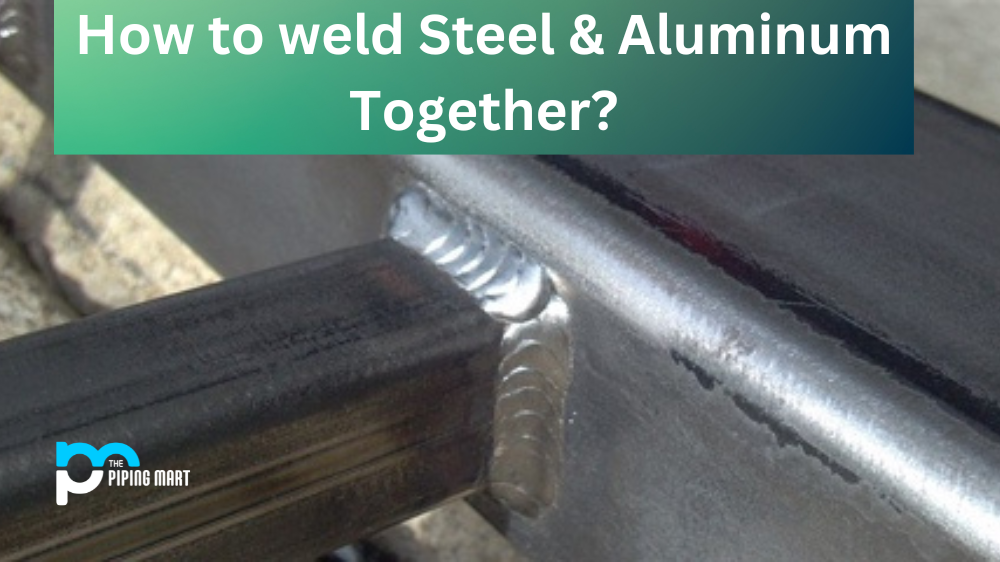
So, here’s my possibly unpopular, but deeply held, opinion: if you're asking "How to weld steel to aluminum?" at your kitchen table with a borrowed welder, the answer is probably: don't. At least, not if you want something that actually holds together without a significant amount of professional magic and specialized equipment.
My humble advice? For most of us, trying to weld steel to aluminum directly is like trying to convince a squirrel to pay taxes. Possible in theory, but highly impractical and likely to end in frustration and perhaps a small fire.
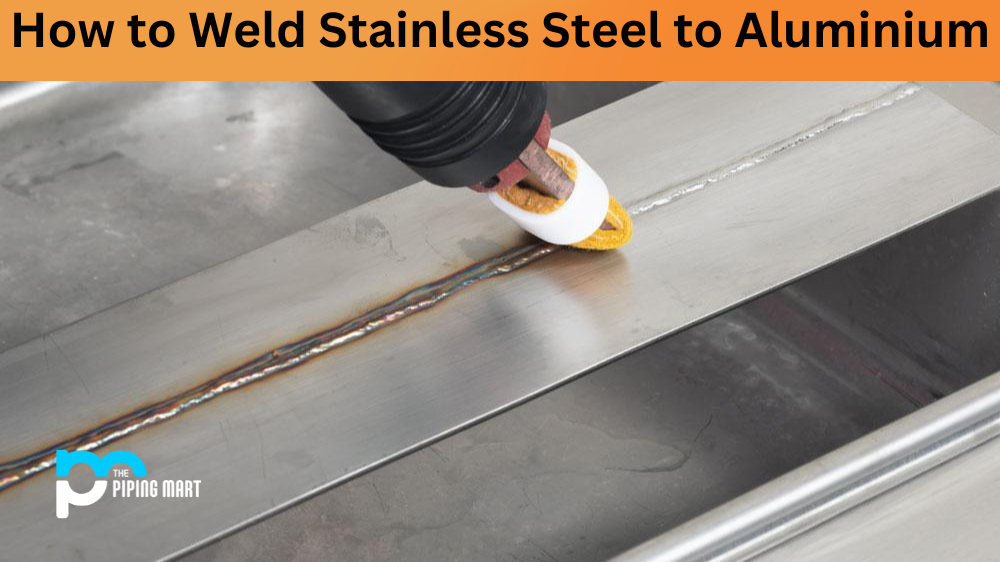
Can You Weld Stainless Steel And Aluminum Together at Howard Vasquez blog
Seriously, even seasoned welding experts will tell you this is one of the trickiest challenges. It’s not your everyday job. It requires very specific techniques. Think about things like friction stir welding, explosive welding, or using special transition inserts. These aren't exactly found at your local hardware store's "weekend warrior" aisle.
It’s like trying to build a bridge between two islands that are constantly moving apart. You can try. You can really, really try. But physics and chemistry are working against you. And they are formidable opponents.
The Secret to Welding Steel to Aluminum | American Industrial Supplies
So, What's a Dreamer To Do?
Fear not, fellow innovator! Just because welding them directly is a heroic quest doesn't mean your vision is doomed. There are, shall we say, more agreeable paths.
Option 1: The "Bolt It!" Method. Sometimes, the simplest solution is the most elegant. Bolting or riveting allows you to join the two metals without making them angry. It respects their individual personalities. Plus, if you need to take them apart later, it’s a breeze! Think of it as a friendly handshake instead of a forced marriage.
Option 2: The "Glue It (Really Well)!" Approach. Modern adhesives are astonishingly strong. There are epoxies out there that can bond different metals with impressive strength. Just make sure you pick one designed for the job. It's like using super-strong tape to bind your oil and water experiment. Less drama, more stick.
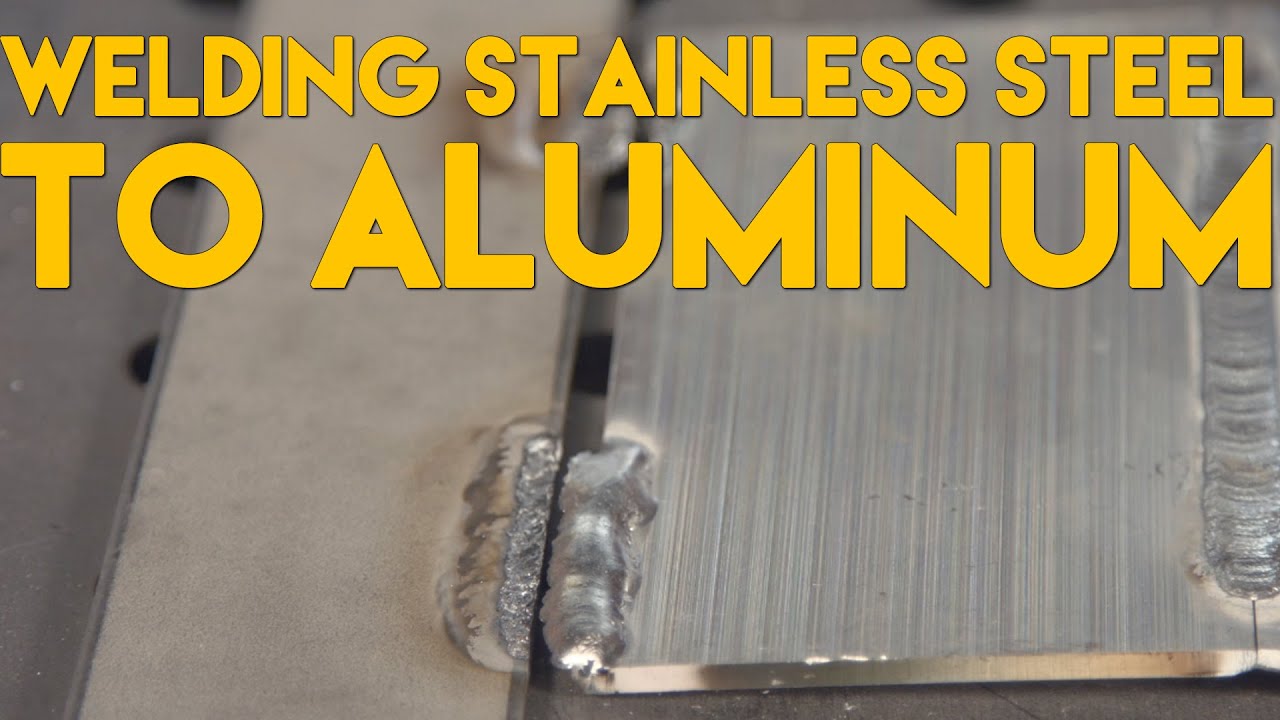
🔥 Welding Stainless Steel to Aluminum Welding | TIG Time - YouTube
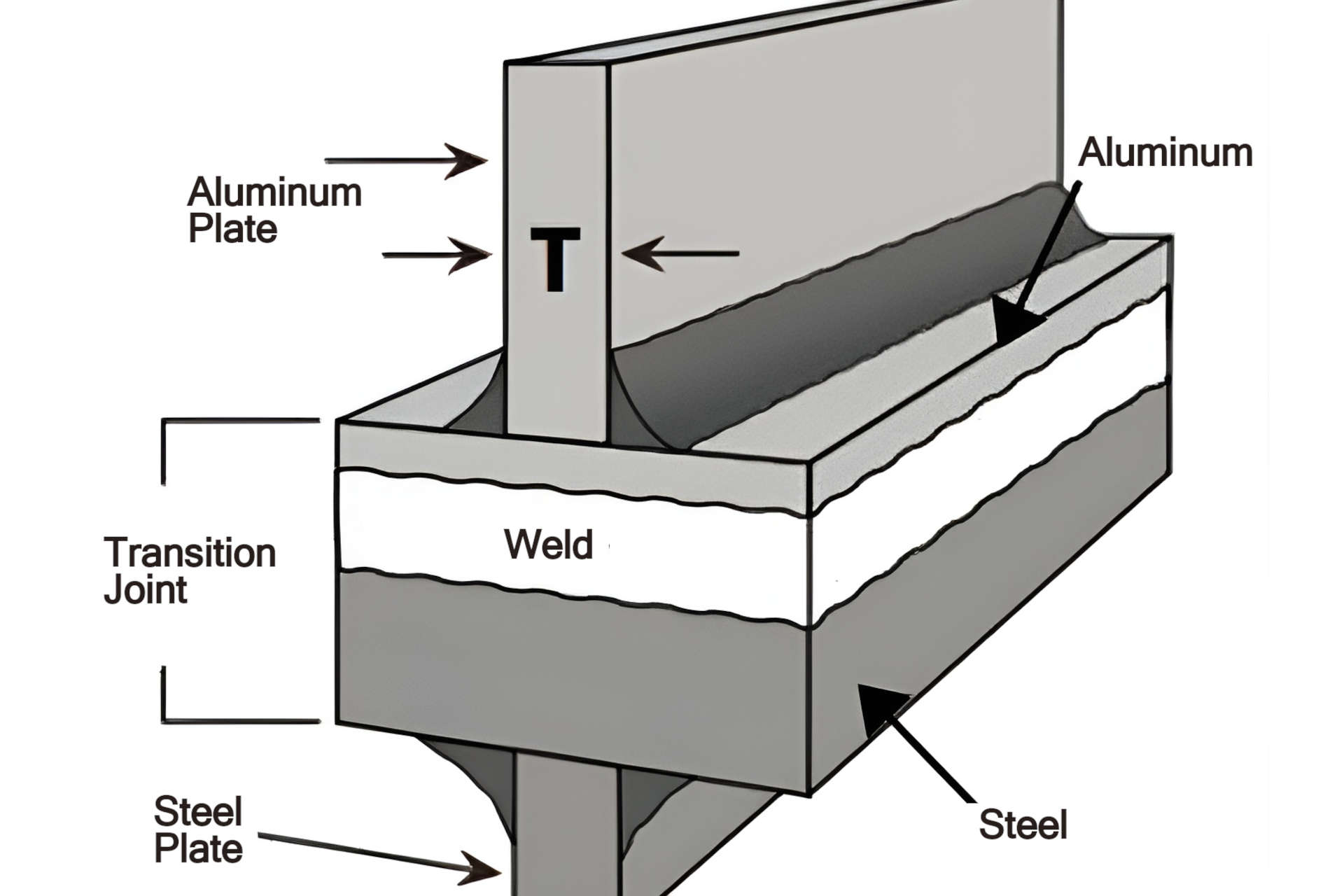
Option 3: The "Transition Piece" Tango. For a more robust solution, especially in industrial settings, professionals often use a "transition piece." This is a specially made bit of metal that might have steel on one end and aluminum on the other, seamlessly joined by a highly controlled process. You then weld your steel to the steel side and your aluminum to the aluminum side. It’s like getting a translator for our two planetary siblings.
Option 4: The "Hire a Wizard" Method. If you truly, deeply need a direct weld, find someone who specializes in advanced material joining. These folks are the Gandalf of welding. They have the highly specialized gear, the rare gases, and the arcane knowledge needed to coax these reluctant metals into a bond. But be prepared; their magic doesn't come cheap.
Ultimately, the world of materials science is vast and amazing. But sometimes, when physics gives you a firm "no," it's best to nod, smile, and find a clever workaround. Embrace the beauty of bolting, the marvel of modern adhesives, or the wisdom of the welding wizard. Your project, and your sanity, will thank you.