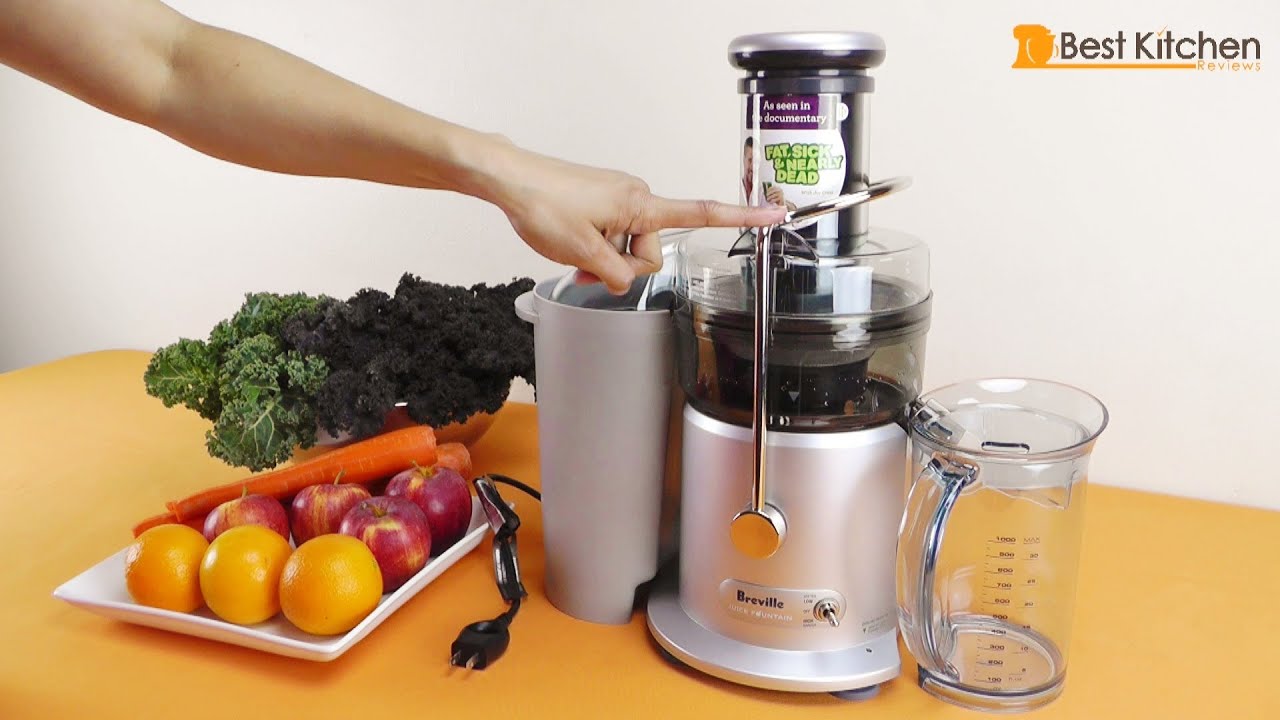
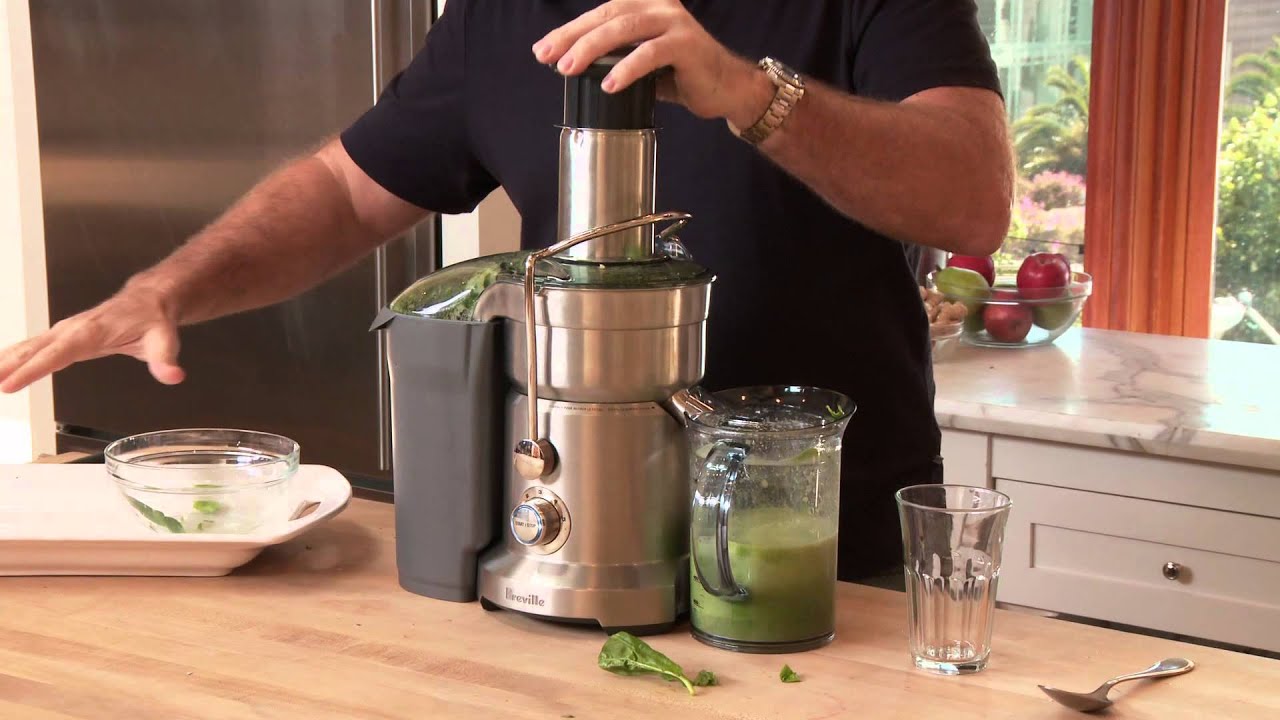
How To Use The Breville Juicer

The Breville juicer. It's not just a kitchen appliance; it's a portal to vibrant health and, surprisingly, a world of creative exploration! Maybe you envisioned it purely for boosting your morning energy with a green juice, and that's fantastic. But what if I told you it could unlock your inner artist, spark a new hobby, or simply add a splash of color to your learning experiences? Intrigued?
For artists, hobbyists, and even casual learners, the Breville juicer offers a unique and unexpected palette. Think beyond celery and carrots and imagine the possibilities! Natural dyes derived from fruits and vegetables are an eco-friendly and fascinating way to add color to your world. Forget harsh chemicals and embrace the gentle hues nature provides.
Consider this: a watercolor artist can use beet juice for a range of rosy pinks and reds. Spinach juice offers subtle greens, perfect for landscapes. Even onion skins, surprisingly, create a warm, earthy brown. Fabric artists can use these juices to dye natural fibers like cotton and linen, creating unique, one-of-a-kind pieces. For hobbyists, tie-dyeing with natural fruit and vegetable dyes is a fun and safe project, especially with kids. Imagine tie-dyeing t-shirts with vibrant colors derived from blueberries, carrots, and turmeric! And for the learner, experimenting with these dyes is a fantastic science project, observing how different fruits and vegetables react to fabrics and mordants (substances used to fix dyes).
Must Read
Subjects and styles are limited only by your imagination. Create abstract art using the bleeding colors of onion skins and red cabbage. Paint botanical illustrations with delicate shades of carrot and parsley juice. Dye Easter eggs with vibrant fruit hues instead of artificial colors. The possibilities are truly endless.
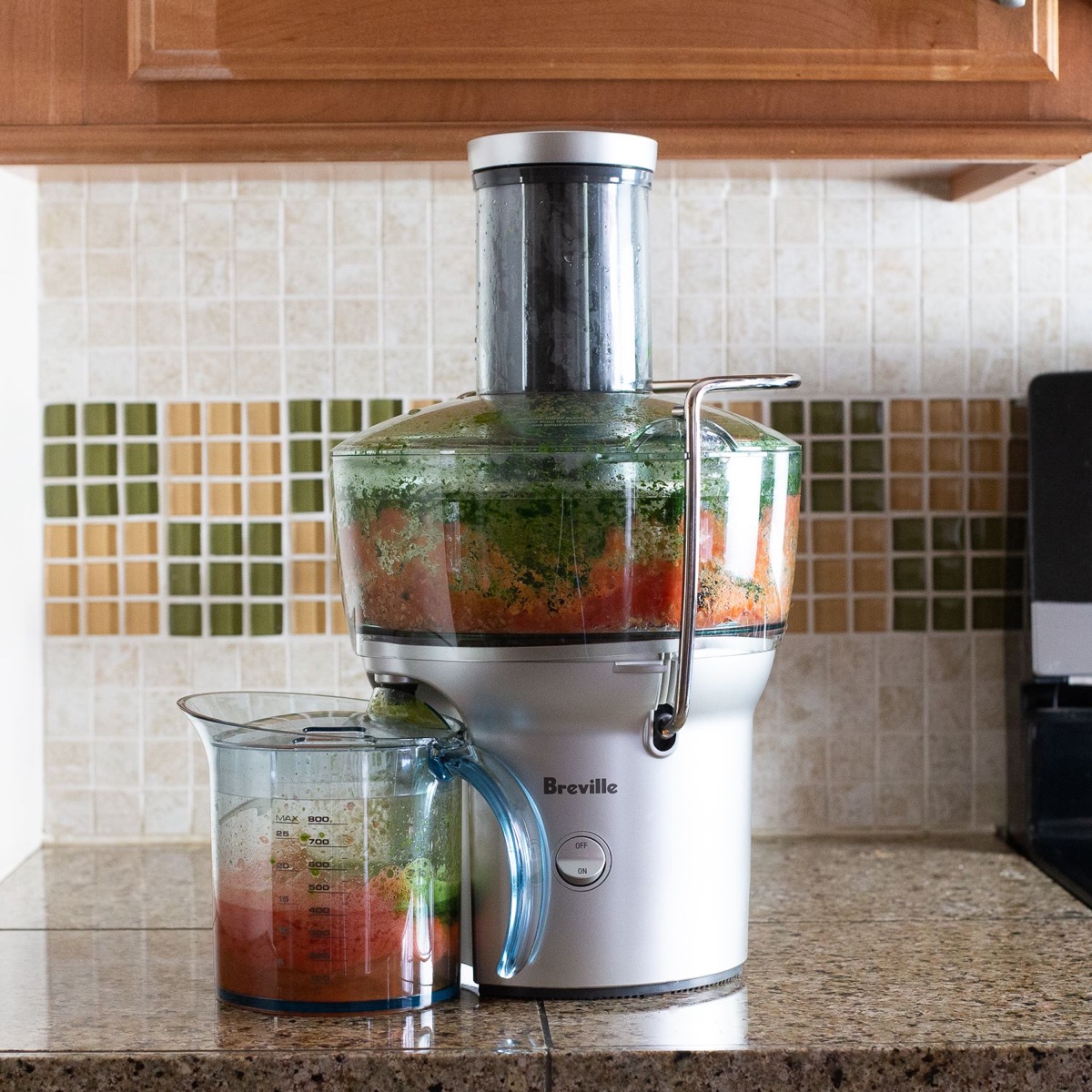
Ready to try this at home? Here are a few tips:
- Preparation is key: Thoroughly wash your fruits and vegetables before juicing. Organic is always a plus!
- Experiment with combinations: Don't be afraid to mix and match fruits and vegetables to achieve your desired color.
- Strain the juice: Use a cheesecloth or fine-mesh sieve to remove any pulp, ensuring a smoother application.
- Use mordants: For fabric dyeing, mordants like vinegar or salt help the dye bind to the fabric. Research appropriate mordants for different fibers and dyes.
- Test first: Always test your dye on a scrap piece of fabric or paper before applying it to your final project. This allows you to adjust the color and technique.
- Have fun! Don't be afraid to experiment and embrace the unexpected results.
Ultimately, using your Breville juicer for artistic or learning endeavors is enjoyable because it connects you to nature in a tangible way. It's about discovering hidden potential in everyday items and transforming them into something beautiful and unique. It's a process of experimentation, discovery, and creative expression that brings joy and satisfaction. So, dust off your juicer, grab some fruits and vegetables, and unleash your inner artist – or scientist!