How To Turn Off Low Battery Fire Alarm
Ah, the sweet sound of... absolute silence. In a world full of beeps, pings, and constant notifications, there's a particular kind of relief that comes from taming the most insistent of household noises: the dreaded low battery fire alarm chirp. It's a universal symphony of annoyance, usually starting its solo performance at 3 AM. While nobody enjoys the chirp itself, the pursuit of its cessation, the thrilling hunt for the offending device, and the eventual, glorious quiet, offers a unique sense of accomplishment. It’s not just about stopping a noise; it’s about reclaiming your peace, your sleep, and your sanity, transforming a household headache into a moment of pure, unadulterated triumph.
The benefits of this noble quest extend far beyond a good night’s sleep. The primary purpose of silencing that incessant chirp isn't just about immediate relief; it's about maintaining the integrity of your home safety system. That chirp is a vital messenger, a tiny siren telling you your first line of defense against smoke and fire is compromised. By learning to effectively "turn off" the low battery signal, you're not just silencing a nuisance; you're ensuring your fire alarm is fully functional and ready to protect your loved ones when it truly matters. It’s about being a responsible homeowner, not just a desperate one, ensuring that when the alarm does go off, it’s for a real emergency, not just a dead AA battery.
This critical skill is applied in countless homes, probably yours included, at the most inopportune moments. Whether it's the smoke detector above your bed, the carbon monoxide alarm in the hallway, or the combination unit strategically placed in the kitchen to catch every stray waft of burnt toast, these devices are everywhere. Common examples include the classic "chirp from an unknown location" that requires a full house sweep, the alarm that only chirps when you're trying to watch the climax of your favorite movie, or the one that goes off precisely when guests are over. Each scenario presents a unique challenge, a tiny puzzle waiting to be solved, culminating in that incredibly satisfying moment when the silence descends once more.
Must Read
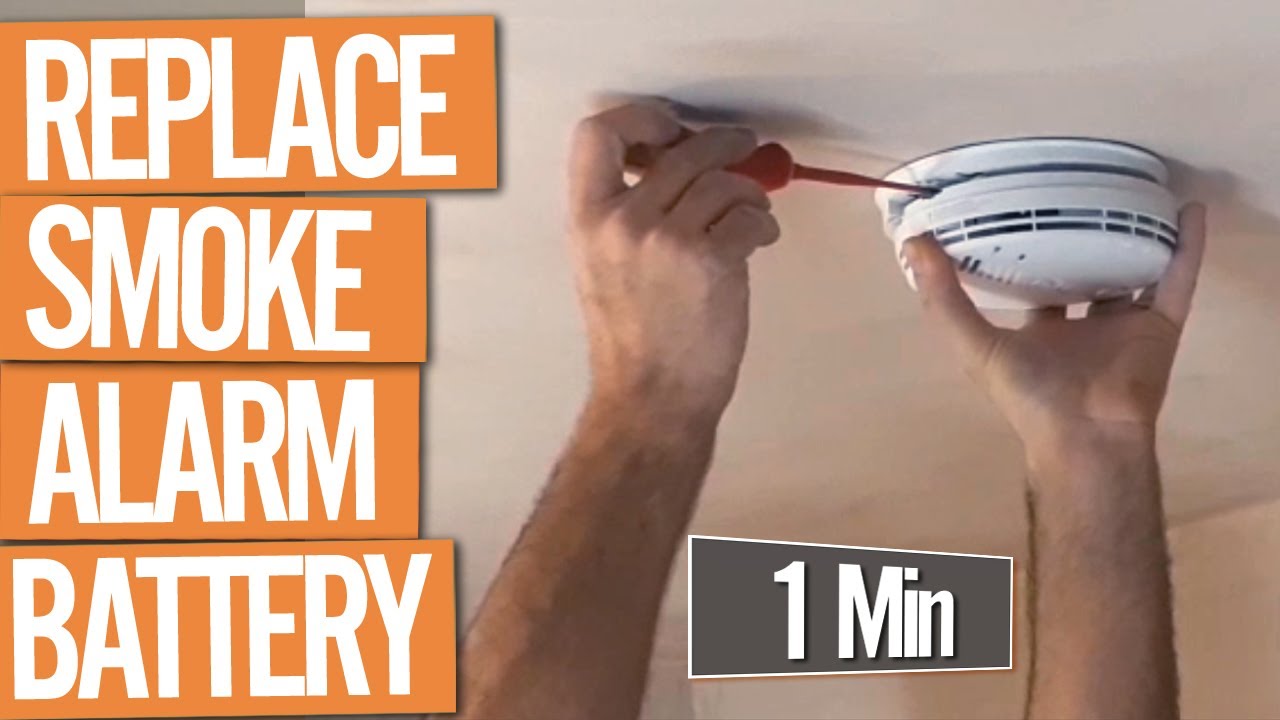
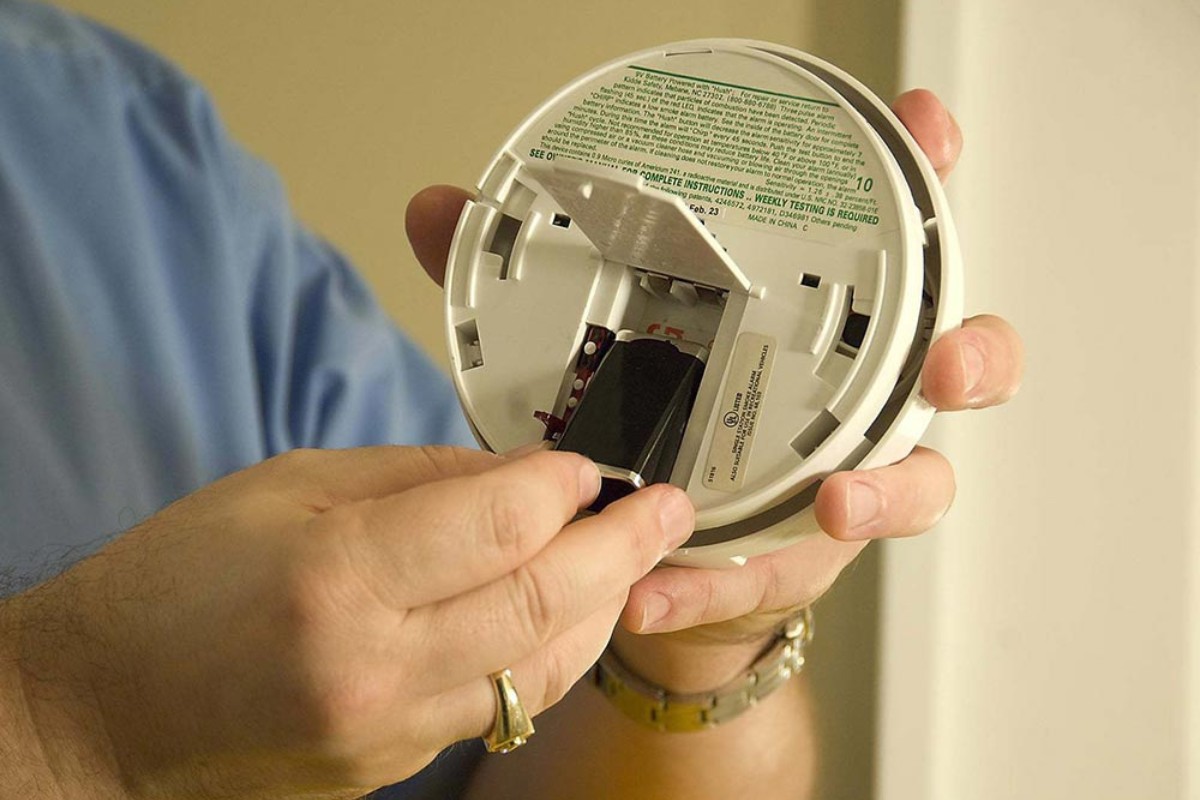
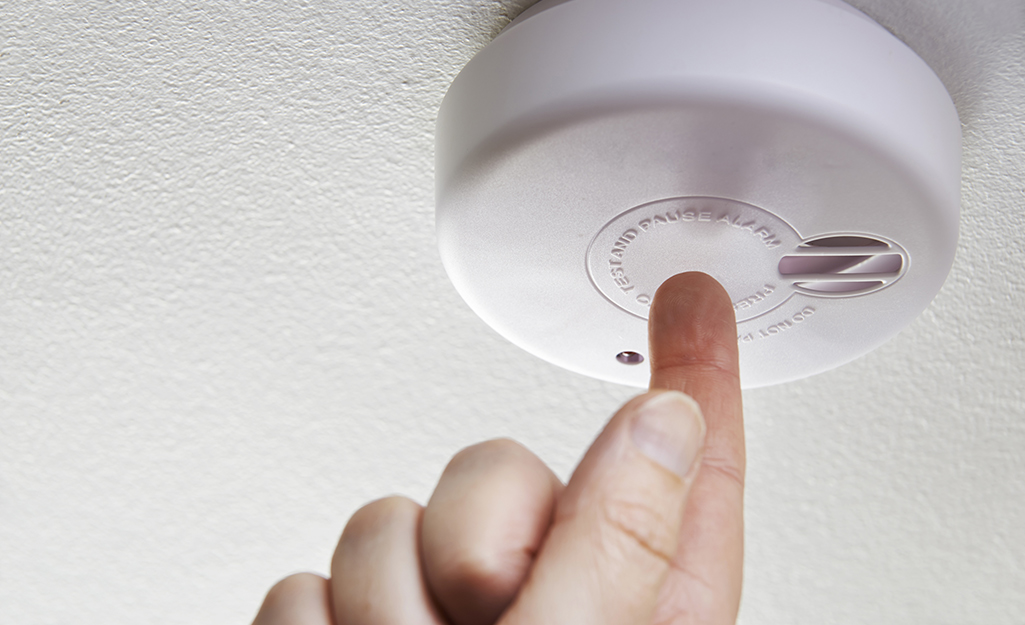
So, how do you truly "enjoy" this activity more effectively? By turning frustration into an efficient mission! First, identify the culprit: often, pressing the "test" button on each alarm will temporarily silence the chirping one, helping you pinpoint it. Next, know your alarm type: is it hardwired with a battery backup, or purely battery-operated? For most, a simple 9V or AA battery swap is all it takes. Grab a step ladder, a small screwdriver, and fresh batteries. Carefully twist or slide the alarm off its base, open the battery compartment, and swap out the old for the new. If it's hardwired, remember to replace the battery backup even though it’s plugged in. Finally, after installation, always test the alarm with a quick press of the "test" button to confirm it’s working. For ultimate enjoyment and peace of mind, make a habit of replacing all fire alarm batteries twice a year, perhaps when Daylight Saving Time begins and ends. This proactive approach means less 3 AM panic and more uninterrupted slumber, truly turning off that low battery fire alarm before it even starts its annoying song.