
How To Turn Off Fire Alarm Without Battery
You’re there, bleary-eyed, coffee half-poured, when suddenly—BEEP! BEEP! BEEP!
It’s the sound designed by angry pixies to shatter your soul, curdle your milk, and make your cat question all its life choices. It’s the fire alarm, screaming its tinny, insistent truth into the very fabric of your peaceful morning.
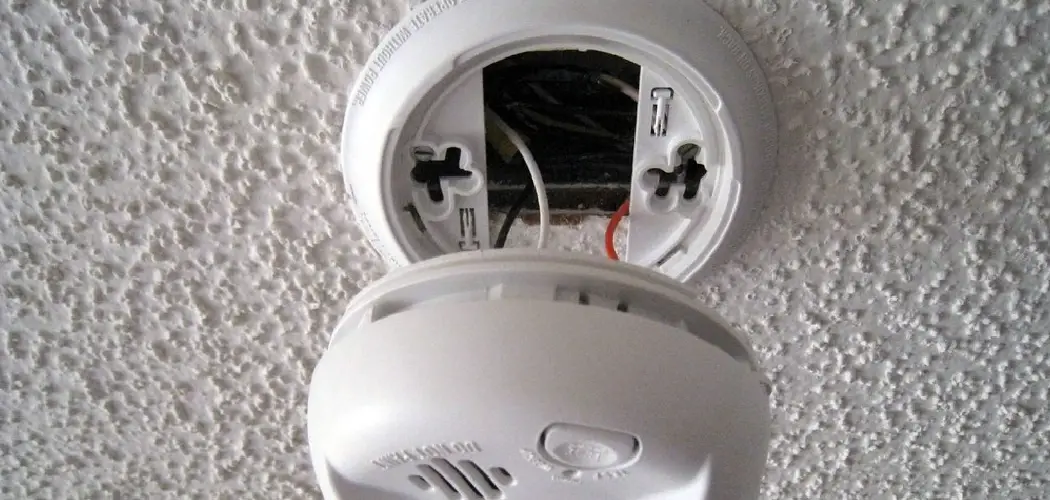
You panic. You jump on a chair. You frantically twist, yank, and eventually, with the grace of a frantic squirrel trying to disarm a tiny, plastic opera singer, you rip out the battery. There! Silence, at last!
Must Read
Except... it’s still beeping. BEEP! BEEP! BEEP!
You stare at the gaping battery compartment. You stare at the alarm, now seemingly running on pure spite. You stare at your hand, clutching the 9-volt like a trophy from a battle you’ve clearly lost. "But... but I removed the battery!" you shriek, startling the cat again. "How is this demonically possessed plastic disc still screaming?!"
Welcome, my friends, to the baffling, soul-crushing saga of the fire alarm that just won't quit, even without its battery. Yes, it’s possible. And no, you’re not going crazy. Probably.
The Mystery Unraveled: The Hardwired Horror
So, how is this infernal contraption still serenading you with its piercing cries? Did it make a deal with a tiny, malevolent tech deity? Is it, in fact, running on pure, unadulterated spite?

The shocking truth: many modern fire alarms are hardwired into your home's electrical system. Think of it like a very rude, very loud houseguest who plugs directly into your main power supply and never leaves.
The battery you so valiantly yanked out? That’s just its backup, like a tiny emergency snack for when the main power goes out. So, while you deprived it of its snack, its main course is still very much being served directly from your home's wiring. Sneaky, right?
The Great Breaker Hunt: Cutting the Cord (Figuratively)
Alright, detective, grab your magnifying glass (or just your wits, they're probably sharper). Your first mission, should you choose to accept it, is to find your home's circuit breaker box.
It’s usually in the basement, garage, a utility closet, or sometimes, bafflingly, behind a tapestry depicting a medieval feast. It looks like a gray metal box, often with a door, concealing a row of switches.
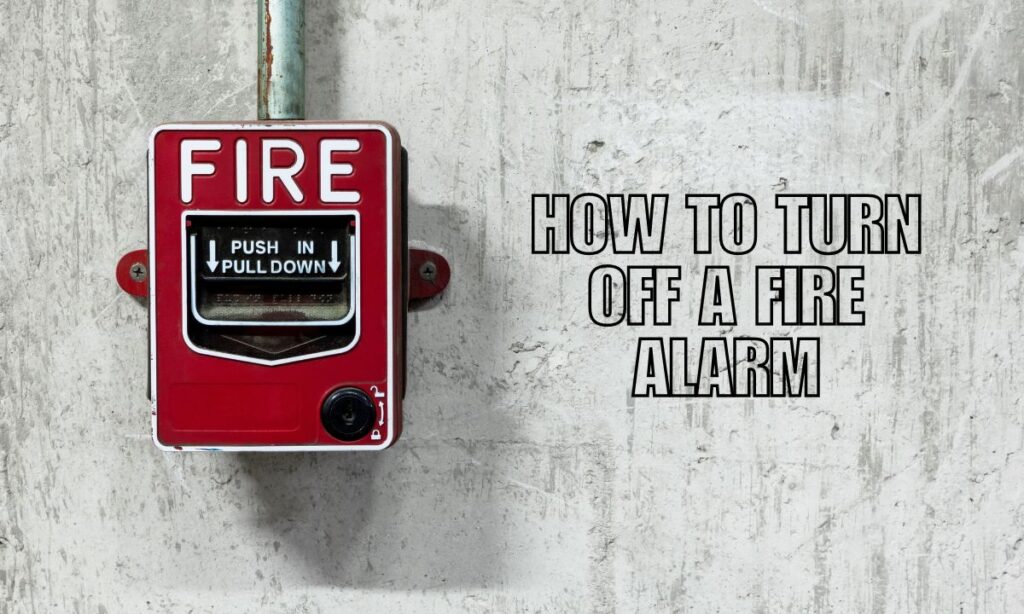
Once found, you're looking for the breaker that controls your smoke detectors. It might be labeled 'Smoke Alarms,' 'Fire,' 'Lighting,' or something equally vague and unhelpful. If not, it's time for some educated guesswork.
Flip it off! You're aiming for that sweet, sweet silence. If the wailing stops, congratulations, you've just performed electrical surgery without a license. Don't worry, we won't tell anyone.
Pro Tip: If the entire house suddenly plunges into darkness, you might have accidentally flipped the main breaker. Oops. Flip it back on and try again with a smaller switch! Test nearby lights to confirm you've cut power to the right area.
The Backup Battery Strikes Back (Again!): Finishing the Job
Ah, but our stubborn alarm has one last trick up its sleeve. Remember that backup battery we talked about? Even after you cut the main power, it might still have enough residual juice to emit a pathetic, dying gasp—or a full-blown opera, depending on its mood and how much it enjoys tormenting you.
With the main power definitely off (you tested by trying to turn on a light switch nearby, right?), it's time to physically remove that little energy pack. Most alarms twist off their base with a quarter turn or have small clips you can press.
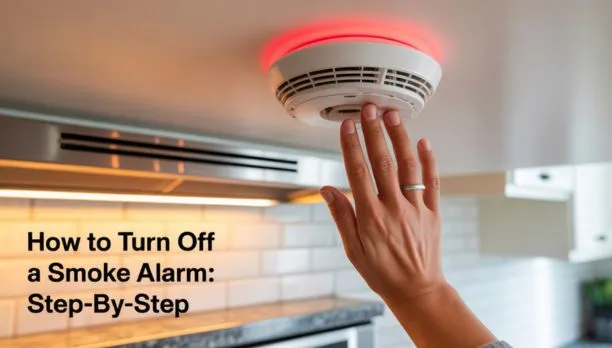
Pop it open, locate the 9-volt battery (yes, the one you already pulled, but this time from a different alarm, or the one you thought you silenced), and remove that backup battery for good measure. Finally, glorious, sweet, soul-restoring silence!
If it still makes noise, congratulations, you've found a truly haunted appliance. Call an exorcist. Or, more practically, a qualified electrician.
The Quick Fixes & The Dusty Truth: Sometimes It's Simple
Before you go full electrical ninja, sometimes the problem is simpler. Is the alarm actually detecting something? Check for burnt toast, a forgotten pizza rapidly turning into charcoal, or a particularly aggressive dust bunny convention near the detector.
A quick blast with canned air or a gentle wipe with a cloth can sometimes silence a dust-triggered alarm. Dust is a surprisingly common culprit, often mistaken for smoke by these hypersensitive guardians.
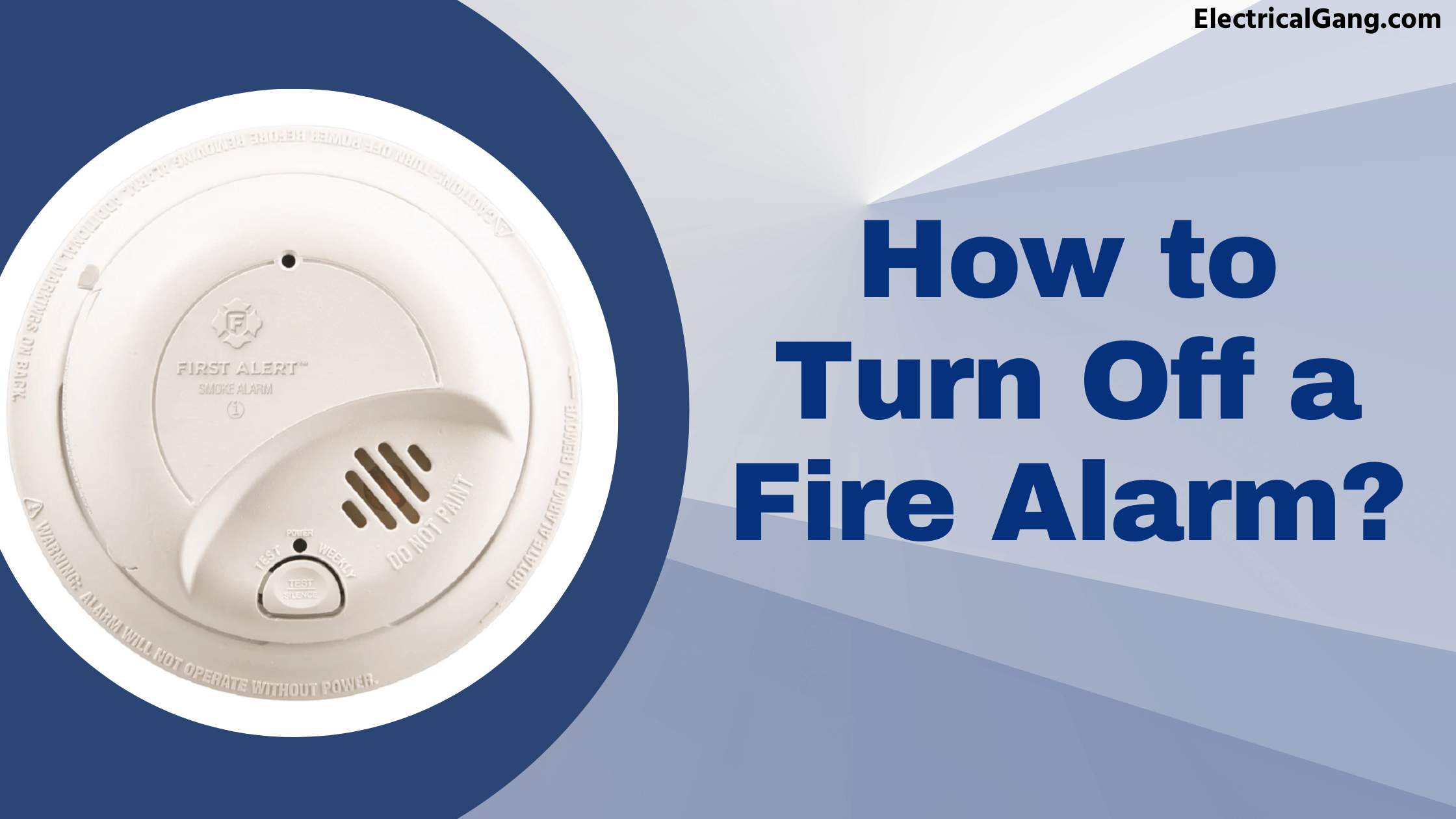
Also, try pressing the 'Test' button. Sometimes holding it down for 15-20 seconds can reset the alarm, quieting its lament. Many alarms also have a tiny 'Reset' button somewhere on the casing. A paperclip might be your best friend here.
The Aftermath & The "Don't Be Stupid" Clause
Once the coast is clear, your sanity has returned, and your neighbors have stopped giving you suspicious glances, remember to put the backup battery back in and flip that circuit breaker on.
These things are there for a reason, folks! We're talking false alarms here, not actual infernos. Always ensure your fire safety system is operational. Test it regularly after putting everything back.
If you're ever unsure, if the alarm keeps false-alarming even after cleaning and resetting, or if you're uncomfortable messing with electricity (which is a perfectly valid feeling!), please, for the love of all that is quiet, call a professional. Don't become a human conductor for a truly shocking story.
Now, go forth, and enjoy the blissful quiet. You've earned it. And maybe get some noise-canceling headphones, just in case. You never know when the tiny, plastic opera singer might decide to give an encore.