How To Turn Off A Hardwired Smoke Alarm
You know that feeling, right? That utterly delightful moment when you’re nestled on the couch, maybe catching up on your favorite show, or perhaps enjoying a blissful, uninterrupted night’s sleep, and then – BEEP! BEEP! BEEP! Not the gentle, reassuring kind of beep from your microwave, oh no. This is the urgent, high-pitched, soul-shattering shriek of a hardwired smoke alarm. It’s like your house suddenly decided to host an impromptu heavy metal concert, and you, my friend, are the unwilling, captive audience.
For many of us, this isn't just a minor annoyance; it's a full-blown existential crisis wrapped in a tiny, plastic disc. We've all been there, frantically waving a dishtowel, or standing on a wobbly chair at 3 AM, trying to appease the electronic overlord that has decided your peaceful existence is no longer acceptable. And unlike those charming battery-operated ones that just need a fresh set of AA’s, a hardwired alarm is like that stubborn friend who just refuses to leave the party. It's connected directly to your home's electrical system, making it a bit more… complicated.
The Great Detective Work: Finding the Fussy Fella
First things first, you need to play detective. Often, it's not all of them beeping, but just one, or maybe two, echoing through the halls like a Gregorian chant gone terribly wrong. Stroll through your house, listening intently. It might be the one in the hallway that’s decided it's seen too many dust bunnies, or perhaps the one in the kitchen that secretly judges your cooking. Once you’ve identified the primary noisemaker, give yourself a small, silent cheer. You’ve pinpointed the enemy!
Must Read
Now, here's where things get a little less "waving dishtowels" and a little more "adulting." Because this bad boy is hardwired, simply yanking out a battery won't silence its indignant wails. It's like trying to turn off your TV by just pulling the batteries out of the remote. It might make you feel better, but the TV is still very much on.
Operation: Silence is Golden (And Safe!)
Your next destination is the circuit breaker panel. Yes, that mysterious metal box, usually lurking in the basement, garage, or a utility closet, filled with a grid of switches that look like they belong in a spaceship cockpit. If you're lucky, your breakers are neatly labeled. If you're like the rest of us, you'll find vague scribbles like "Kitch," "Bed 2," or the ever-helpful "Misc."
Here’s the crucial bit: safety first! You're about to mess with your home's electricity, so let’s not turn off the smoke alarm by accidentally turning ourselves into human conductors. Before you do anything else, grab a flashlight and perhaps a buddy to stand guard (or just to laugh at your eventual plight).
You need to find the breaker that controls the smoke alarms. This is often labeled "Smoke Detectors," "Alarms," or it might share a circuit with overhead lights in a common area. If you’re unsure, and the labels are as helpful as a screen door on a submarine, you might have to engage in a bit of a guessing game. It’s like playing "battleship" with your house, but the stakes are slightly higher than a plastic toy boat.
Start by flipping off breakers one by one, preferably starting with those that might be related to common areas. Each time you flip one, listen for the blessed silence. When the dreaded BEEP! BEEP! BEEP! finally ceases, you’ve found your culprit circuit. Leave that breaker in the "off" position. This ensures no power is flowing to the alarm, making it safe to handle.
The Grand Disconnect: Unplugging the Problem Child
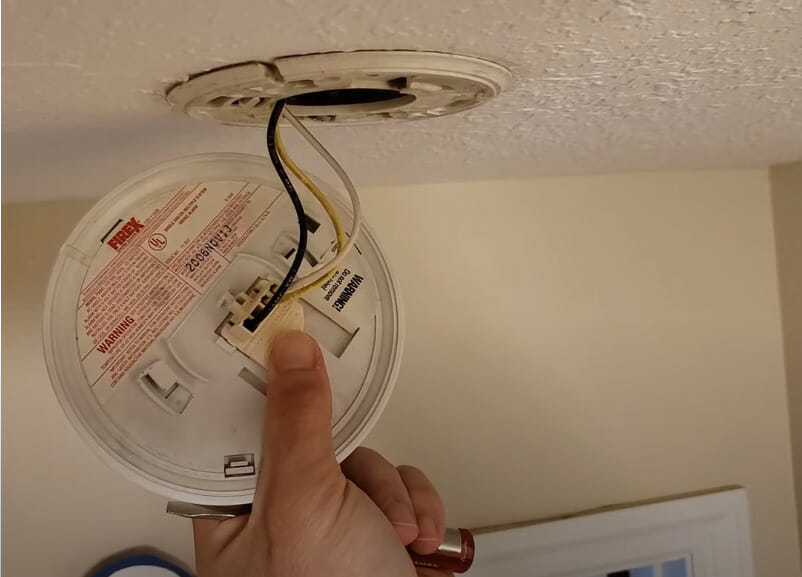
With the power officially cut, you can now approach the offending smoke alarm without fear of electrocution (or continued auditory assault). Most hardwired smoke alarms are designed to be easily twisted off their mounting bracket. Imagine you're opening a stubborn jar – a firm counter-clockwise twist should release the unit from its base.
![[6 Easy Ways] - How To Turn Off Hard Wired Smoke Alarm?](https://www.extraalarm.org/wp-content/uploads/2021/11/How-to-Turn-off-Hard-Wired-Smoke-Alarm.jpg)
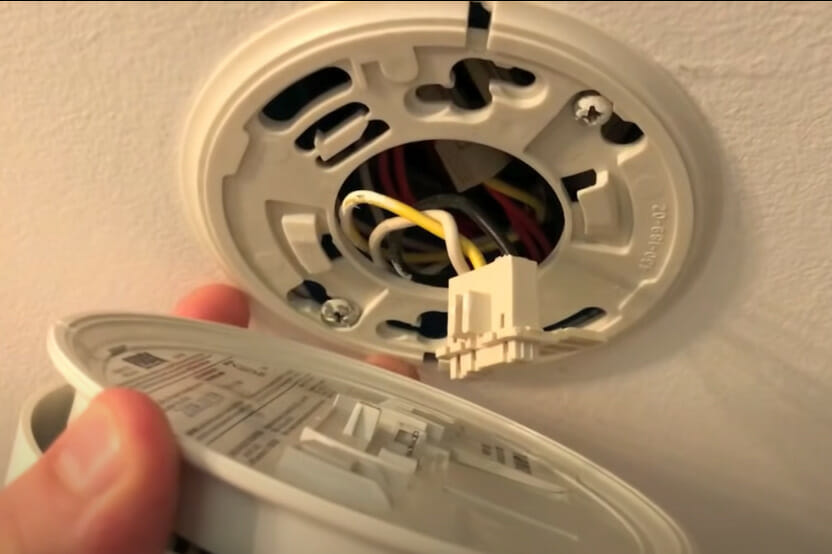
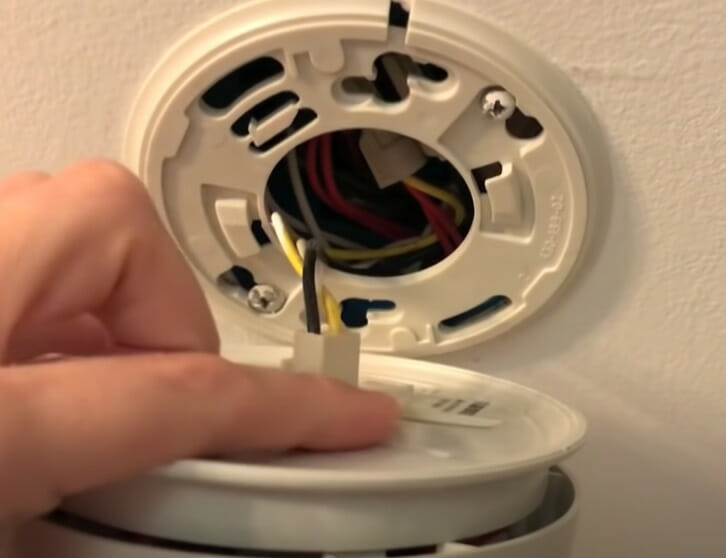
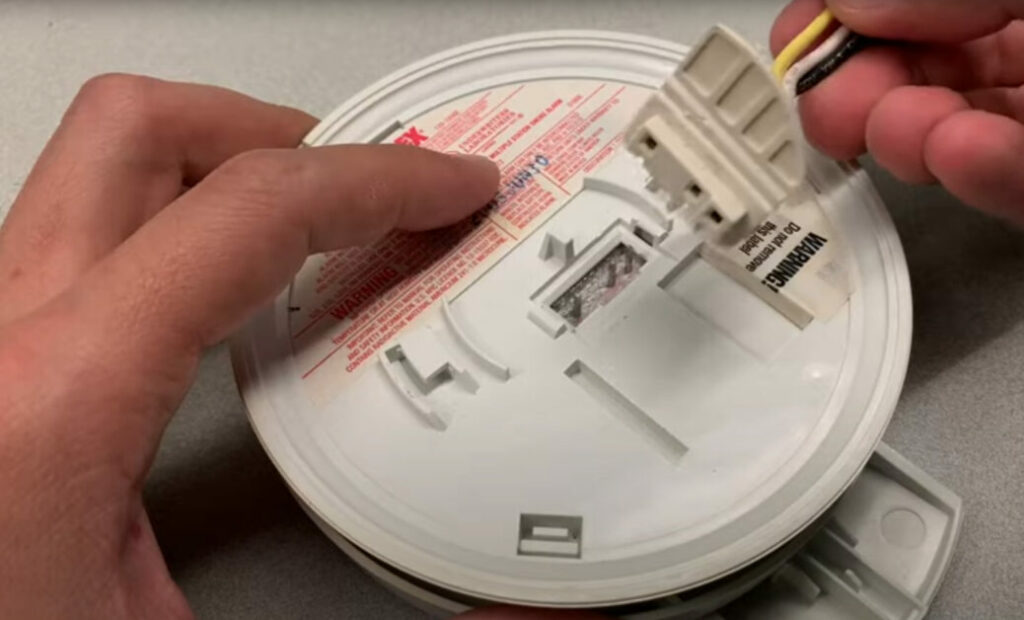
Once it's free, you'll see a small bundle of wires connected to the back of the alarm via a quick-disconnect plug, often called a wire harness. It's usually a plastic plug with three wires (black, white, and red/orange). Gently squeeze the sides of the plug and pull it apart. It’s like unplugging a particularly stubborn phone charger. Ah, the sweet relief! That silence is truly golden, isn't it?
Now, if the alarm simply needed a good cleaning (dust is a common villain), you can carefully clean it out and reconnect it, then restore power at the breaker. However, if it’s an older unit or truly faulty, this is your cue to replace it. Just remember to grab a compatible model – sometimes newer alarms won't play nice with older wiring harnesses. When in doubt, always consult an electrician. There's no shame in calling in a pro to deal with a persistent beeping menace.
So there you have it. You've faced down the beeping beast, navigated the labyrinth of your circuit breaker, and emerged victorious. Your home is quiet once more, and you can finally resume your regularly scheduled programming – or, you know, go back to sleep. You've earned it.