How To Tell When Septic Tank Is Full

Okay, let's talk about something that might not sound like the most glamorous topic, but trust me, it's one of the most useful and ultimately satisfying pieces of homeowner knowledge you can acquire: understanding your septic tank. Why is it fun or popular? Because knowing how to spot the signs of a full septic tank gives you a secret superpower – the ability to prevent a costly, messy, and frankly, quite smelly disaster! It’s all about being proactive, staying ahead of the curve, and keeping your home’s unseen systems running smoothly. Think of it as developing an intuitive sixth sense for your plumbing!
This knowledge isn't just for seasoned pros; it offers incredible benefits for everyone. For beginners or new homeowners, understanding these signs is absolutely essential. It’s part of your homeownership 101, empowering you to avoid major headaches and unexpected expenses right from the start. For families, a well-maintained septic system means a healthy, functional household. No one wants backed-up toilets or a stinky yard when guests are coming over, or worse, when you're trying to get the kids ready for school. And even for the hobbyists and DIY enthusiasts, while you might not be digging up your yard, diagnosing potential issues early means you can make informed decisions, call the right professional at the right time, and save yourself from more complex repairs down the line. It's all about mastering your home environment!
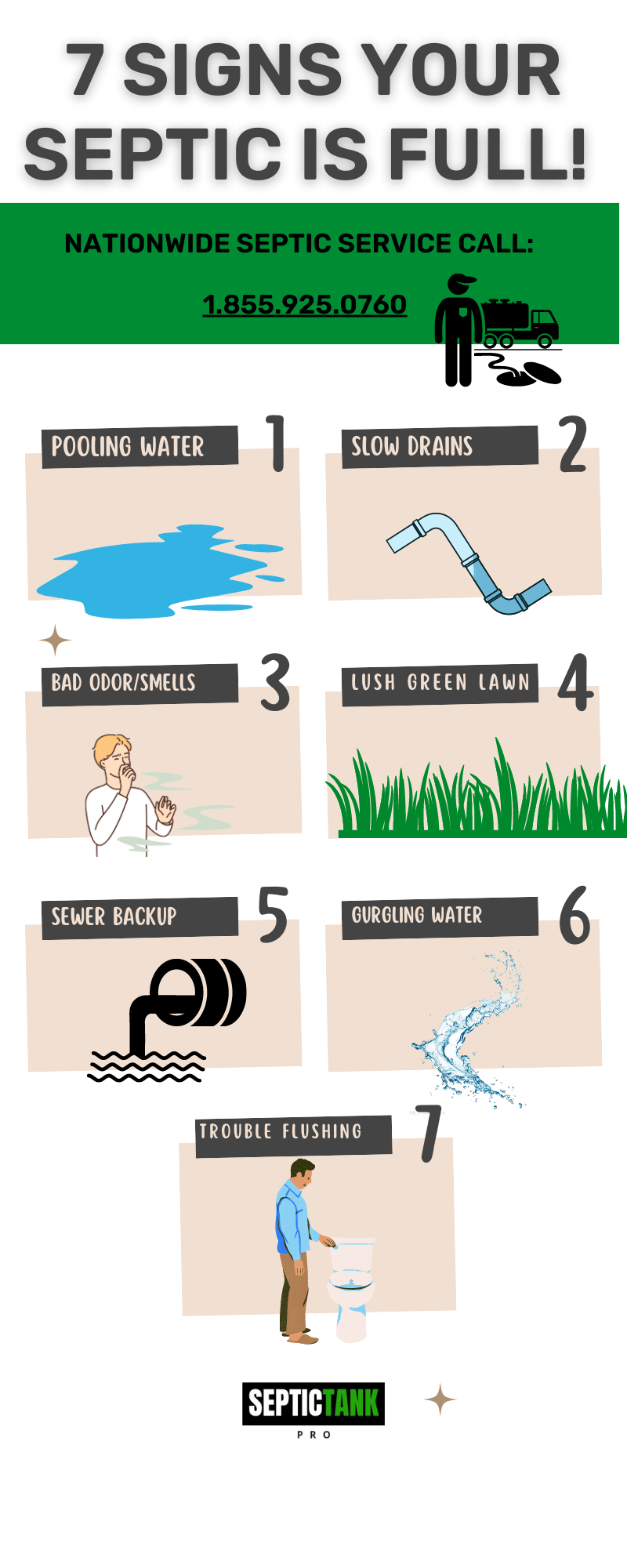
So, how do you actually tell when your septic tank is getting too full? There are several tell-tale signs, and knowing them is half the battle. One of the most common early warnings is slow drains. If your toilets aren't flushing as quickly as they used to, or your sinks and showers seem to take forever to drain, pay attention! Another classic indicator is gurgling noises coming from your pipes, especially after flushing a toilet or using a sink. This can indicate air struggling to escape a blocked system. Of course, the most obvious (and least desirable) sign is sewage backup into your drains, which definitely means you've waited too long! You might also notice unpleasant odors around your drains inside the house, or even outside near your septic tank or drain field. Finally, keep an eye on your yard: pooling water over the drain field or unusually lush, green grass in that area can be a sign that effluent is surfacing instead of properly draining away.
Must Read
Ready to put on your detective hat? Here are some simple, practical tips to get started. First, be observant of your daily plumbing use. Do things seem slower than usual? Second, listen to your pipes; gurgles aren't always harmless. Third, take a stroll around your yard periodically, especially near your drain field. Look for any unusual damp spots or overly green patches. Most importantly, don't ignore strange smells! If something smells "off," investigate. Beyond observation, remember that regular septic pumping (typically every 3-5 years, depending on household size and tank volume) is your best preventive measure. And always be mindful of what goes down your drains – avoid harsh chemicals, excessive grease, and non-biodegradable items.
In the end, learning these simple signs isn't about dreading your septic tank; it's about gaining peace of mind. It's about feeling empowered, saving money, and maintaining a healthy, happy home. There’s a quiet satisfaction in knowing you’re on top of things, even the unglamorous ones. So go ahead, embrace your inner septic system guru – your wallet, and your nose, will thank you!