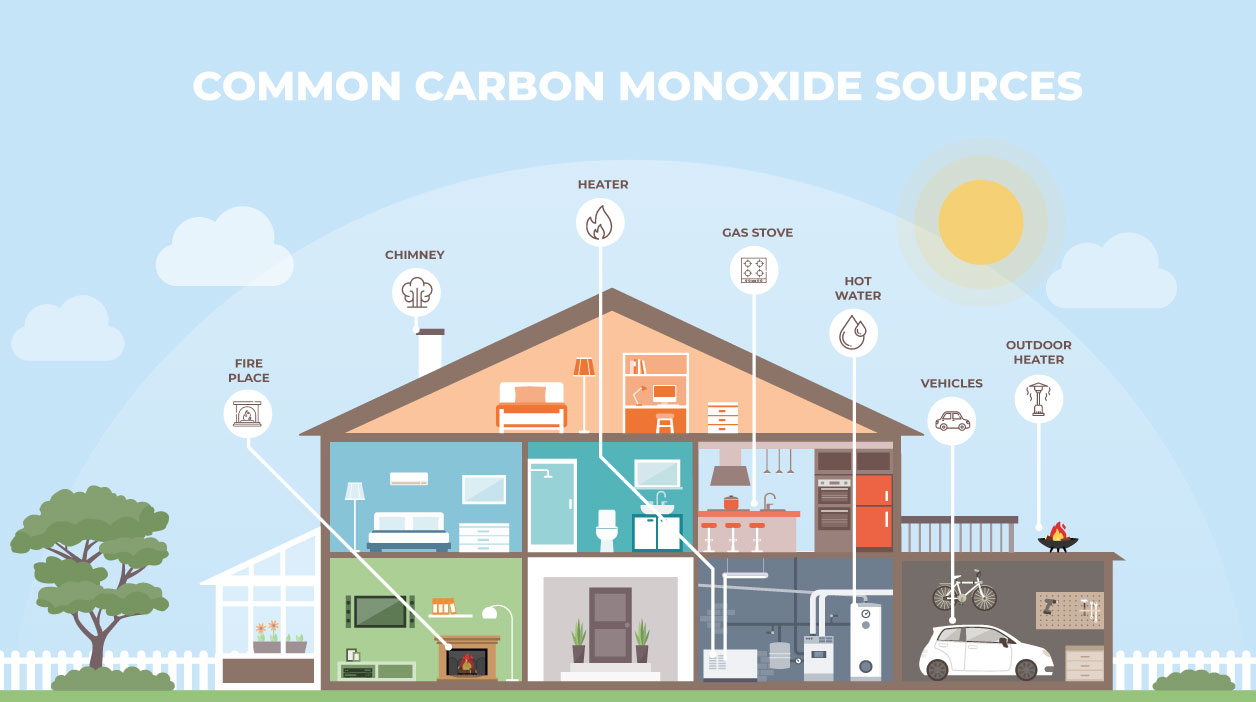
Okay, let's talk about something that might not sound like the most exciting topic on the planet, but trust me, it's one of the most useful and potentially life-saving bits of knowledge you can carry around: understanding carbon monoxide (CO) poisoning. Think of it less like a dry health lecture and more like gaining a secret superpower for home safety. It's incredibly empowering to know how to spot an invisible threat, turning potential panic into confident action. We all love feeling prepared, right? Well, this is about being prepared for something truly important, giving you and your loved ones an extra layer of peace of mind.
So, who benefits most from this fantastic insight? Pretty much everyone! For beginners, perhaps someone just moving into their first apartment or home, learning these signs is a fundamental step in setting up a safe living space. It’s part of adulting 101. For families, this knowledge is invaluable. Being able to recognize symptoms means you can protect your children, elderly relatives, and even pets, who are often more vulnerable to CO. You become the vigilant guardian. And for hobbyists – think campers using portable generators, DIY enthusiasts in a garage with fuel-burning tools, or even backyard grill masters – understanding CO poisoning helps you stay safe while pursuing your passions. It’s about enjoying your activities without unnecessary risks.
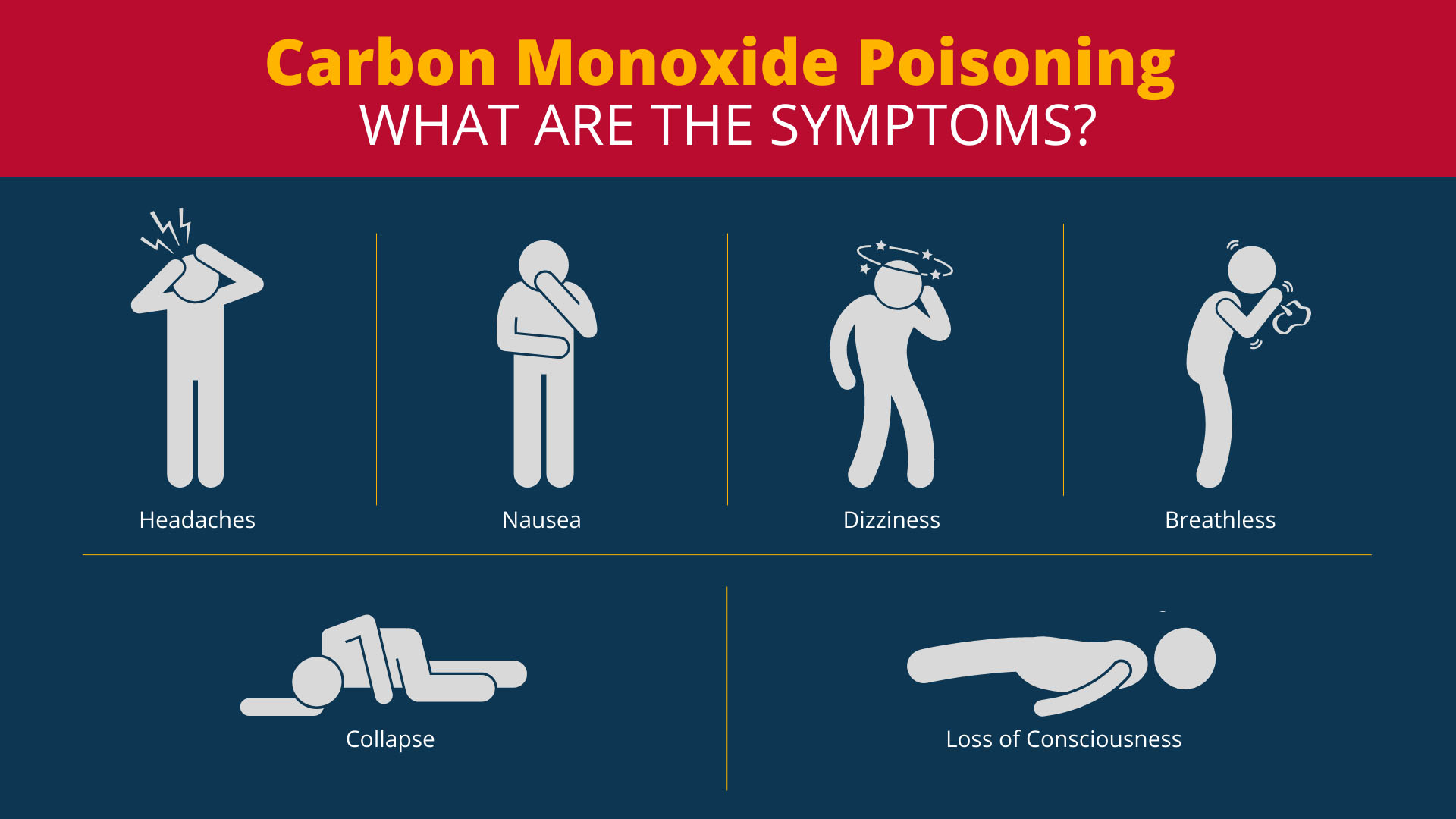
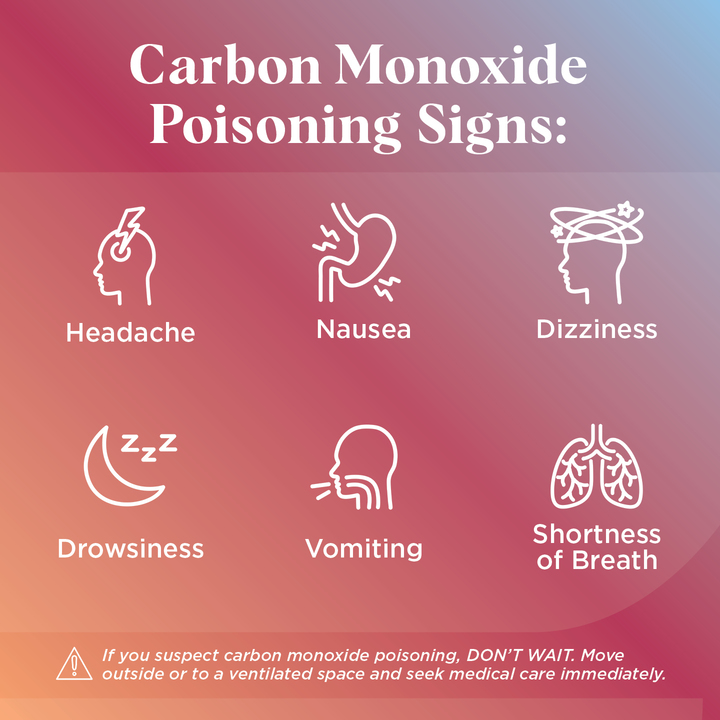
The tricky part about carbon monoxide is that it's often called the "silent killer" because it's colorless, odorless, and tasteless. This means you can't see, smell, or taste it, making its symptoms crucial to recognize. The signs can often mimic common illnesses, which is where things get really dangerous. Early symptoms often include a dull headache, dizziness, nausea, and vomiting. You might feel weak, confused, or experience blurred vision. Imagine feeling like you have a bad flu or food poisoning – that's what CO poisoning can feel like initially. A key indicator is if these symptoms tend to improve when you go outside and worsen when you come back indoors. Also, if multiple people or even pets in the same environment start feeling unwell simultaneously, it's a huge red flag.
So, what are the simple, practical tips for getting started and staying safe? First and foremost, if you or anyone in your household starts experiencing these symptoms, especially if they seem to clear up when you're outdoors, your immediate priority is to get fresh air. Evacuate everyone from the building and call 911 (or your local emergency number) right away. Do not go back inside until emergency services have deemed it safe. Secondly, prevention is truly your best friend here: install carbon monoxide detectors. Treat them like smoke detectors – put them on every level of your home, especially near sleeping areas. Test them regularly, just like you would your smoke alarms. These devices are your invisible guardians, providing an early warning system you can't live without.
While discussing invisible poisons might not be your idea of a "fun" chat, the enjoyment and value come from the incredible sense of security and preparedness it brings. Mastering this knowledge isn't just about avoiding a serious health risk; it's about empowering yourself and your family with the tools to live safely and confidently in your own home and beyond. It’s a quiet strength, a superpower for peace of mind, and definitely a skill worth having in your everyday toolkit!

:max_bytes(150000):strip_icc()/carbon-monoxide-poisoning-3885555_final-4f1e13cc579241aeaee6df0d8d24eb8b.png)