How To Tell If You Have A Propane Leak
Ah, propane! It’s the unsung hero behind so many of our favorite things, isn't it? From those epic backyard barbecues where you’re crowned grill master, to cozy patio heaters extending those lovely cool evenings, or even keeping your RV toasty on a chilly adventure. It’s super handy, super efficient, and generally, super safe. But, like any good friend, it’s got a little secret: it needs a bit of attention to make sure everything’s hunky-dory. And that’s where knowing how to spot a propane leak comes in handy, like having a superpower for peace of mind!
Most of the time, you don't even think about it. You just light the grill, turn on the heater, and boom – magic happens. But what if that magic decided to take a little uninvited detour? Don't worry, it's not a scary monster under the bed. It's usually pretty easy to spot, if you know what you're looking (and smelling, and listening!) for. Let's dive into your everyday guide to becoming a propane safety detective.
The Nose Knows: Your Superpower for Sniffing Out Trouble
This is probably the most important and easiest way to tell if you have a propane leak. Here's the cool part: propane itself is naturally odorless. Yep, totally scent-free, like fresh air. So, to make sure you can tell if it's escaping, propane companies add a special ingredient called ethyl mercaptan. Think of it as propane's very own, unmistakable alarm bell.
Must Read
And what does this alarm bell smell like? Picture this: you've just opened a carton of milk that's been in the fridge a week too long. Or maybe you've encountered a skunk (from a safe distance, hopefully!). That's the vibe. It's often described as a strong, unpleasant smell akin to rotten eggs, sulfur, or a dead animal. It’s a smell that screams, "Hey! Something's not right over here!"
Even a faint whiff should get your internal alarms ringing. Don't ignore it, even if you think it might just be your neighbor's questionable cooking or a stray skunk. Your nose is a powerful tool here, and it's better to investigate than to dismiss. Remember, if you catch a whiff, it’s your first and best clue that something needs attention. Trust your gut (and your nose!).
Give it the Ole' Eyeball Test
Sometimes, your eyes can catch what your nose might miss, especially if it’s a bigger leak or in a very windy area. While less common than the smell, there are a couple of visual cues you can look for.
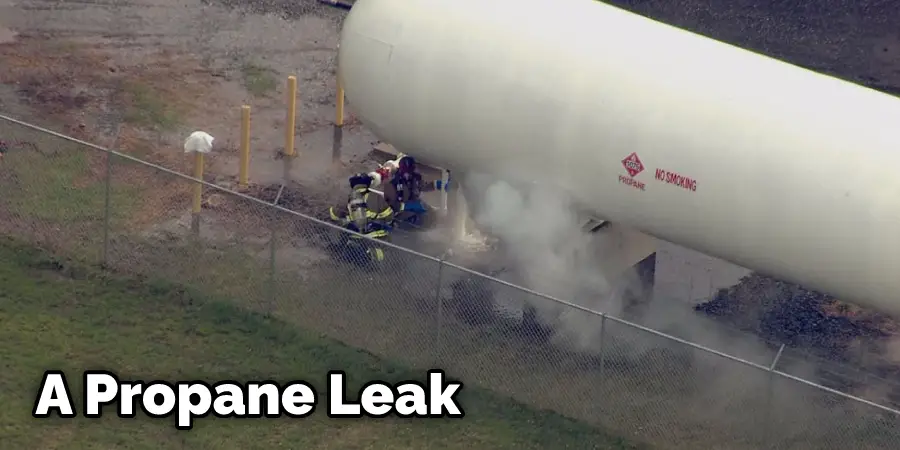
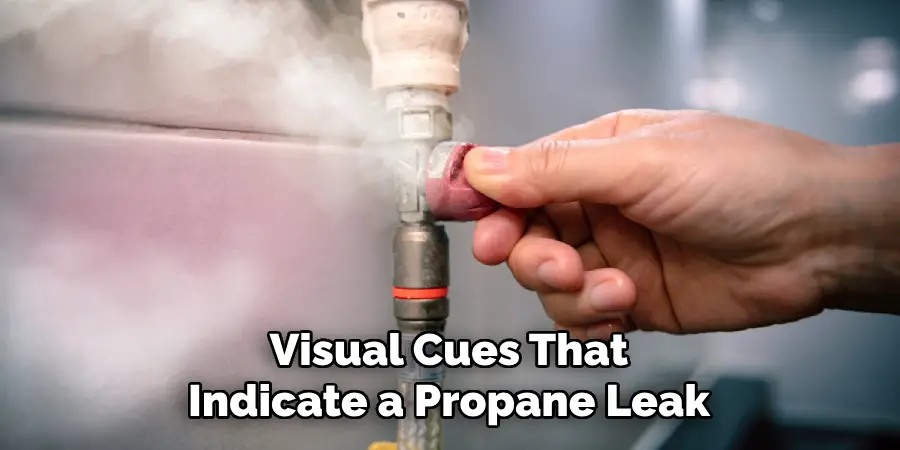
First, keep an eye out for frost or a white mist forming on the outside of your propane tank or its fittings. Propane, when it leaks, expands rapidly and gets very cold, like when you spray an aerosol can and it feels icy. So, if you see what looks like a tiny winter wonderland developing on your tank in the middle of summer, that’s a pretty good indicator that gas is escaping and cooling everything down around it.
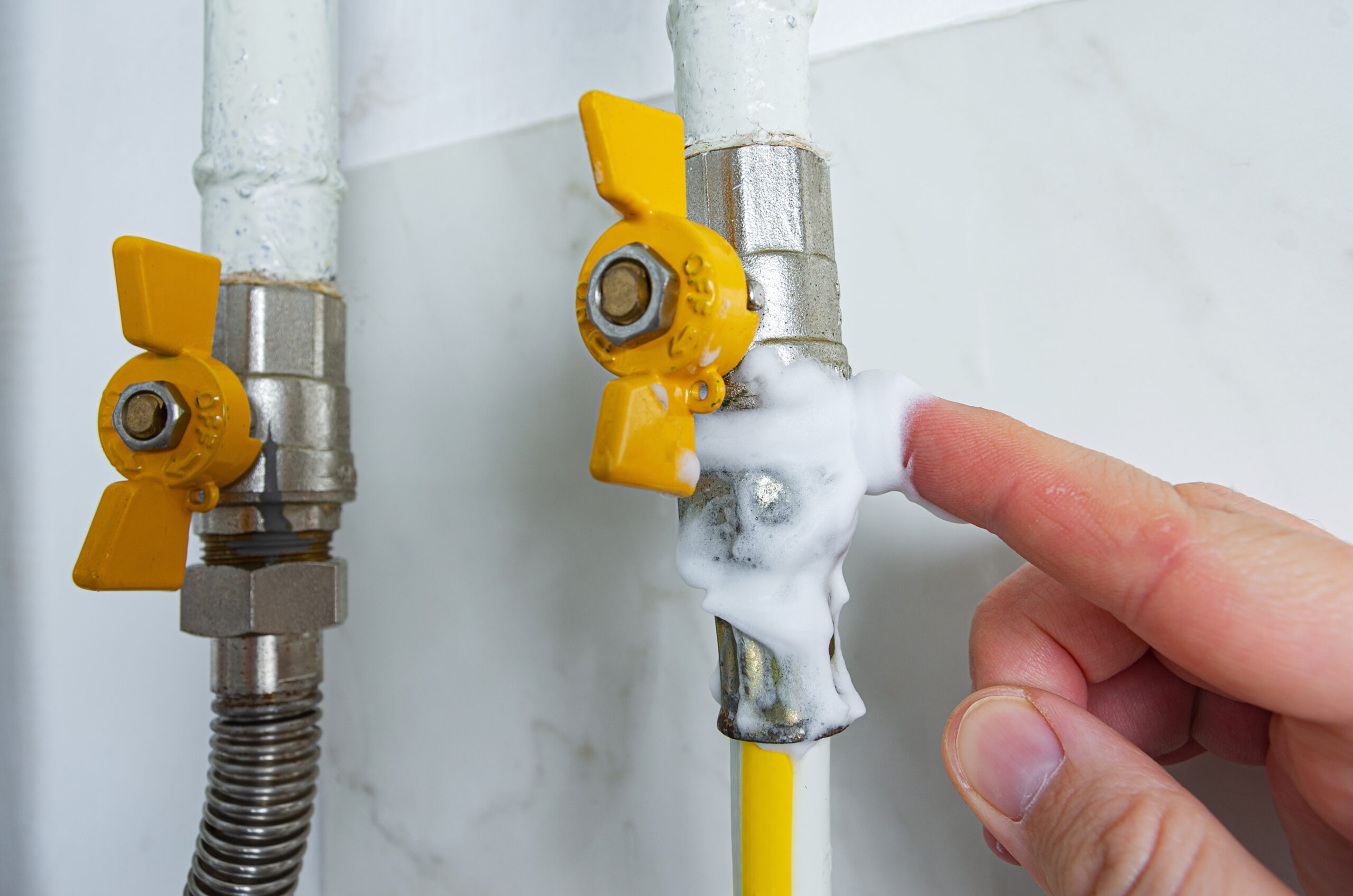
Another classic visual test, especially for smaller connections like on your grill or stove, is the good old soap bubble test. Mix up some dish soap and water until it's super sudsy. Then, with the gas on (but no flame!), brush or spray the soapy mixture over the connections, hoses, and valves. If you see bubbles forming and growing, like a mini bubble machine, you've found your leak! It's kind of like finding a slow leak in a bicycle tire – simple, effective, and strangely satisfying when you pinpoint it.
Listen Up! What's That Hissing Sound?
Sometimes, especially with larger leaks, your ears can be the first to pick up on trouble. If you’re near your propane tank or lines and you hear a distinct, unusual hissing sound, like air escaping from a tire or a subtle whisper that just doesn't belong, it could be a sign of a leak. This sound is simply the propane rushing out of a crack or loose connection. It's a bit like when you're trying to keep a secret, but the information just has to get out. It's not always loud, but if you're paying attention, you'll notice an irregular sound that wasn't there before.
Okay, I Smell/See/Hear Something... Now What?!
Alright, so you've channeled your inner detective, and you've found a clue. Don't panic! The most important thing is to act calmly and quickly. Here’s your step-by-step guide:
- No Sparks, Please! This is absolutely critical. Do NOT turn on or off any light switches, electrical appliances, or even your car if it's parked nearby. Don't use your phone inside the area. A tiny spark could ignite the propane. Think of it like a slumber party where you don't want to wake anyone up – be quiet and still.
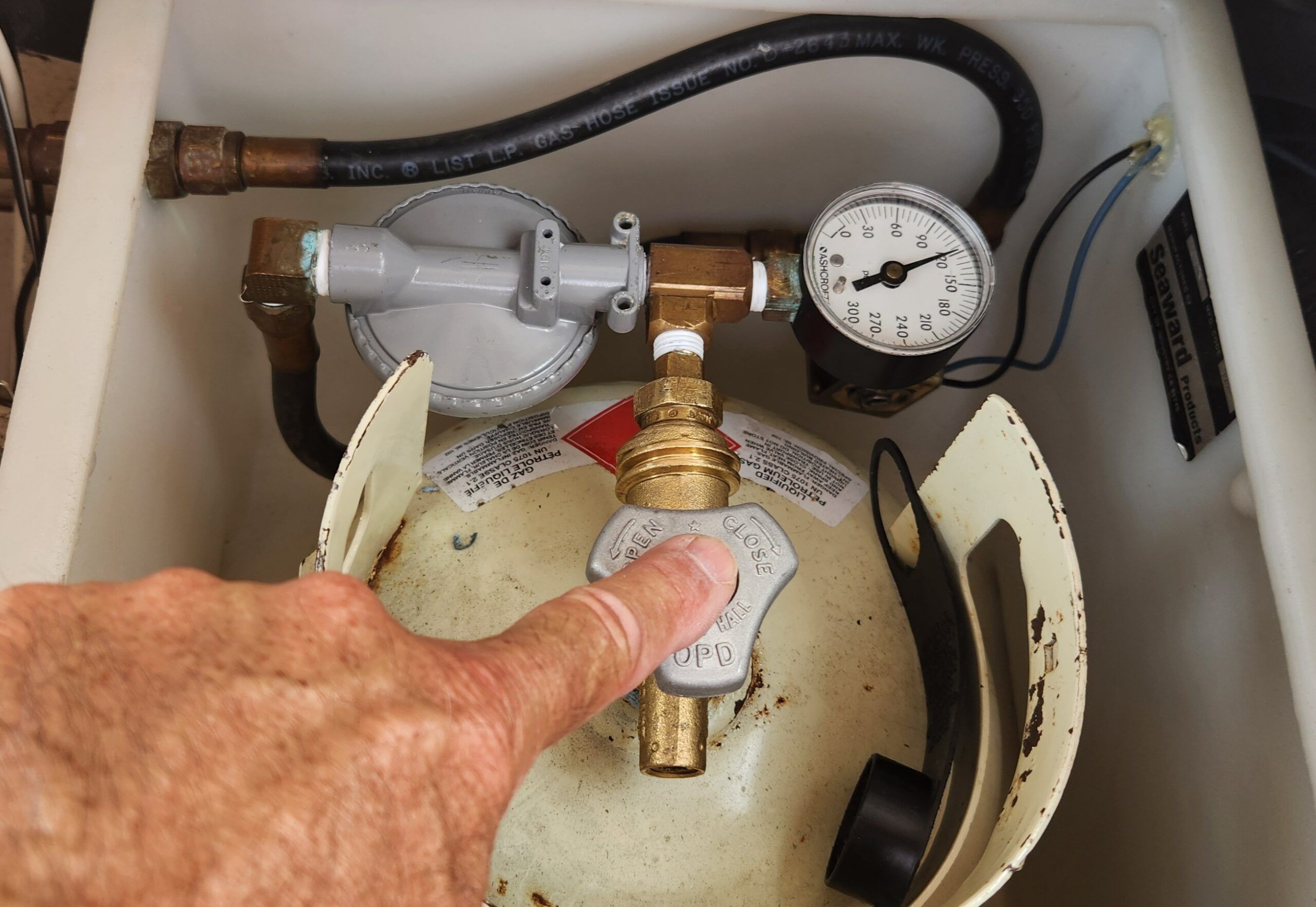
- Turn Off the Gas. If it's safe to do so, immediately turn off the main gas supply valve on your propane tank. This is usually a knob you can turn clockwise.
- Get Out! Evacuate everyone from the area, including pets. Get a safe distance away from the leak.
- Call for Help. Once you're in a safe spot, call your propane supplier or the fire department (911). They are the experts, and they know exactly what to do to handle the situation safely.
Why Bother? A Little Prevention Goes a Long Way
You might be thinking, "This all sounds a bit serious for my lovely grill!" And you're right, it's about being prepared, not being paranoid. Knowing these simple signs and what to do isn't about scaring you; it's about empowering you. It’s about keeping those marshmallow-roasting sessions going strong, ensuring your patio remains the ultimate chill-out zone, and making sure your RV adventures are filled with happy memories, not unexpected surprises.
Being able to quickly identify and react to a propane leak protects your home, your property, and most importantly, your loved ones. It's like wearing a seatbelt – you hope you never need it, but you're sure glad it's there. So, next time you fire up the grill or switch on the heater, give a little nod to your nose, eyes, and ears. They're your frontline defense in keeping everything safe and sound. Happy grilling, happy heating, and happy, safe living!