How To Tell If Nike Dunks Are Fake

Let's be honest, who doesn't love a fresh pair of Nike Dunks? They're iconic, versatile, and a serious statement piece. From the OG colorways that scream vintage cool to the limited edition drops that set the sneaker world ablaze, Dunks have a timeless appeal that transcends trends. Maybe you rock them at the skatepark, maybe you pair them with your favorite jeans for a casual Friday look, or maybe you're just a collector admiring them from afar. Whatever your reason, the allure of the Dunk is undeniable.
But with popularity comes...well, problems. And in the world of sneakers, that problem is almost always counterfeit goods. Figuring out if your potential pair of Dunks are the real deal is like becoming a sneaker detective, and frankly, it's a valuable skill. Why? Because knowing you're buying authentic products is about more than just flexing. It's about supporting the designers and brands you admire, ensuring quality and durability, and avoiding the disappointment of a quickly-falling-apart imitation. Think of it as an investment in your style and peace of mind.
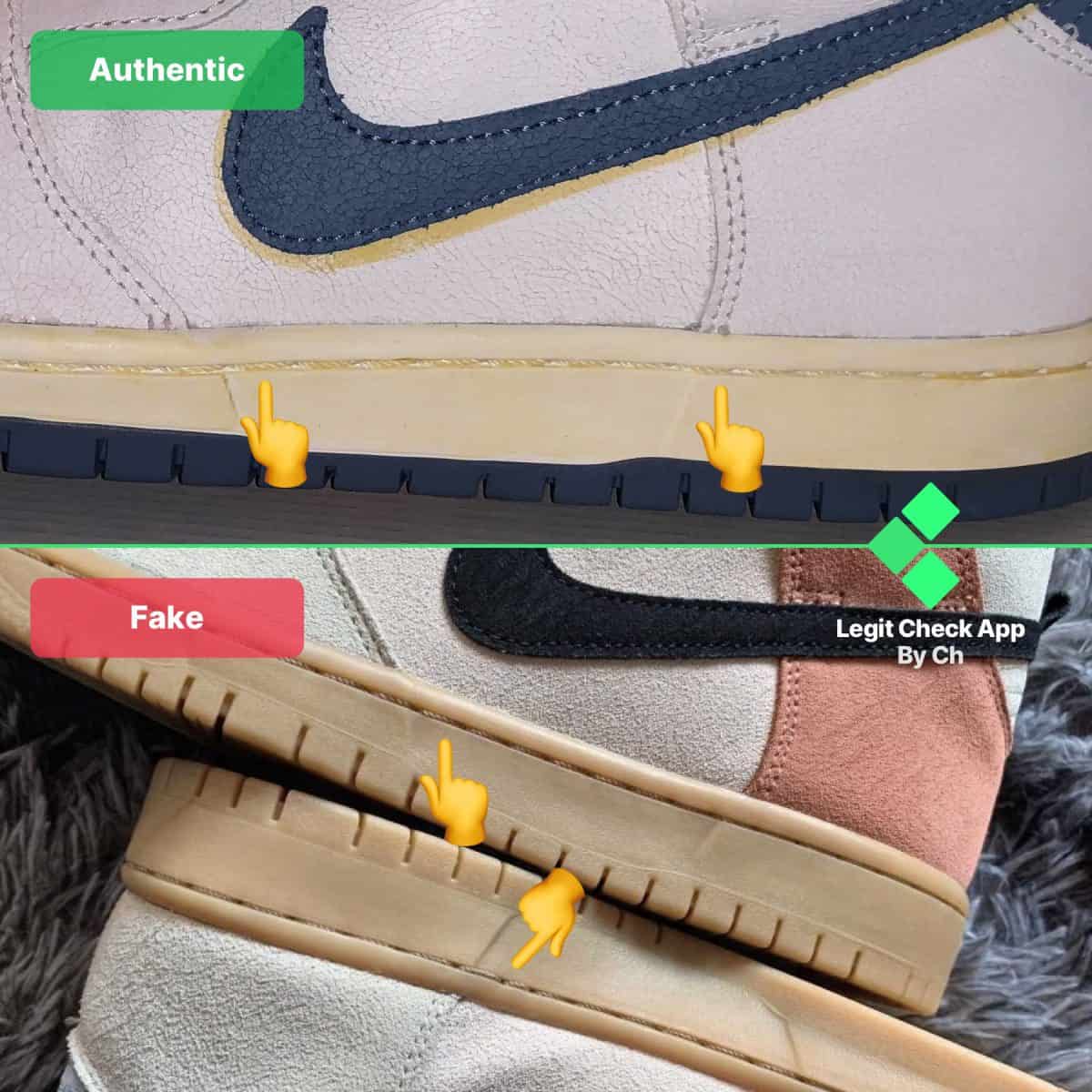
So, how do you spot a fake Dunk? Here's where the fun begins. There's no single magic bullet, but a combination of checks is your best weapon. First, give the stitching a close look. Authentic Nikes are known for their meticulous craftsmanship. Sloppy, uneven, or loose stitching is a major red flag. Counterfeiters often cut corners here.
Must Read
Next, examine the materials. Real Dunks use high-quality leather and suede. Feel the texture; does it feel cheap or synthetic? Look at the color. Are the hues vibrant and consistent, or are they dull and slightly off? Fake materials often lack the richness and depth of the genuine article.
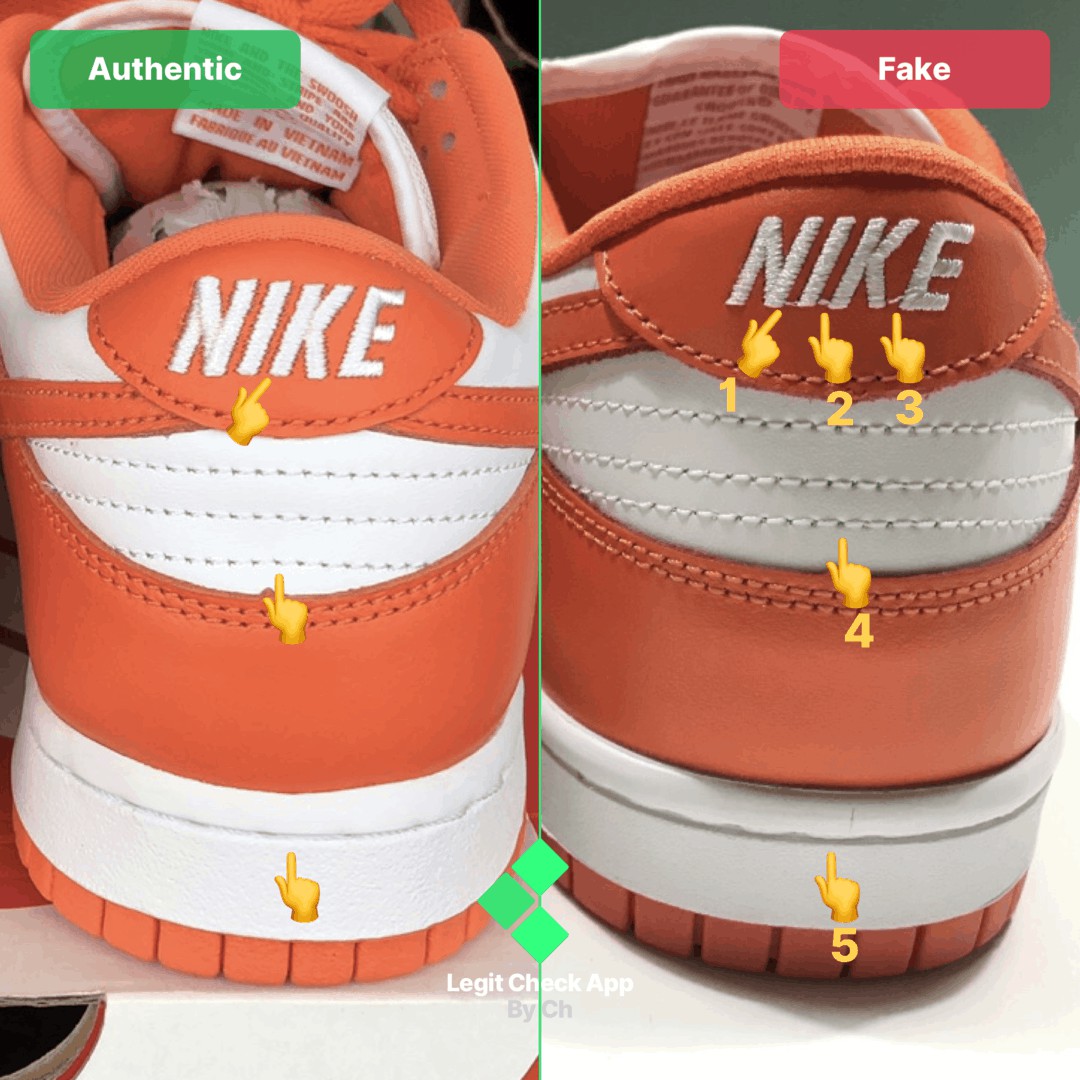
Don't forget the details. The Nike logo, the Swoosh placement, the font used on the size tag – these are all areas where fakes frequently stumble. Compare your pair to pictures of authentic Dunks online. Pay close attention to the shape of the Swoosh, the spacing between letters, and the overall clarity of the branding. Even a subtle difference can be a telltale sign.
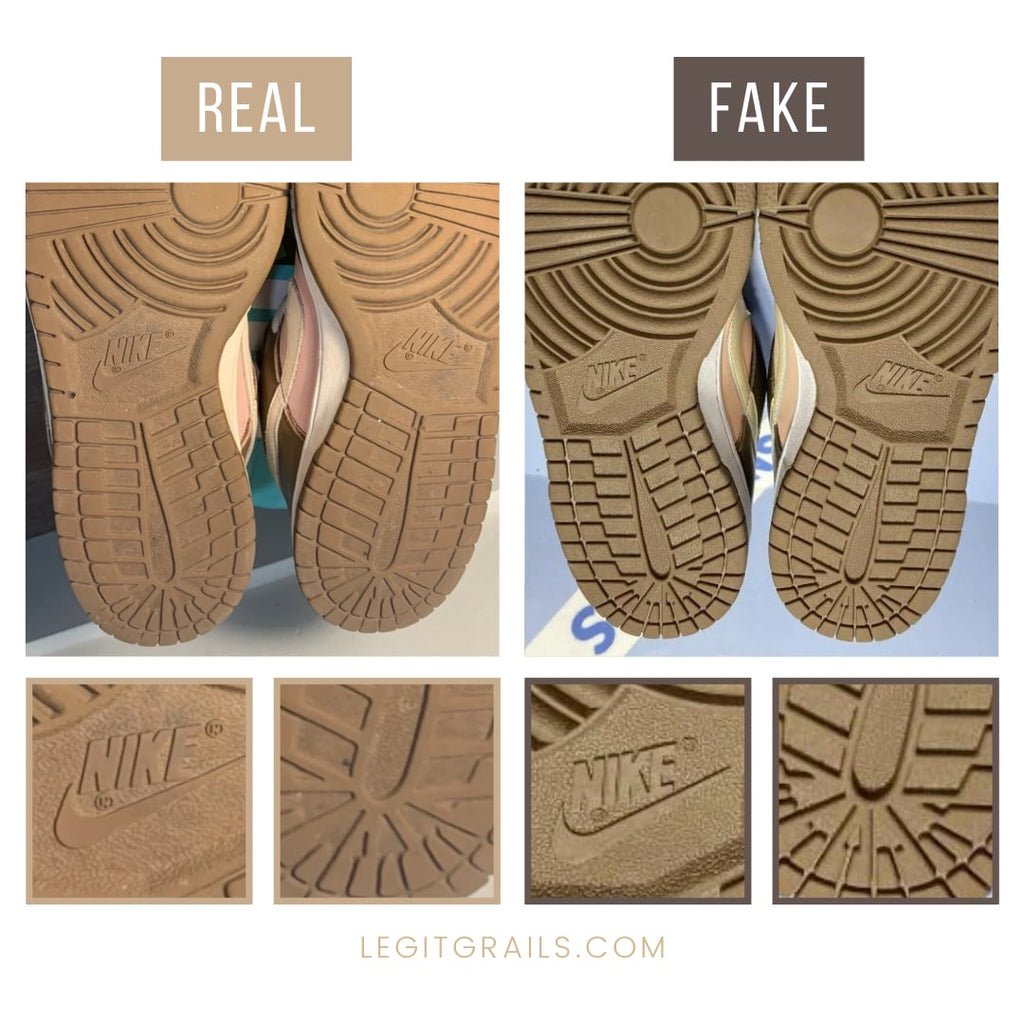
The sole is another crucial area. Check the grip pattern, the firmness of the rubber, and the overall construction. Fake Dunks often have soles that feel flimsy or have a different texture than the real thing. Also, examine the insole. Is it comfortable and well-made, or thin and poorly constructed?

And finally, consider the packaging and the seller. Does the box look authentic? Does it have the correct label and information? Is the seller reputable? Buying from authorized retailers or trusted resale platforms significantly reduces your risk of encountering fakes. If a deal seems too good to be true, it probably is. Always do your research and trust your gut.
To enjoy the detective work more effectively, create a checklist and have a reference point readily available. That reference point could be an authentic pair that you already own or high-quality photos and videos of authentic versions. Join online communities dedicated to sneaker authentication. Experienced collectors can often spot fakes with ease and are happy to share their knowledge. With a little practice and attention to detail, you'll become a Dunk authentication pro in no time, confidently rocking your kicks knowing they're the real deal. Remember, the thrill isn't just about owning the shoes, it's about the journey to authenticating them too!