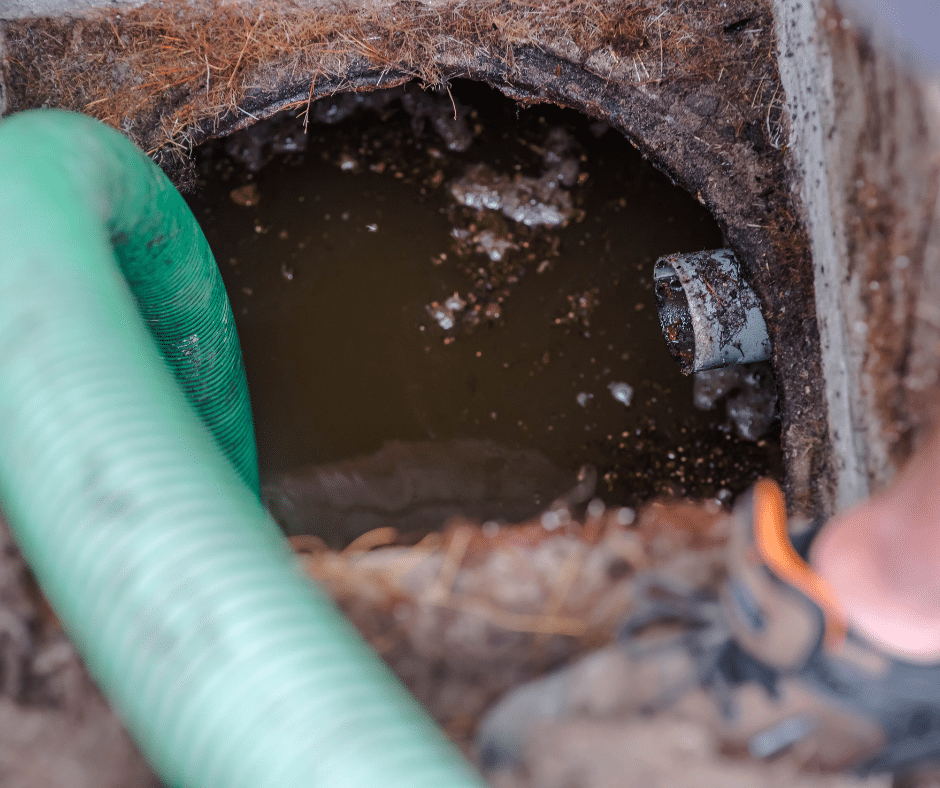
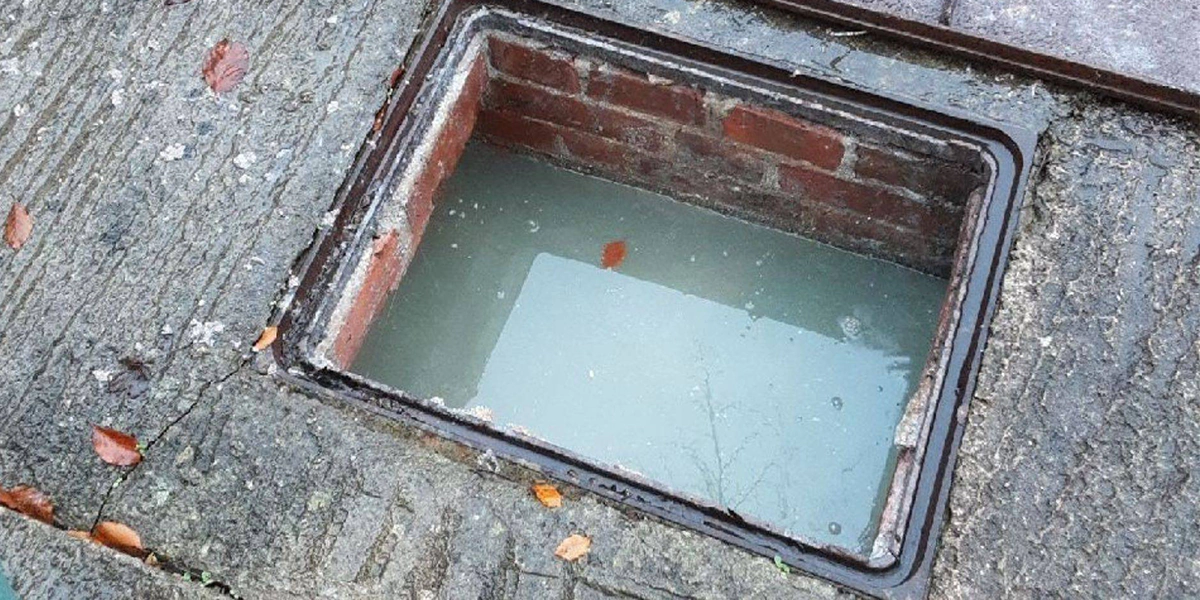
Ever wonder about that mysterious beast lurking beneath your lawn? No, not a mole. We're talking about your septic tank, the unsung hero (or sudden villain) of your home's waste system.
It’s one of those things you don't think about until... well, until you really have to. By then, it's often sending a very clear, very pungent message. So, how do you tell if this silent partner is about to throw a tantrum?
Forget the fancy dipsticks and complex calculations. My "unpopular" opinion is far simpler. You don't need a wastewater engineering degree. You just need your eyes, your nose, and a healthy dose of common sense.
The septic tank usually tells you it's full in the most dramatic, undeniable way possible. It practically sends a personalized, overwhelming invitation to its overloaded party. And trust me, it’s not a party you want to attend.
The Obvious (and Often Gross) Signs
The Slow-Motion Drain Saga
Picture this: you’re showering, enjoying the warm water. Then you notice it. The water is pooling around your ankles, not draining like it should. This isn't just a minor inconvenience; it's your septic tank sending a tiny, polite-ish warning flare.
It’s like it’s saying, "Hey, buddy, I'm working hard, but I'm getting tired!" Perhaps your kitchen sink takes forever to empty. Or the toilet flushes... eventually. These are the early whispers before the shouting starts.
You might blame hair or too much pasta. But if multiple drains are acting sluggish, it's time to connect the dots. The clues are mounting, all pointing to the same underground culprit.
"When everything slows down, your septic tank is probably telling you it's time for a pump-out. No amount of plunging will fix this bigger issue."
It's like a traffic jam inside your pipes, and your septic tank is the bottleneck. Everything is backing up, literally and figuratively. Don't ignore these persistent hints; they are getting louder.
The Gurgling Monster in the Bowl
Have you ever flushed the toilet and heard a sound that wasn't quite right? Not the usual whoosh, but more of a groan, a bubbling, or even a deep, unsettling gurgle?
This isn't your house settling or a ghost playing tricks. This is your septic tank letting out a frustrated sigh. It’s like it’s struggling desperately to catch its breath.
How to Tell if Your Septic Tank is Full: Quick and Easy Signs
That gurgle is often air being pushed back up the pipes because there's nowhere else for the water and air to go. The tank is simply too full to accept more incoming contributions.
It's a definite conversation starter, especially if it happens in the middle of the night. A truly memorable sound that screams, "Houston, we have a problem down here!"
If your toilet starts sounding like a swamp monster, it’s a pretty strong indicator. The septic system is clearly under immense duress, struggling with its overflowing workload.
The Unmistakable Odor
Now, this is where things get truly "unpopular opinion" obvious. If your septic tank is full, it's very, very good at letting you know through your sense of smell. It does not hold back.
We're talking about an aroma no air freshener can conquer. It's not just a faint whiff; it's a pungent, earthy, utterly unmistakable scent of raw sewage. You might notice it first near your drain field, or worse, it might waft inside your house.
When you start smelling something truly foul and persistent around drains or outside your home, don't try to rationalize it away. Your septic tank is practically shouting its distress from underground.
It’s a smell that tells a story, and that story is: "I am full, overloaded, and quite possibly overflowing!" Trust your nose; it’s rarely wrong about this particular, potent scent.
"Your nose is the most accurate, unfiltered septic tank sensor money can't buy. Embrace its honesty."
Is My Septic Tank Full? (5 Easy Ways to Tell) (March 2024)
This isn't a subtle hint; it's a full-blown olfactory alarm. Ignoring it is like ignoring a fire alarm – eventually, things will undoubtedly get much, much worse.
The Suspiciously Lush, Green Patch
This sign is almost… pretty? If you notice a particular patch of grass over your drain field that's inexplicably greener, taller, and much more luxuriant than the rest of your lawn, congratulations!
You might think, "Wow, I'm such a great gardener!" But alas, it’s not your green thumb. It's your septic system literally fertilizing that area with nutrient-rich wastewater, right from below.
This happens when the drain field is oversaturated, usually because the tank is too full, or the field itself is failing. It's liquid gold for grass, but a clear sign of impending trouble for you.
While not as immediate or gross as the smells, it’s a clear visual cue. Your septic system is experiencing an unscheduled, over-enthusiastic irrigation event. Don't let its beauty deceive you.
So, next time you admire that suspiciously vibrant square of turf, perhaps pause and consider its true, unglamorous origins. It's a beautiful warning, if ever there was one.
Puddles in Unexpected Places
Beyond just lush grass, you might find actual standing water. We're talking about soggy spots or visible puddles appearing on your lawn, especially near the septic tank access or drain field.
This isn't just a heavy dew or a surprise rain shower. This is the liquid from your overloaded septic system escaping to the surface, because it has nowhere else to go. The ground is completely saturated.
How to Tell If Your Septic Tank Is Full: A Brief Guide
It’s a clear indication that your system has reached its absolute limit. The ground beneath can no longer absorb the effluent, and it’s bubbling up for everyone to see (and smell).
Don’t mistake it for a leaky garden hose. If the water looks murky, feels squishy underfoot, and smells... well, septic, then you’ve got your answer. It's a blatant, unavoidable overflow.
This is beyond a hint; it's a full-on exclamation mark in your backyard. "My septic tank is full!" it screams, right there on your property. Step very carefully.
The Grand Finale: The Backup
And finally, the undeniable, the ultimate, the absolutely no-question-about-it sign: plumbing backups. This is when the system has given up entirely, and its internal struggle becomes your external problem.
You flush the toilet, and instead of going down, it comes angrily up. Or your shower drain becomes a geyser of wastewater. Or your washing machine floods the laundry room floor.
This is not a drill. This is your septic tank waving a very definitive white flag, or rather, a brown and messy one. It simply cannot take another drop. The pipes are completely jammed.
When this happens, you don't need to wonder anymore. You don't need to guess. Your septic tank has made its feelings abundantly and disgustingly clear, right there on your clean floors.
This is the moment when all those little hints – the slow drains, the gurgles, the smells – culminate into one unforgettable, utterly messy grand statement. It’s the septic system’s final, desperate word.
9 Signs of a Full Septic Tank | How to Tell When Your Septic Tank Needs
"When the toilet gives you a 'return to sender' package, your septic tank has officially declared itself spectacularly over capacity."
It's an experience you most certainly won't forget. And it’s your unequivocal, urgent signal to call in the professionals. Immediately. Seriously, do not procrastinate on this one.
The "Unpopular" Conclusion
So, there you have it. You don't need a specialized degree, or a fancy inspection tool, or even a particularly sensitive nose (though that certainly helps with earlier warnings).
The truth is, your septic tank will absolutely tell you when it's full. It will use a series of escalating, increasingly undeniable, and often rather unpleasant signals.
My unpopular opinion? Most people already intuitively know their septic tank is full long before they even call someone. They just need to finally acknowledge the clear, often stinky, evidence.
Listen to your home. Watch your drains with a critical eye. Trust your nose. If things are slowing down, gurgling ominously, smelling truly awful, or bubbling up from the ground, it’s unequivocally time to call the septic pros.
Don’t wait for the messy, dramatic grand finale. Be proactive and observant. Your nose, your wallet, and your perfectly dry, odor-free floors will undoubtedly thank you profusely.
After all, a little preventative maintenance (and acknowledging the obvious signs) goes a very long way in keeping that subterranean beast happy. Or at the very least, keeping it quiet and contained beneath your lovely lawn.