
How To Tell If Gas Is Leaking From Stove
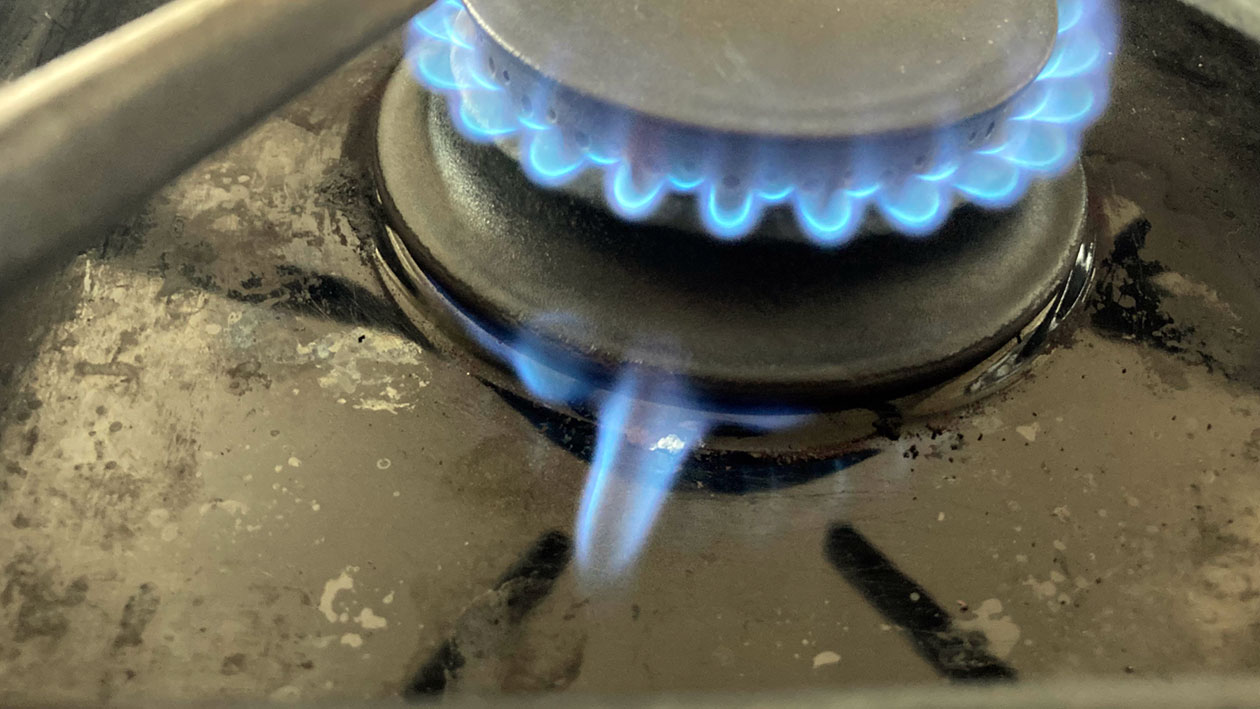
Alright, friend, let's talk about something that sounds a bit serious, but is actually kinda fascinating to know about: how to tell if gas is leaking from your stove. You might think, "Uh oh, that's not fun!" But hear me out. It's like being a kitchen detective, armed with your senses and a little bit of quirky science. Plus, knowing this stuff makes you instantly cooler. Trust me.
We're not diving into anything scary here, just empowering you with some super-sleuth skills. Because, let's face it, our stoves are pretty important. They cook our pizzas, heat our soups, and generally make our bellies happy. So, let's make sure they're doing it safely, in the most un-boring way possible.
Your Nose Knows: The Stinky Truth About Gas
First up, and probably the most famous gas leak detector of all time: your nose! Now, here’s a wild fact: natural gas itself? It’s actually odorless. Like, totally scent-free. Mind-blowing, right? It’s not some naturally stinky villain.
Must Read
So, why does everyone say gas smells like rotten eggs or sulfur? Enter our hero: a special additive called mercaptan. Seriously, mercaptan. Some clever folks decades ago were like, "Hey, maybe we should give this invisible, odorless gas a truly unmistakable stench." And thus, mercaptan was born! It's added to natural gas on purpose, just so you can sniff it out if there’s a problem. It’s like natural gas's very own personal, stinky alarm system. How brilliant is that?
So, if you get a whiff of something that screams "rotten eggs from a forgotten fridge in the Sahara desert," don't ignore it. That's your first, best, and arguably most important clue. Your nose is your superpower here.
Listen Up: The Hissing Sound of Trouble
Sometimes, your ears can be just as good as your nose. If you suspect a leak, try to listen closely. Really lean in (but not too close, you know, safety first!). Are you hearing a faint hissing sound near your stove or gas lines?
Picture this: a tiny, invisible stream of gas escaping through a crack or loose connection. It's like a whisper, but a really important whisper. It might sound like a tiny snake, or a very quiet bicycle tire going flat. If your kitchen suddenly sounds like a mini snake convention, that’s another strong indicator that something isn't quite right. It's time to channel your inner sound engineer and listen for those subtle acoustics.
The Bubble Test: Become a Kitchen Scientist!
Okay, this one is probably the most fun and visually satisfying. It's like a mini science experiment right in your kitchen! You'll need some dish soap and water. Mix them up in a little bowl or spray bottle until you have a nice, bubbly solution.
Now, gently apply this soapy mixture to the gas line connections at the back of your stove. Or any suspected leaky spot. What are you looking for? Bubbles! If gas is escaping, it will push through the soapy film, creating visible, growing bubbles. It’s like a tiny, involuntary bubble party. The bigger the leak, the faster and bigger the bubbles will get.
Isn't that neat? It's simple, effective, and makes you feel like a total genius. No fancy equipment needed, just good old soap and water. It’s a classic for a reason, and proof that sometimes, the simplest solutions are the best.

Your Body's Subtle Alarms: Feeling A Bit Off?
This isn't as quirky or fun, but it's super important to know. Gas leaks can sometimes cause physical symptoms. If you or others in the house start feeling unusually tired, dizzy, nauseous, or get unexplained headaches when you’re near the stove, but feel better when you go outside, that’s your body sending out a subtle distress signal.
It's important not to dismiss these feelings. Your body is incredibly clever and often tries to tell you when something’s amiss. Always pay attention to how you’re feeling. If you suspect these symptoms might be related to a gas leak, get everyone (and pets!) outside into fresh air immediately. Don't take chances with this one.
What NOT To Do (The Super Serious, But Quick Bit)
If you do suspect a leak based on any of these awesome detective skills, here's the quick and dirty "do NOT" list:

- Don't turn on or off any light switches or electrical appliances. A tiny spark could be a problem.
- Don't use your phone inside the house. Again, sparks! Get outside first.
- Don't try to find the source of the leak by lighting a match. Seriously, no open flames!
Instead, get everyone out, then call your gas company or emergency services from a safe distance. They are the pros, and they'll handle it.
You're a Gas-Leak Guru Now!
See? Knowing how to tell if gas is leaking from your stove isn't just about safety; it's about being observant, understanding a bit of chemistry (thanks, mercaptan!), and even having a mini bubble-making science experiment. You’ve now got a whole toolkit of senses ready to spring into action.
So next time you're in the kitchen, casually sniff the air, maybe listen for those tiny whispers, or even think about that soapy bubble test. You're not just cooking; you're also a vigilant, informed, and utterly prepared kitchen maestro. Go forth and cook safely, my friend!