Alright, let's talk about a real ninja of the airwaves, a sneaky, silent mischief-maker that loves to crash your party uninvited. I'm talking about carbon monoxide, or CO. This stuff is the ultimate hide-and-seek champion, and unfortunately, the stakes are a little higher than bragging rights. But fear not! We're here to arm you with the knowledge to outsmart this invisible trickster, all while keeping things light and lively!
The Sneaky Science: Why CO is Such a Mystery Guest
So, why is CO such a pain in the... air? Because it breaks all the rules of common sense! It doesn't smell like your neighbor's questionable cooking. It doesn't look like a mysterious green mist wafting through your living room. It doesn't even make a little 'boop' sound when it enters. Nope, CO is utterly, completely, and frustratingly odorless, colorless, and tasteless. It's like the air itself decided to play a prank on you, but without the punchline.
Imagine trying to spot an invisible cat in a dark room. That's essentially your natural senses trying to detect carbon monoxide. Spoiler alert: your senses are probably going to lose that particular game.
Your Home's Super-Sniffer: The Carbon Monoxide Detector!
Since our human super-senses are utterly useless against CO, we need a technological sidekick. Enter the glorious, beeping wonder: the carbon monoxide detector! This little gadget is your home's official CO detective, tirelessly sniffing out danger 24/7. It's like having a tiny, ever-vigilant bodyguard whose only job is to yell really, really loudly if CO decides to swing by unannounced.
Think of it: you wouldn't go hiking without a map, right? Well, living without a CO detector is like a mystery tour where the mystery might just be an unwanted guest. These detectors are affordable, easy to install, and the only reliable way to know if CO is lurking in your air.
What to Know about Carbon Monoxide | HB McClure Company
Your Body's "Uh-Oh" Signals: When Things Start to Get Weird
Now, while you should NEVER, EVER wait for these signs, it's good to know what your body might try to tell you if CO levels are getting high. Consider these your body's incredibly polite, yet urgent, "something's not right!" memos. They often mimic the flu, which is exactly why CO is so dangerous – you might just think you're having a bad day!
Watch Out For:
Headaches: Like a tiny, insistent drummer took up residence behind your eyeballs.
Dizziness/Weakness: The room starts doing a slow-motion disco dance without your permission, and your legs feel like jelly.
Nausea/Vomiting: Suddenly, that delicious pizza from last night doesn't seem so appealing.
Shortness of Breath: Feeling winded just walking to the fridge?
Confusion/Blurred Vision: Your brain feels like it's trying to solve a really complicated math problem.
Flu-like Symptoms: All of the above, but without the fever. The key here? If everyone in the house starts feeling similarly crummy at the same time, and especially if you feel better when you step outside, that's a HUGE red flag.
If you're asking yourself, "Did my brain spontaneously decide to host a tiny, chaotic jazz band?" it might be time to consider CO. But remember, by the time you're feeling these, CO has already set up shop!
Identifying Carbon Monoxide in Ambient Air - Carbon Monoxide Poisoning
CO Alarm Blaring? Don't Dilly-Dally!
So, what if your trusty CO detector starts screaming louder than a rockstar at a stadium concert? Don't stand there wondering if it's a prank! This isn't a drill! Your immediate action plan is simple and swift:
Get Out: Grab your people (and your pets, because they're family too!), and get outside. Like, now. Don't stop to grab your phone charger or check social media. Your lungs need fresh air.
Call for Help: Once you're safely outside, call 911 (or your local emergency number). Let the pros handle the mystery of where the CO came from.
Don't Go Back In: Resist the urge to pop back inside for just a sec. It's not worth the risk.
Be a CO-Smart Superhero: Prevention is Key!
You're now a CO-smart superhero! To keep your home a fortress of fresh air, remember:
Install CO Detectors: Place them on every level of your home, especially near sleeping areas. They're like mini smoke detectors' cooler, quieter cousins.
Check Batteries Regularly: Just like smoke detectors, these need fresh power! Test them monthly and change batteries annually, or as the manufacturer recommends.
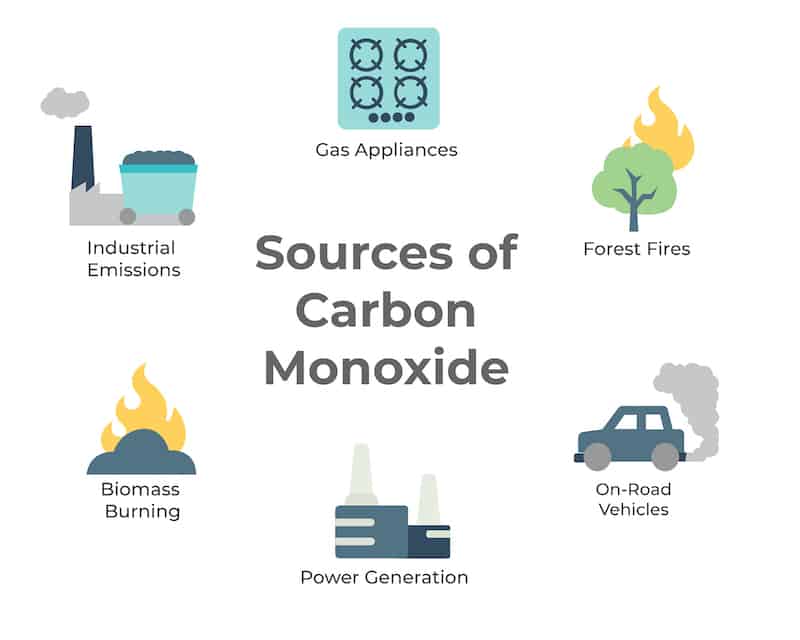
Know Your Sources: Things like furnaces, gas stoves, water heaters, and even cars running in an attached garage can produce CO. Ensure they're properly vented and maintained.
Being CO-smart isn't just about safety; it's about peace of mind. You've got this! Keep your home cozy, safe, and free from invisible ninjas. You're officially a CO-detection pro – and that's something to feel good about!