
How To Tell If A Septic Tank Is Full
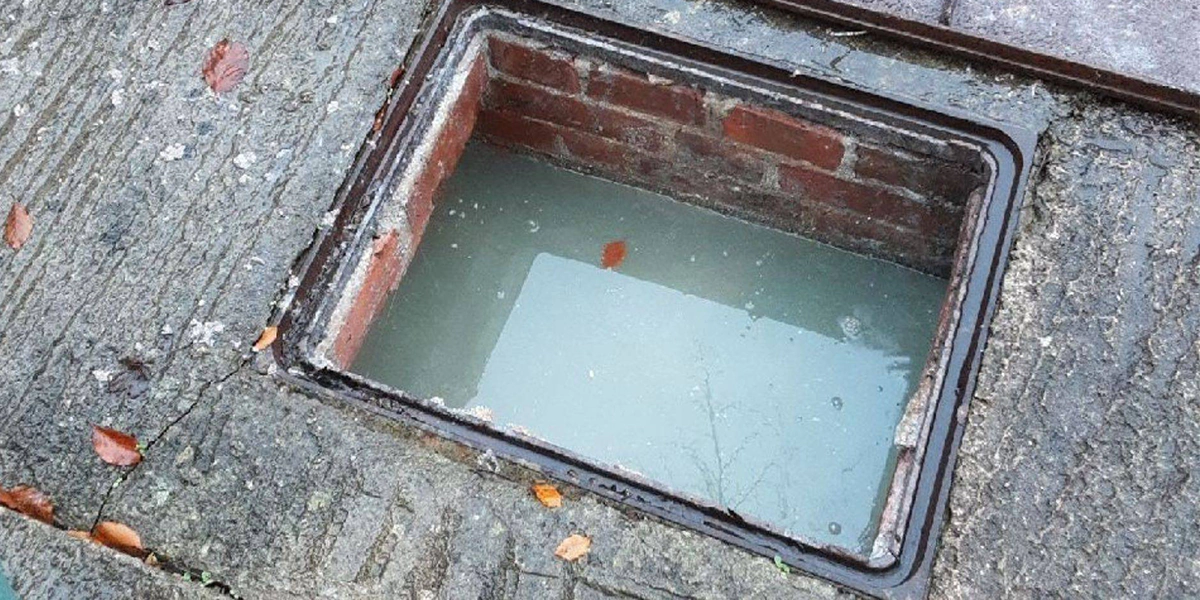
Ah, the septic tank. That mysterious, underground contraption that quietly (usually) handles all your household’s... business. It’s the unsung hero of many a rural home, toiling away out of sight, out of mind. Until, that is, it decides it’s had enough. And trust me, when a septic tank decides it’s full, it’s not shy about letting you know. It’s like a grumpy, subterranean houseguest that suddenly demands attention, often with a flair for the dramatic.
But how do you decipher its subtle (and not-so-subtle) cries for help? Fear not, my friend! Pull up a chair, grab a metaphorical (or actual) coffee, and let’s unravel the hilarious and sometimes horrifying signs that your septic tank is officially staging a plumbing protest.
The Subtle Nudges: When Your Septic Tank Is Just Thinking About Being Full
First up, we have the early warning signs. These are the whispers, the gentle taps on the shoulder from your tank, saying, “Hey, just so you know, I’m getting a bit snug in here.”
Must Read
Gurgling Drains: Listen closely. Do your sinks, showers, or even the toilet make an odd, sort of blub-blub-blub sound after you use them? It’s not just your pipes having a conversation; it’s your septic system struggling to push air through a nearly solid mass. Think of it as the plumbing equivalent of a grumpy bear waking up – it’s not happy, and it’s letting you know with some vocalizations.
Slow Drains, Everywhere: One slow drain might just be a clog. But if suddenly all your drains are moving at the pace of a sloth on tranquilizers, that’s a big red flag waving frantically. Your showers are turning into miniature foot baths, and doing the dishes feels like a test of patience. It’s a sign that the outgoing flow from your house is hitting a wall – or rather, a very full tank.
Mysterious Odors: This one is a bit more direct. If you start catching whiffs of what can only be described as... well, sewage... especially near your septic tank or drain field, take note. These aren’t pleasant wafts of freshly baked cookies. These are pungent, unmistakable declarations that something is amiss. Sometimes, if the issue is severe enough, these odors can even creep indoors. At that point, your tank is practically screaming its distress.
The "Oh No, It's Happening!" Moments: When Denial Is No Longer an Option
Okay, those were the gentle nudges. Now, let’s talk about the signs that transform your casual concern into a full-blown "Oh, crud, I need to call someone, like, yesterday!" panic.
Sewage Backups: This is the grand finale, the main event, the undisputed heavyweight champion of "your septic tank is full" indicators. If you flush the toilet and the contents decide they prefer the view from your bathtub or shower drain, congratulations! You’ve reached the apex of septic distress. This is your tank literally saying, “I cannot take one more drop! Here, you deal with it!” It’s gross, it’s inconvenient, and it’s the definitive proof that it’s pumping time.

Lush, Green Grass (Over Your Drain Field): This one is ironically beautiful. Is there a patch of grass in your yard, particularly over where your drain field is, that looks suspiciously greener, taller, and lusher than anywhere else? Like a small, septic-fueled botanical miracle? While your neighbors might envy your suspiciously verdant patch, it’s actually a sign that your drain field is oversaturated with effluent. Essentially, it’s getting a constant, nutrient-rich (and gross) feeding, and the grass is loving it. Your tank, however, is definitely not.
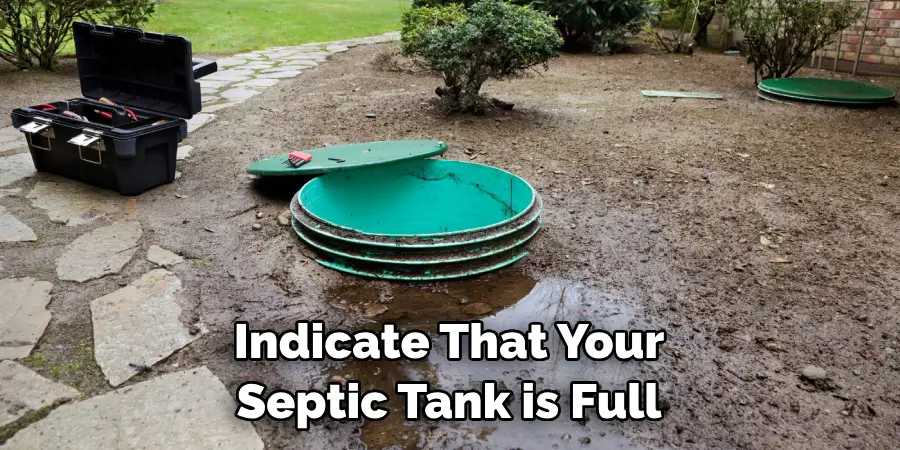
Standing Water or Wet Spots: If you notice puddles of water, or consistently soggy ground, appearing near your septic tank or drain field even during dry weather, that’s a problem. This isn't just a friendly swamp in your backyard; it’s a sign that the septic system can no longer absorb the wastewater. The effluent is rising to the surface, looking for any escape route it can find. And trust me, you don’t want to accidentally step in that kind of puddle.

The "Wait, What?!" Facts and Funnies
So, now you know the signs. But let’s throw in some fun facts, because even septic tanks deserve a bit of trivia!
Did you know that most residential septic tanks hold anywhere from 1,000 to 1,500 gallons? That’s a lot of potential "stuff"! It’s not just water filling it up; it’s the accumulation of solids (called sludge and scum) that eventually displaces the liquid. Think of it as a very slow-motion, underground Jenga game, where solids slowly fill the space until the whole tower of flow collapses.
Also, please be mindful of what you flush. Those "flushable" wipes? They’re the supervillains of the septic world, refusing to break down and causing untold havoc. Dental floss, cat litter, grease, coffee grounds, feminine hygiene products – these are all septic system no-nos. Your tank is a delicate ecosystem of beneficial bacteria doing the hard work; don't give them indigestible enemies to fight!
What to Do When You Know (And How to Avoid the Drama)
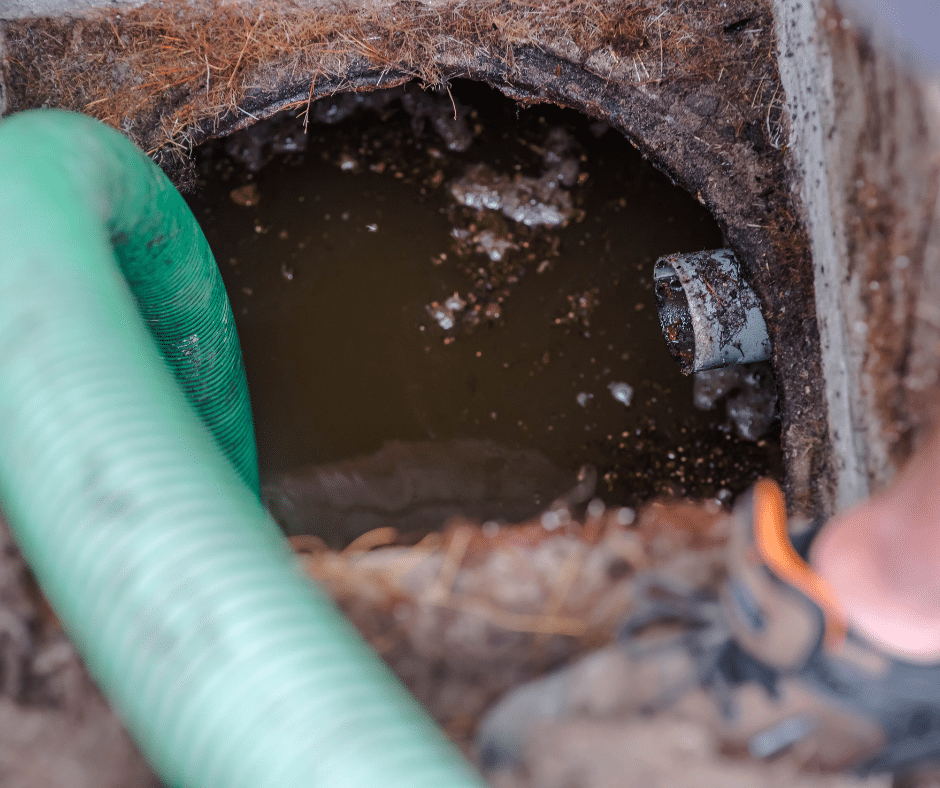
If you're nodding along to any of those "Oh No!" signs, don't panic! The good news is, septic tanks are designed to be pumped out. Your next step is to call a professional septic service immediately. Do not, I repeat, do not try to DIY this. It’s messy, it’s hazardous, and frankly, it requires specialized equipment and expertise.
To avoid future drama, aim for a regular pumping schedule. For most households, every 3-5 years is a good rule of thumb, but this can vary based on tank size and household usage. Think of it as a preventative spa day for your subterranean friend – keeps it happy, healthy, and quiet.
So, there you have it. The secret language of the full septic tank, deciphered. Hopefully, your tank will remain the silent, hardworking hero it was always meant to be. But if it starts gurgling, stinking, or spewing, at least you’ll know exactly what kind of drama queen you’re dealing with!