How To Stop Hardwired Smoke Alarm From Beeping

Ah, the sweet symphony of silence. A luxury often taken for granted until it's shattered by the piercing shriek of a smoke alarm. We've all been there, standing on a chair at 3 AM, wielding a broom like a knight fighting a fire-breathing dragon, all in the noble pursuit of peace and quiet. The "activity" we're discussing today isn't about setting off alarms, but rather about mastering the zen-like art of silencing them when they've decided to go rogue. It's a universal quest, a shared battle against the persistent, high-pitched beep that seems designed specifically to chip away at your sanity.
The purpose of learning this invaluable life skill? Pure, unadulterated sanity, for starters. Imagine a world where your morning coffee isn't interrupted by a high-pitched chirp, or where your pets don't cower in fear every time you attempt to sauté onions. It’s about maintaining a serene home environment while still being protected. The benefit is a restful night's sleep, productive weekdays, and the ability to cook a slightly-too-toasty bagel without triggering an impromptu neighborhood evacuation drill. It allows you to trust that when your alarm does go off, it's for a genuine emergency, not because a dust bunny looked at it funny.
Common examples of this auditory assault are abundant. Who hasn't experienced the dreaded "low battery chirp" precisely when you've finally drifted off into dreamland, only to realize your hardwired alarm also has a backup battery that's decided to give up the ghost? Or the innocent steam from a particularly enthusiastic shower setting off the sensor? Perhaps the ambitious attempt at toast-making turning into an emergency evacuation drill, complete with flashing lights and a siren that could wake the dead? These aren't just minor inconveniences; they're moments that test our resolve, our relationships with kitchen appliances, and, most importantly, our ear drums.
Must Read
So, how do we enjoy the blissful silence more effectively, or rather, how do we restore it? Here are some practical tips to reclaim your peace:
- Identify the Culprit: First things first, find the offending unit. Often, only one alarm is chirping, even if they're interconnected. Listen carefully.
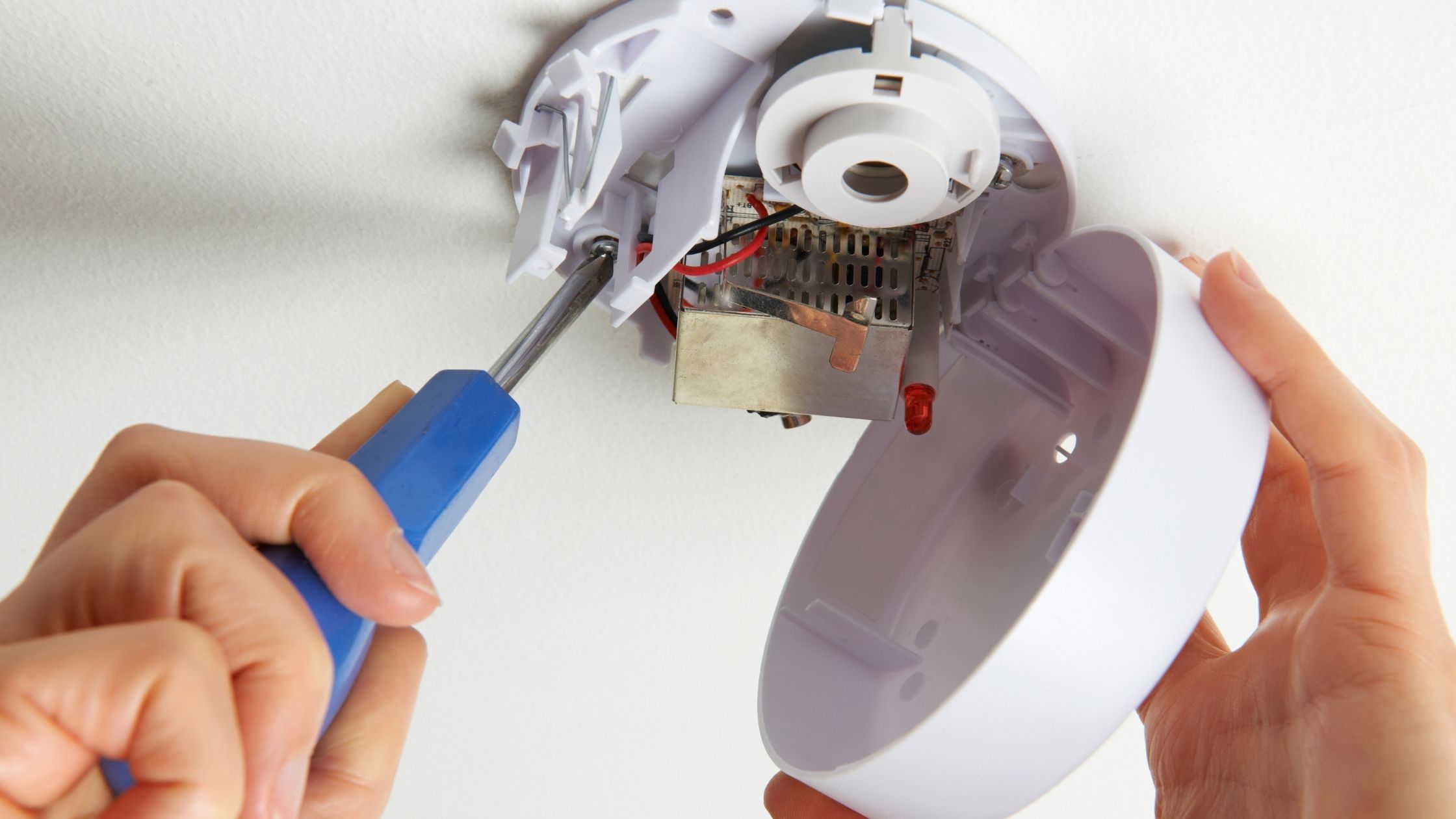
- Check the Battery Backup: This is the #1 reason for chirping! Don't assume that because it's hardwired, it doesn't need a fresh 9-volt or AA battery. Most hardwired alarms have a battery backup to ensure protection during power outages. Replace it!
- Press the Hush/Test Button: A quick press of the 'Hush' or 'Test' button can often silence a false alarm or reset the unit. Hold it for a few seconds if necessary.
- Clean the Sensor: Dust, cobwebs, or even small insects can accumulate inside the alarm and trigger false alarms or chirps. Gently vacuum around the vents or use a can of compressed air to clear it out. Always be gentle!
- Reset the Alarm (Power Cycle): If the above steps fail, you might need a hard reset. Go to your home's electrical panel and locate the circuit breaker that controls your smoke alarms (often labeled "Smoke Detectors" or part of a general "Lighting" circuit). Flip it off for about 30-60 seconds, then flip it back on. This is like rebooting a computer and can clear internal errors.
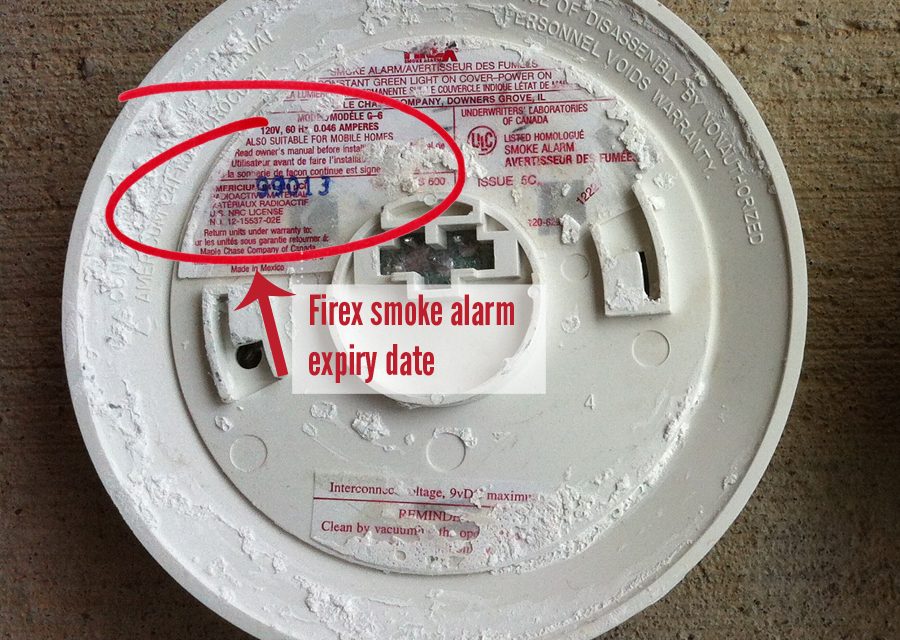
- When All Else Fails, Consider Replacement: Smoke alarms have a lifespan of about 7-10 years. Check the manufacture date on the back of the unit. If it's older than this, it might be time for a replacement. They don't last forever!
- Safety First: If you're uncomfortable dealing with electrical components or reaching high places, please call a qualified electrician or handyman. Your safety is paramount.
Mastering these steps means you can effectively silence the siren song of a misbehaving smoke alarm, returning your home to its natural state of blissful quiet. It's not just about stopping a beep; it's about preserving your sanity, one silent moment at a time.