
How To Silence Smoke Detector Low Battery
Alright, let's talk about that sound. You know the one. It usually starts somewhere between "deep, blissful sleep" and "just about to remember what you wanted from the fridge." It's not a gentle melody, not the cat meowing for breakfast, and definitely not the soothing hum of your dishwasher. It’s that insidious, high-pitched, persistent chirp. Yep, we're talking about your smoke detector telling you its battery is giving up the ghost.
It’s like a tiny, electronic bird trapped in your ceiling, slowly but surely pecking away at your sanity. But don’t worry, you’re not alone. We’ve all been there, stumbling through the dark at 3 AM, waving a broomstick vaguely in the direction of the ceiling, trying to locate the source of the sonic assault. Good news! Silencing that chirper is usually easier than convincing a toddler that broccoli is a delicious green tree.
Why the Chirp? And Why Should I Care (Besides My Sanity)?
That chirp isn't just a rude awakening; it's your smoke detector's way of saying, "Hey! My power supply is running low, and I can't protect you properly anymore!" Think of it like your phone giving you that annoying "10% battery" notification, but instead of just missing out on Instagram, you could be missing out on a critical early warning.
Must Read
We’re not trying to be a buzzkill here – quite the opposite! Your smoke detector is a tiny superhero, a vigilant guardian standing watch over your home and family 24/7. When it chirps, it’s not being difficult; it’s asking for a power-up so it can continue its heroic mission. Imagine Batman without his utility belt, or your morning coffee without caffeine. Not ideal, right?
And let's be honest, beyond the actual safety, silencing that chirp brings an unparalleled sense of peace. No more waking up in a cold sweat, convinced a tiny robot has invaded your home. No more awkward moments during Zoom calls when your ceiling decides to join the conversation. It's about reclaiming your quiet evenings, your peaceful mornings, and your undisturbed slumber.
The Immediate Truce: Silencing the Chirp (Temporarily)
Okay, the chirp has started, and you need a moment of peace before you can tackle the battery replacement. Here’s how to usually get that blessed silence:
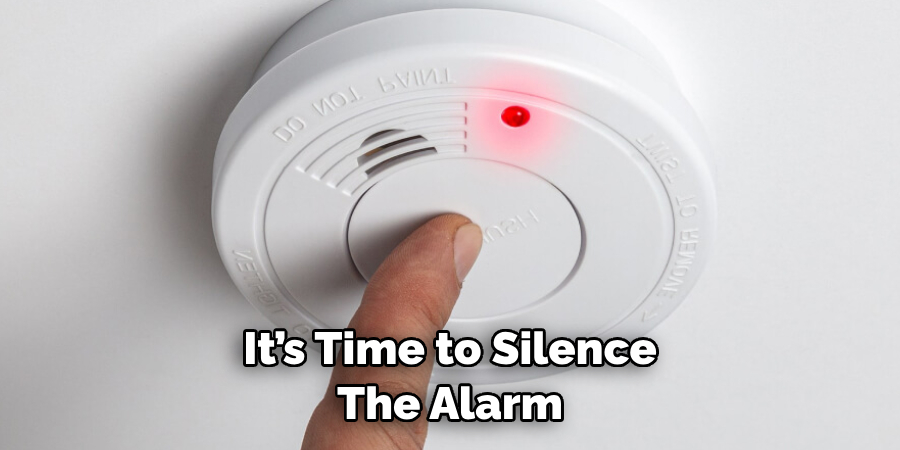
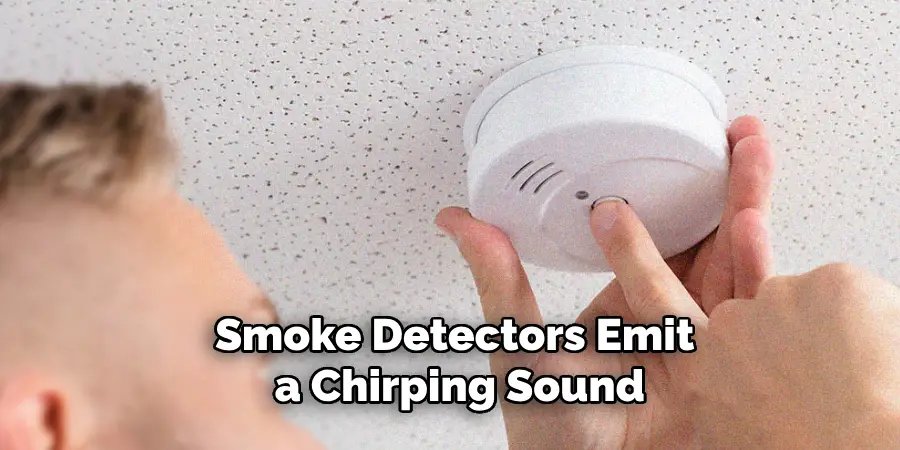
- The Button Press: Many smoke detectors have a "Test" or "Hush" button right on the front. Giving this a firm press for a few seconds can often silence the low-battery chirp for a short period (sometimes up to 12 hours). Think of it as hitting snooze on a very insistent alarm clock. It buys you time.
- Twist and Remove: If the button isn’t doing the trick, or if you just want to get to the root of the problem, you might need to temporarily take the detector down. Most detectors are mounted to a base plate by twisting counter-clockwise. Once it’s off its base, it should stop chirping. Remember to deal with it quickly though! An unpowered smoke detector is like a lifeguard on a coffee break – not doing its job.
The Permanent Solution: Battery Replacement (Your Superhero's Power-Up!)
Now for the real fix – giving your little guardian angel some fresh juice. This is often much simpler than you think!

What You'll Need:
A fresh battery (usually a 9-volt, sometimes AA or AAA for newer models – check your detector for the right type!). A step stool or small ladder, because unless you're an NBA player, most ceilings are a tad out of reach.
The Easy-Peasy Steps:
- Get Up There (Safely!): Use your step stool or ladder. Always make sure it’s sturdy and on a flat surface. We want to silence chirps, not cause new bumps and bruises.
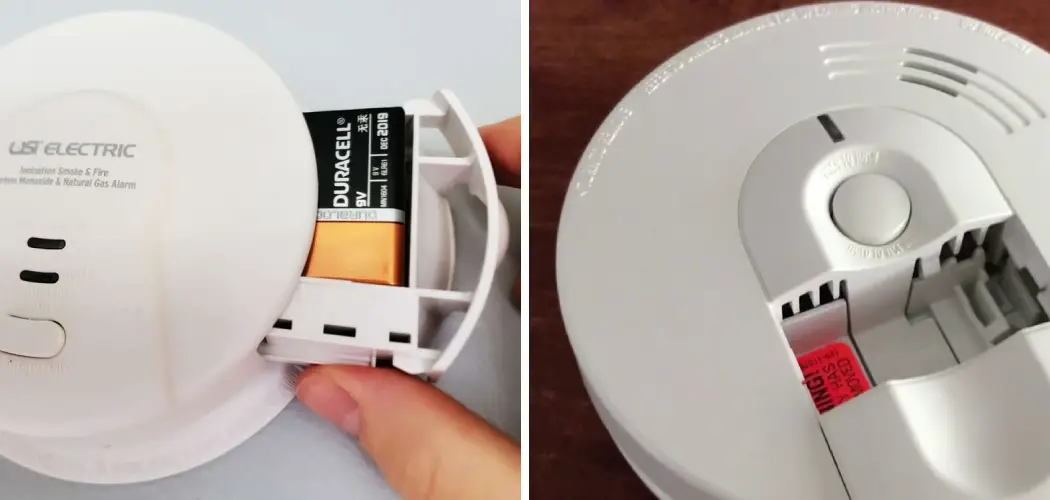
- Locate the Battery Compartment: This is usually a small door or cover on the side or back of the detector. Sometimes, you might need to twist the entire unit off its ceiling base first (as mentioned above) to access the compartment. Look for little arrows or "Open" instructions.
- Open the Compartment: Gently slide, lift, or pop open the cover.
- Remove the Old Battery: Disconnect the old battery. It’s usually snapped into place. Wiggle it free. Give it a silent farewell for its service.
- Insert the New Battery: Connect the fresh battery, making sure the positive (+) and negative (-) terminals match up correctly. It should snap firmly into place.
- Close It Up: Replace the battery compartment cover until it clicks securely.
- Test It! This is super important. Press and hold the "Test" button on the detector for a few seconds. It should emit a loud, ear-piercing alarm. This tells you it’s working correctly. If it doesn't, check the battery connection again.
- Reattach to Ceiling (If Necessary): If you removed the whole unit, twist it clockwise back onto its base until it locks securely.
Voila! Silence, glorious silence. And the satisfying knowledge that your home is once again properly protected.
Still Chirping? Don't Throw It Out the Window Just Yet!
Sometimes, even after a fresh battery, your detector might still be a drama queen. Here are a few quick troubleshooting tips:
- Wrong Battery Type? Double-check that you used the exact battery type recommended for your unit. A round peg in a square hole just won't do.
- Dust Bunnies: Smoke detectors can get dusty inside, triggering false alarms or chirps. Gently vacuum around the vents or wipe the exterior with a damp cloth (make sure it's dry before reattaching). Think of it as a spa day for your detector!
- Expired Unit? Smoke detectors don't last forever. Most have a lifespan of about 7-10 years. Look for a manufacturing date on the back. If it's past its prime, it might be time for a brand new one. They truly are like milk, they expire!
- Is it a Carbon Monoxide Detector? If you have a combination unit, it might be the carbon monoxide sensor chirping, not the smoke detector. These often have a shorter lifespan.
And That's a Wrap!
So next time that irritating chirp starts, remember it’s not an enemy, but a friend asking for a little help. A few minutes of your time, a fresh battery, and you’ll restore peace to your home and ensure your trusty smoke detector is ready to protect you. Make it a habit to check those batteries every six months – perhaps when you change your clocks for daylight saving. It’s a small task for a big slice of peace of mind. Now, go enjoy the quiet!
