
How To Silence A First Alert Smoke Alarm

Okay, let's be real. There are few sounds in this world more startling, more blood-pressure-spiking, than the sudden, insistent, piercing chirp of a smoke alarm. Especially when you're just trying to enjoy a quiet evening, or, heaven forbid, cook something that might be slightly over-charred (don't worry, we've all been there). You jump, you flail, you might even utter a few choice words.
And then, to add insult to injury, it won't just stop. It's like a tiny, plastic dictator, mocking your attempts at peace and quiet. If you've got a First Alert smoke alarm that's decided to host an unscheduled rave, don't panic! We're here to walk you through how to silence that little noise machine and restore tranquility to your humble abode. Consider me your calming, slightly sarcastic guide through this auditory nightmare.
The Symphony of Screeching: What's Happening?!
First things first, how do you know it's a First Alert? Well, usually, the brand name is proudly emblazoned right on the front. Or, you might just recognize the specific tone that's currently rattling your eardrums. Either way, you're now intimately familiar with its existence, aren't you? It's like that persistent telemarketer, but with more decibels.
Must Read
The chirp usually means one of a few things, and almost always, it's not because your house is actually on fire (phew!). It's more likely a cry for help... from the alarm itself. Think of it as a grumpy toddler needing a new diaper or a snack. We just need to figure out which one.
The "Silence" Button: A Moment of False Hope
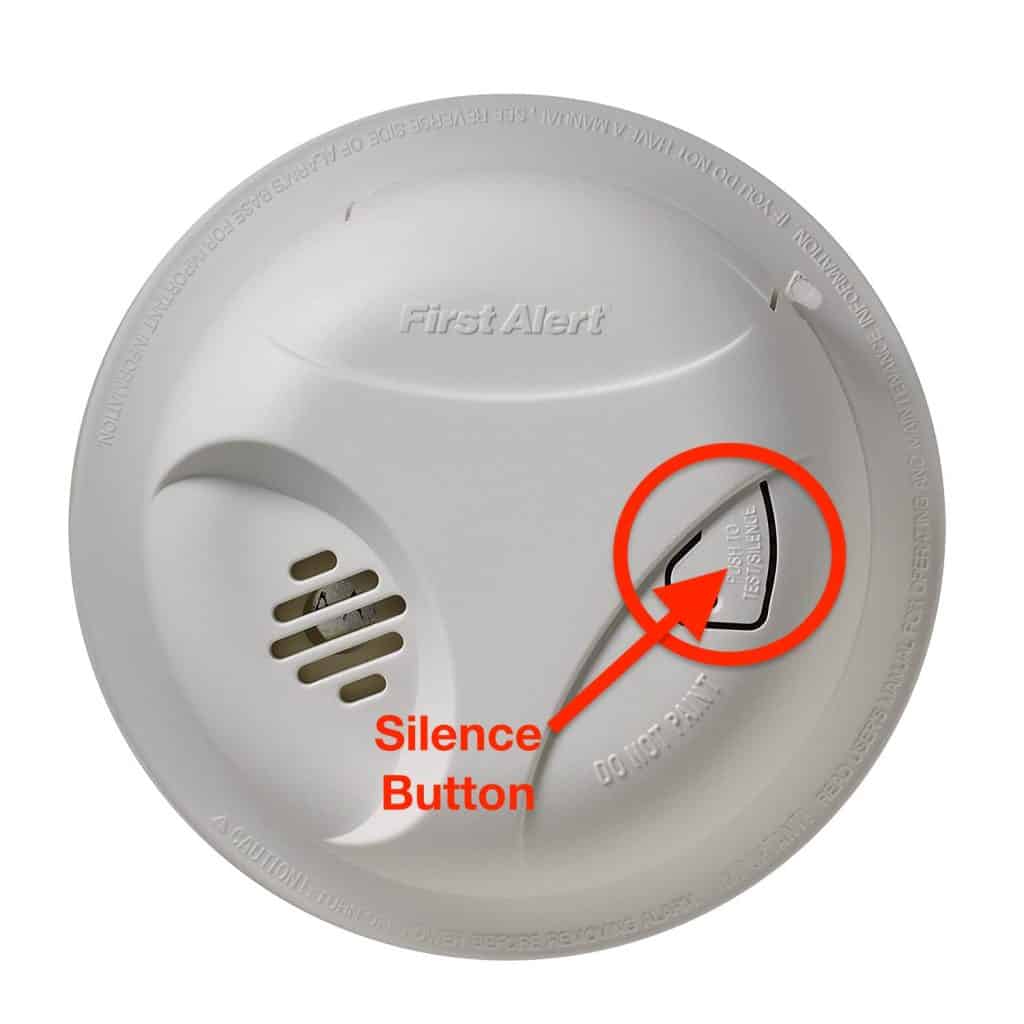
Most modern smoke alarms, including many First Alert models, come with a handy "Hush" or "Silence" button. You might have already smacked it repeatedly, hoping for a miracle. And for a glorious few minutes, it might actually work! The chirping stops. You breathe a sigh of relief. You high-five an imaginary friend.
But then, bam! Five, ten, fifteen minutes later, it's back. That's because the silence button is generally for temporarily muting false alarms (like when your toaster gets a little too enthusiastic). It doesn't fix the underlying problem. It just tells the alarm, "Hey, I see you, but give me a sec!" It's like hitting snooze on an alarm clock that's actually trying to warn you about something important.
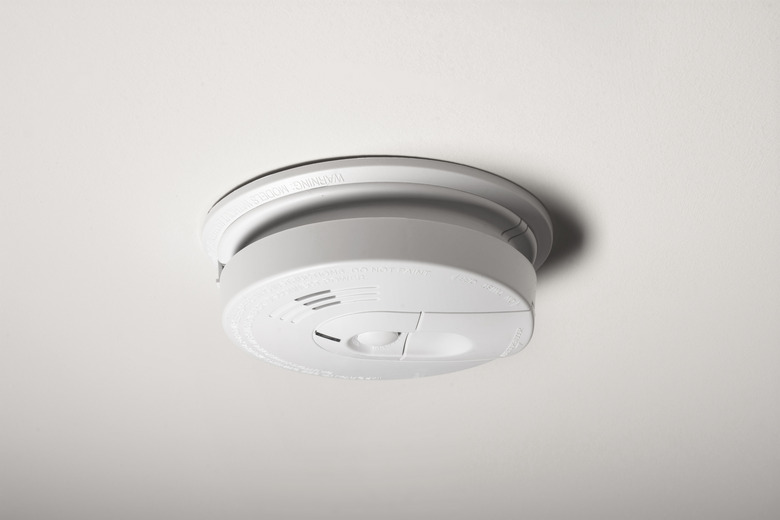
Diagnosing the Diva: Why Won't It Shut Up?
Okay, so the silence button is a band-aid. We need surgery! Here are the main reasons your First Alert alarm is being a noisy neighbor:
1. Low Battery: The Classic Culprit. This is the most common reason. Your alarm is basically saying, "Hey! I'm running on fumes here! A little juice, please?" It's usually a single chirp every 30-60 seconds.
2. End-of-Life: The Inevitable Farewell. Smoke alarms don't live forever. After about 7-10 years (check the date on the back!), the sensors can degrade, and the alarm will start chirping to let you know it's time for retirement. This is a crucial one, as an old alarm might not protect you effectively. Think of it as its swan song.
3. Dust Bunnies Beware! Sometimes, dust or insects can get into the sensing chamber, causing false alarms or intermittent chirping. It's like getting an eyelash in your eye – super annoying!
Your Hero's Journey: A Step-by-Step Guide to Peace and Quiet
Alright, grab your metaphorical cape, because you're about to become a smoke alarm silencing superhero! (Or at least someone who can enjoy their dinner in peace.)
Step 1: Safety First, Captain!
If your alarm is on the ceiling, you'll need a sturdy step stool or ladder. And for goodness sake, have someone spot you if you're reaching for the stars! We're silencing alarms, not performing acrobatics.
Step 2: Find the Fiddler.
If you have multiple alarms, try to pinpoint which one is chirping. Sometimes it feels like they're all conspiring against you, but usually, it's just one noisy little troublemaker.
Step 3: The Twist-Off Tango.
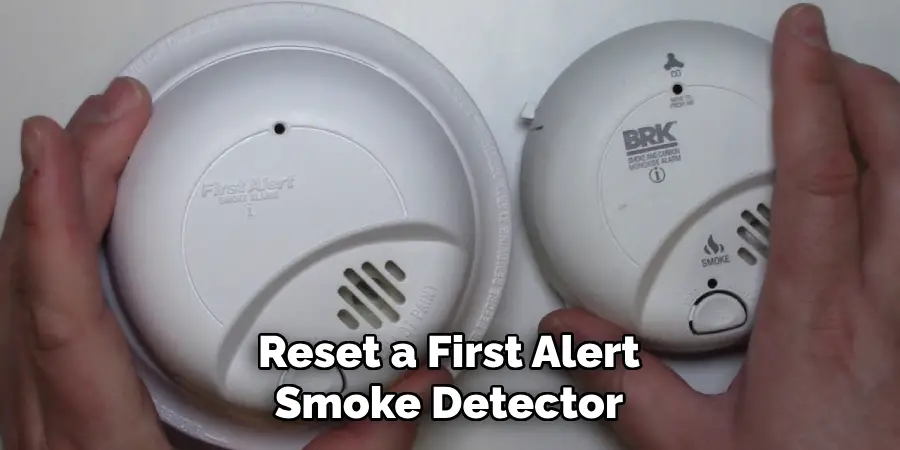
Most First Alert alarms attach to a mounting bracket with a simple twist. Gently twist the alarm unit counter-clockwise to detach it from the ceiling or wall. It should pop right off. Don't yank it like you're starting a lawnmower; a gentle twist is all it needs.
Step 4: Battery Bonanza!
Once it's off, flip it over. You'll usually see a battery compartment. Open it up (some have a little latch or screw). Remove the old battery (likely a 9-volt, but check your model's manual if you're unsure). Important: Wait about 10-15 seconds before putting in a fresh, new battery. This allows the alarm to fully reset. Pop in the new battery, making sure the polarity (+ and -) is correct. Give it a firm push to ensure it's seated properly.
Step 5: The Grand Finale (End-of-Life).
If you've replaced the battery, waited, and it still chirps after reattaching, it's very likely reached its end-of-life. Look on the back for a "replace by" date. If it's passed, it's time for a new unit. Don't be sad; think of it as upgrading to a newer, quieter model with all the bells and whistles (but fewer chirps!).
Step 6: Operation Dust Bunny.
Before putting it back, grab a can of compressed air (like for cleaning keyboards) and give the alarm's vents and openings a good, gentle blast. This helps clear out any dust or cobwebs that might be causing interference. Just don't use a vacuum cleaner hose; the static electricity can damage the unit.
Step 7: Reassemble and Rejoice!
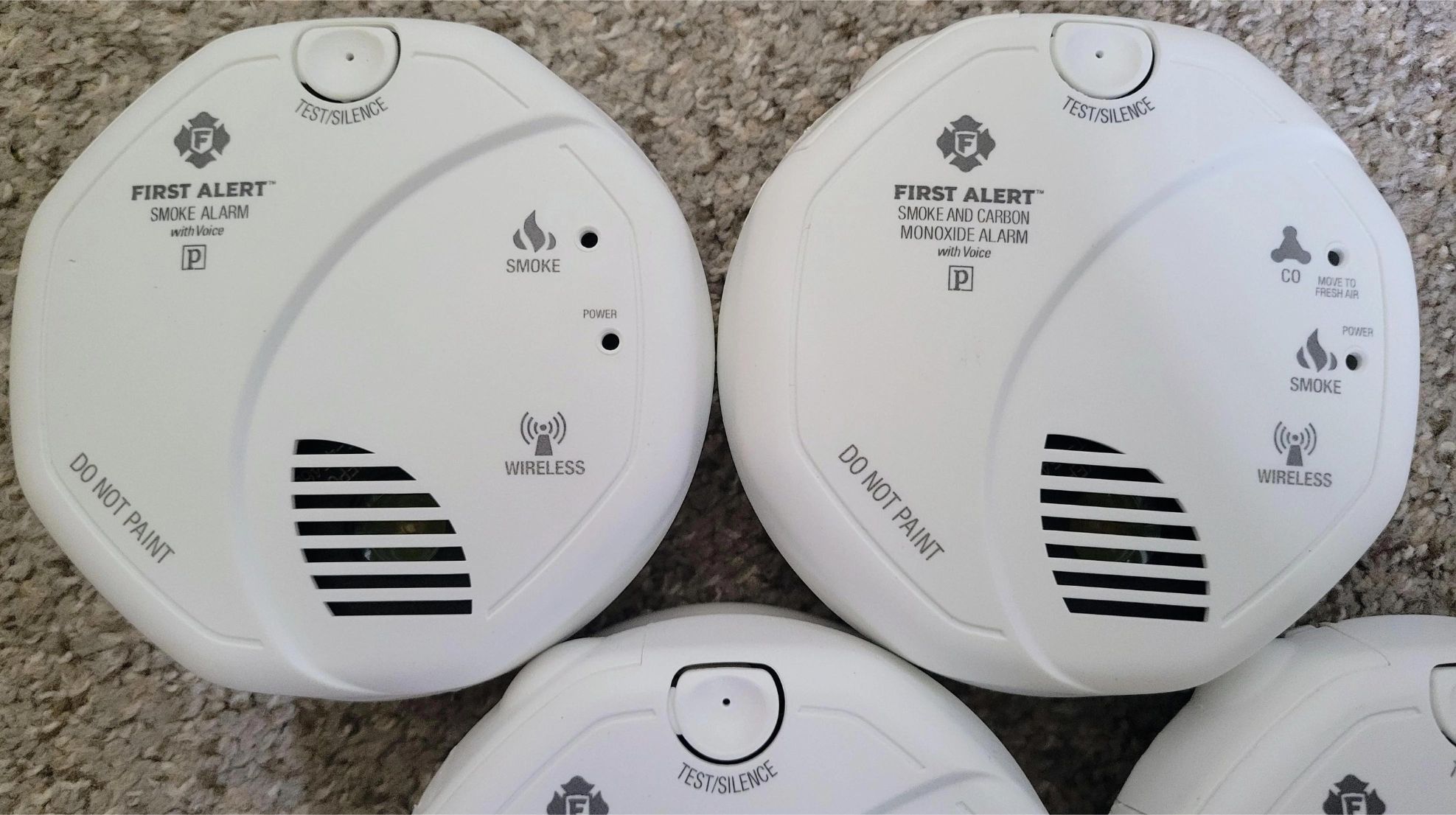
Align the alarm unit back onto its mounting bracket and twist it clockwise until it locks securely into place. Once it's back up, it should automatically perform a self-test and settle down. Give it a happy little pat. Then, press the "Test" button to make sure it's working properly. It should emit a loud, continuous alarm. That's the sound you want when there's an actual emergency, not a persistent chirp!
A Few Friendly Nudges (aka Pro Tips)
Don't just silence it; fix it. A chirping alarm is trying to tell you something important about its health. Ignoring it is like ignoring a check engine light in your car – eventually, it might lead to bigger problems (or, you know, no warning in a fire!).
Make it a habit to test your smoke alarms monthly. Just press the test button! And replace all batteries at least once a year (many people do it when they change their clocks for daylight saving). It's a small task that offers a huge peace of mind.
You did it! You faced the chirping beast, you diagnosed its woes, and you emerged victorious. Your home is now a sanctuary of silence (or at least, intentional noise). Go ahead, make yourself a celebratory snack – and don't worry, the smoke alarm won't judge your culinary skills. Enjoy the glorious, beautiful quiet. You've earned it!