
How To Shut Off Beeping Smoke Detector

Ah, the smoke detector. It's that unassuming little gadget on your ceiling, often forgotten until... BEEP! Or, even worse, chirp-chirp... BEEP! at 3 AM. Suddenly, this silent guardian transforms into a tiny, high-pitched opera singer, determined to let the entire neighborhood know something is amiss. We’ve all been there, right? Stumbling out of bed, eyes half-closed, performing a desperate, sleepy ballet trying to locate the source of the infernal noise.
It’s like a game of audio hide-and-seek, but with much higher stakes for your sanity. And while that incessant beeping can feel like a personal attack on your eardrums, remember, this little gadget is actually a superhero in disguise. It’s trying to tell you something important, usually about its battery. But before you succumb to the urge to throw a shoe at it (please don't!), let's walk through how to politely, yet firmly, tell it to hush.
The Low Battery Chirp: Your Most Common Foe
This is the sound most of us are familiar with. It's not a full-blown alarm, more like a persistent, nagging little chirp every 30-60 seconds. Think of it as your smoke detector trying to send you a polite, but very annoying, text message saying, "Hey, buddy, I'm running low on juice!"
Must Read
Why care? Because while it's annoying, it's also a heads-up. A dead battery means a silent guardian, and a silent guardian is no guardian at all. You wouldn't let your phone die in an emergency, would you? Treat your smoke detector with the same respect!
Step 1: Find the Noisy Ninja
This is often the trickiest part, especially in bigger homes. The sound can bounce off walls, making it seem like the chirp is coming from everywhere and nowhere simultaneously. It's like a tiny, acoustic ghost.
Your mission: Stand still, close your eyes, and slowly turn. The sound will be loudest when you’re facing it. You might even need to get a stool or ladder to get closer. Don't be afraid to put your ear right up to them (carefully, of course!) until you pinpoint the offending unit. Once you find it, you’ve won the first round!
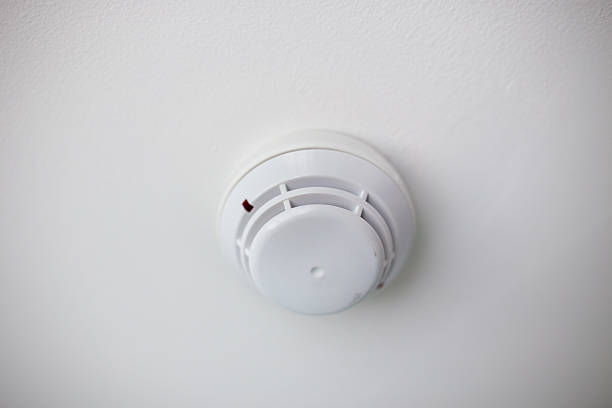
Step 2: The Mute Button (Temporary Relief!)
Many modern smoke detectors have a small "Hush" or "Test/Silence" button. Give it a gentle press. If it’s a low-battery chirp, this might silence it for a few minutes or even an hour.
Think of it as hitting snooze on your alarm clock. It buys you a little time, but the problem isn't truly solved. It's a temporary truce, not a victory. Use this time wisely to gather your tools for the next step.
Step 3: The Heroic Battery Change!
This is where you become the household hero.
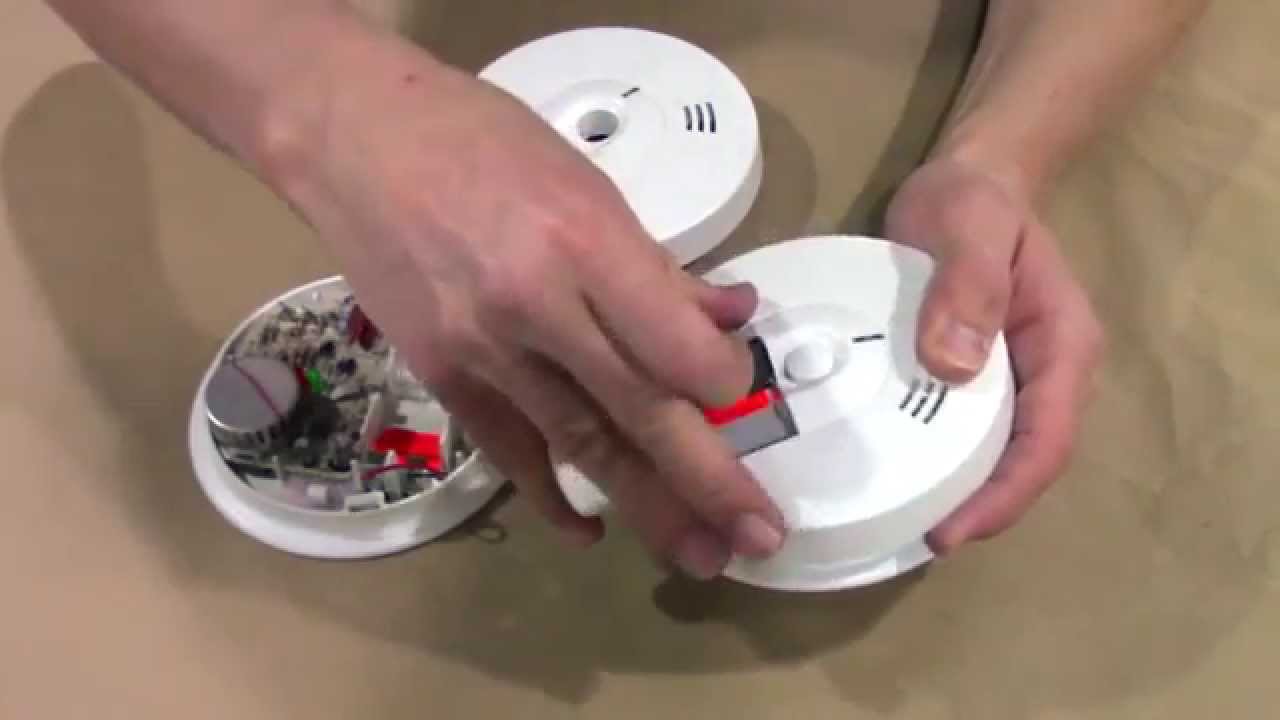
What you’ll need:
- A sturdy ladder or step stool.
- A new battery (usually a 9-volt, but some use AA or AAA. Check your manual or the back of the detector!).
- Maybe a brave assistant to hold the ladder and offer moral support.
How to do it:
- Safety first! Make sure your ladder is stable.
- Twist and shout (but gently): Most detectors twist off their mounting bracket counter-clockwise. Some have clips or latches. Refer to your manual if you're stuck!
- Unplug if necessary: If it's hardwired, you'll see a small plug connecting it to the ceiling wires. Gently unplug it. Don't worry, it's safe!
- Swap the power pack: Open the battery compartment (usually a little slide-out tray or a hinged cover). Pop out the old battery. Take a moment to silently thank it for its service.
- Insert the fresh juice: Put in the new battery, making sure the positive (+) and negative (-) terminals match.
- Re-attach and test: Plug it back in (if hardwired), twist it back onto its mount, and then press the "Test" button. You should hear a loud, piercing alarm – that’s good! It means it's working. And then... silence. Ahh, sweet, sweet silence.
The Full-Blown Alarm: When There's Actual Smoke
This is a much louder, more continuous, and urgent alarm. It means your detector thinks there might be a fire.
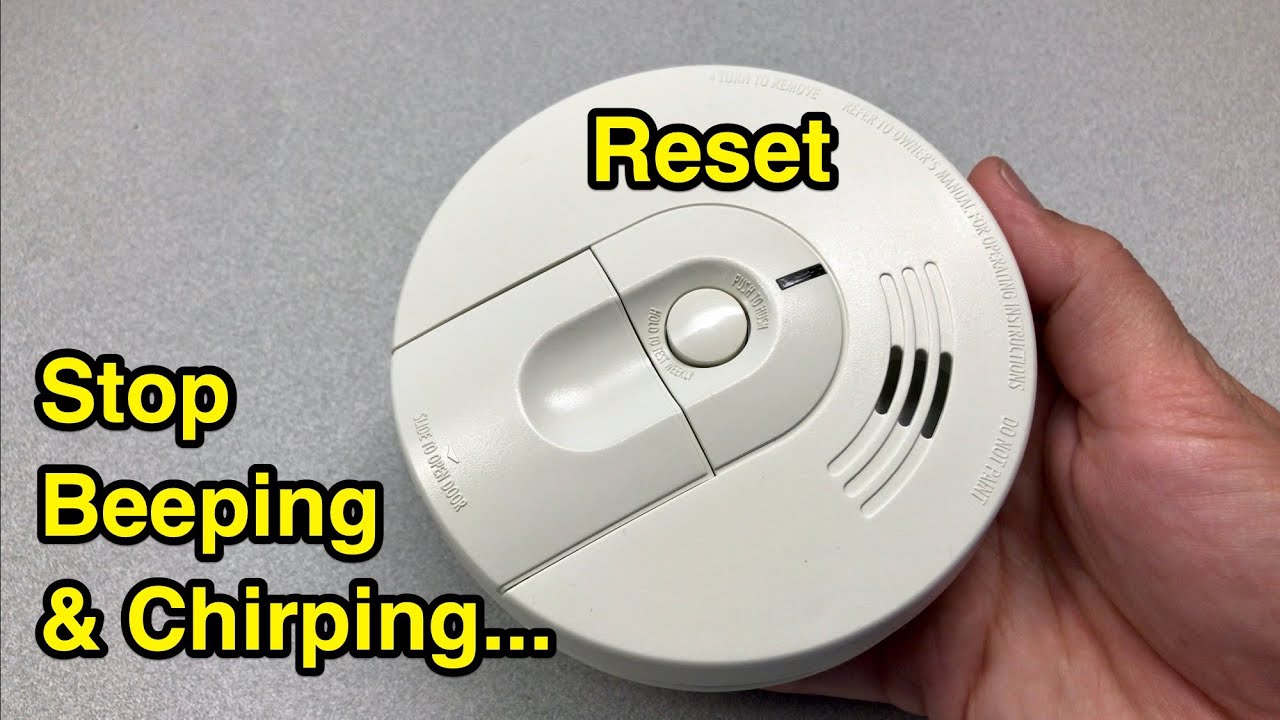
Why care? Because this is its primary job! This is the sound that could literally save your life and the lives of your loved ones. Don't ignore it.
What to do:
- Don't panic! (Easier said than done, we know.)
- Investigate: Is it burnt toast? A super steamy shower? Smoke from the fireplace? Sometimes, even dusty sensors can trigger it.
- Ventilate: Open windows and doors to clear the air.
- Silence/Reset: Once you've identified and dealt with the non-fire culprit (like that overdone bagel), you can usually press the "Hush" or "Reset" button to silence the alarm. It should eventually reset itself once the air clears.
- If it's a real fire: If you see flames or heavy smoke, or can't identify a harmless source, do not try to be a hero. Get everyone out of the house immediately and call emergency services (911 in the US). Your life is infinitely more valuable than your possessions.
When to Replace the Whole Unit
Did you know smoke detectors have an expiration date? Most units are good for about 10 years. After that, their sensors can become less reliable.
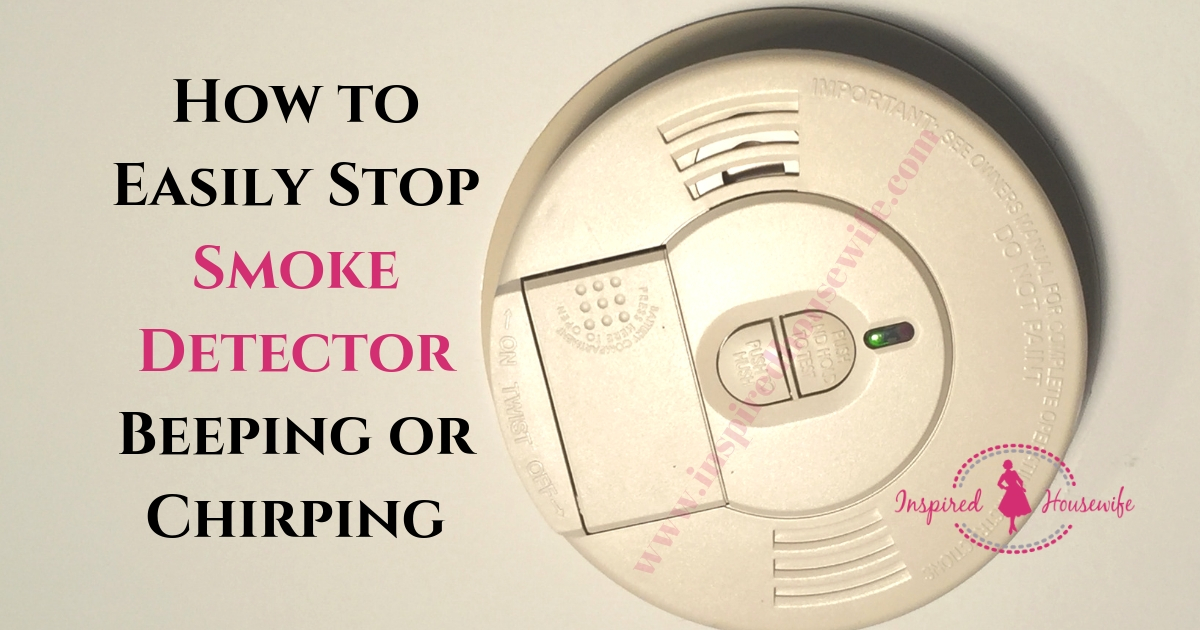
Check the back: There's usually a manufacturing date. If it's over 10 years old, it's time for a replacement. Think of it like a loyal, but aging, pet. It's served its time; now it's ready for retirement (and recycling!).
Embrace the Silence (and the Safety!)
Dealing with a beeping smoke detector isn't just about preserving your sanity; it's about preserving your safety. A properly functioning smoke detector is your first line of defense against the unexpected. It gives you precious time to react, to get out, and to protect what matters most.
So next time that little box starts chirping, don't just sigh and wish it away. See it as an opportunity to be proactive, to be responsible, and to ensure your home remains a safe haven. You've got this! And remember, the reward is not just peace and quiet, but genuine peace of mind.