How To Set Clock On Honeywell Thermostat

There it sat, perched on the wall, a silent guardian of our indoor climate. Most days, the Honeywell thermostat blends seamlessly into the background of daily life, a humble servant dictating the precise degree of our comfort. But then, it happens. A power flicker, the dreaded Daylight Saving transition, or perhaps just a curious little finger. Suddenly, its digital face, usually so composed, begins to blink. A relentless, irritating blink, proclaiming to the world that something is amiss: the clock is wrong.
Oh, the silent judgment of a blinking clock! It’s not just a number on a screen; it’s a tiny, insistent reminder that your home’s schedule, its very rhythm, is out of sync. Your morning coffee might feel less punctual, your evening wind-down a tad off-kilter. It’s a small detail, yes, but isn’t it often the small details that throw the grand symphony of a day into disarray?
Approaching the thermostat can feel like a delicate operation. It’s not a smartphone, buzzing with intuitive gestures. It’s a stoic, button-laden box. There’s usually a moment of hesitation, a slight furrowing of the brow, before you commit. You might even hear a little internal monologue:
Must Read
“Okay, old friend. Time to get us back on track. No pressure, but lives depend on this properly timed warmth.”
Your finger hovers. Which button? There's the obvious Mode, the crucial Fan, and often, a little army of arrow keys. But for the clock? The eye scans for something that screams time or schedule. Sometimes, it’s a tiny little icon, almost shy. Other times, it’s a bold declaration.

The Great Button Hunt
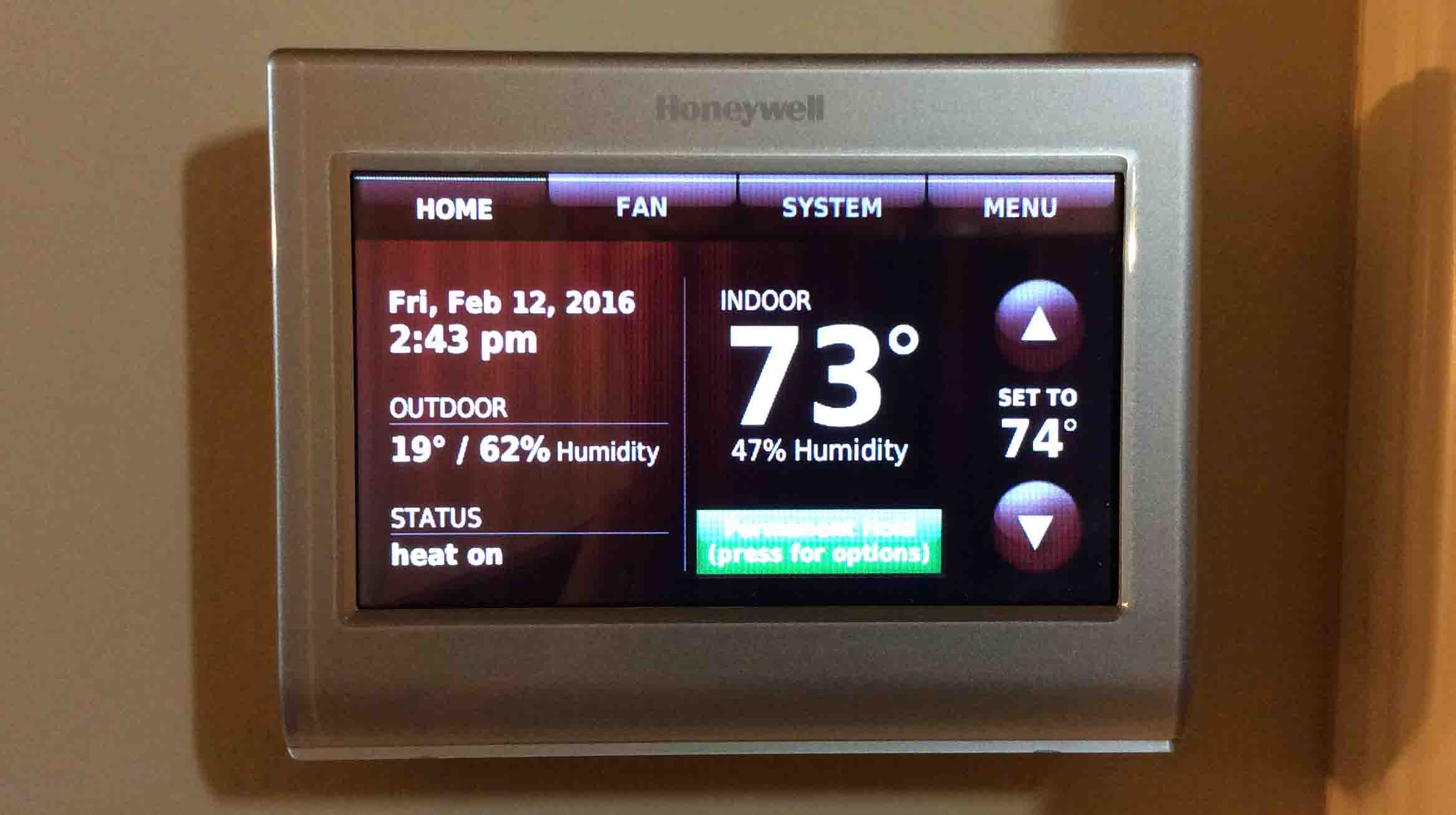
More often than not, the magical portal to time-setting begins with a button labeled Menu. It's often tucked away, unassuming, but it holds the keys to the kingdom. A gentle press, and the screen, which moments ago was just blinking wildly, might transform. New options appear, a digital labyrinth promising passage to order.
Scrolling through these options is like an archaeological dig. You’ll see things like "System," "Program," "Filter." Resist the urge to tweak the heating cycle or change your air filter reminder – noble quests for another day. No, our focus is singular, our purpose clear: the clock. And then, there it is, usually under the banner of Set Clock or perhaps simply Time. A triumphant grin might just involuntarily spread across your face. It's a small victory, but it's yours.

A second press confirms your selection, and suddenly, the hour digits begin to blink, almost asking for your guidance. This is where the trusty up and down arrows come into play. A tap for each hour, moving steadily towards the present moment. There’s a quiet satisfaction in watching the numbers obediently fall into place, like tiny digital soldiers snapping to attention. Don't forget the AM/PM! Many a seasoned clock-setter has sailed past noon or midnight, only to realize their morning coffee schedule is now set for 2 AM.
The Minute Details and The Grand Finale
Once the hour is tamed, you'll typically press Next or Set to move onto the minutes. More taps, more precision. You might even find yourself humming a little tune as the minutes align perfectly. It’s a meditative process, a brief moment of quiet control in an often-uncontrollable world. You are the master of this tiny digital universe.
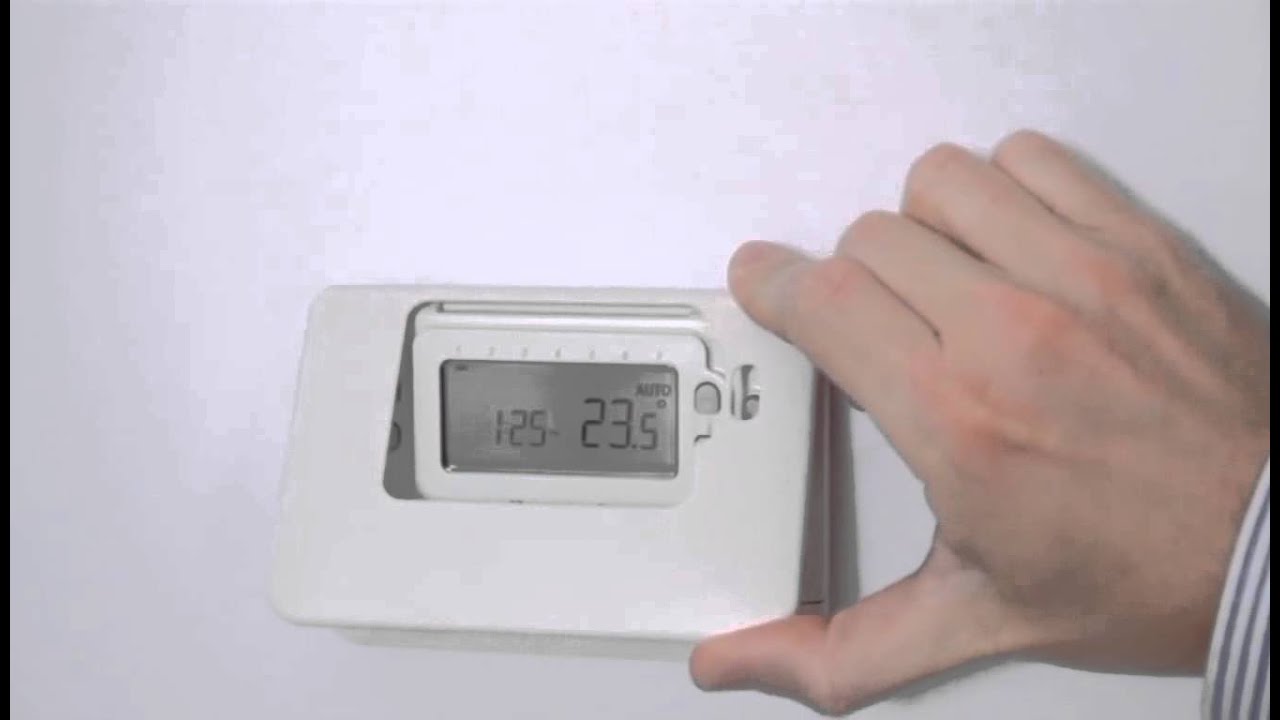
And then, the moment of truth. After setting both hour and minute, there's usually a final, crucial button. It might be Done, or Run, or sometimes even just a repeat press of the Menu button to exit. Whatever its name, this is the command that locks in your efforts, saving the new, correct time. You press it, perhaps with a little flourish, and hold your breath.
The blinking stops. The new time, accurate and steadfast, gleams on the display. Your Honeywell thermostat, once a beacon of digital anxiety, is now a calm, collected hub of temporal accuracy. The silence that follows isn't just the absence of a blink; it’s the quiet satisfaction of a job well done. The home breathes a collective sigh of relief, its schedule restored, its rhythm re-established.
It’s a simple act, setting a clock on a thermostat. Yet, in that small interaction, we find a curious echo of our own desires for order, for comfort, for the quiet confidence that comes from knowing things are precisely as they should be. And isn't that a rather heartwarming thought, especially for something we usually only notice when it's just a little bit off?