
How To Reset Garage Door After Power Outage
Ah, the dreaded power outage. One minute you're binging your favorite show, the next your house plunges into a silence that's almost eerie, punctuated only by the distant wail of a generator. And inevitably, when the power flickers back on, there's always one thing that decides to play hard to get: your garage door.
It's a classic "first-world problem," sure, but there's nothing quite as inconvenient as a stuck garage door when you're trying to get out for that emergency coffee run or welcome guests. But fear not, intrepid homeowner! Resetting your garage door after a power hiccup is usually far less dramatic than it sounds. Think of it as giving your garage door a much-needed reboot, much like you'd coax a grumpy smartphone back to life.
Why the Fuss? A Quick Explainer
When the power goes out, your smart garage door opener loses its memory, its settings, its very sense of purpose. It doesn't know where "up" is, where "down" is, or even if it's supposed to be moving at all. So, like a well-meaning but confused robot, it simply stops. Our job is to gently remind it how the world works again.
Must Read
The Grand Reset: Your Step-by-Step Guide
Before we dive in, a quick but important note: safety first! Always make sure the area around the garage door is clear of children, pets, and any obstacles. We want a smooth, incident-free operation here.
Step 1: The Great Disconnect (The Red Cord Revelation)
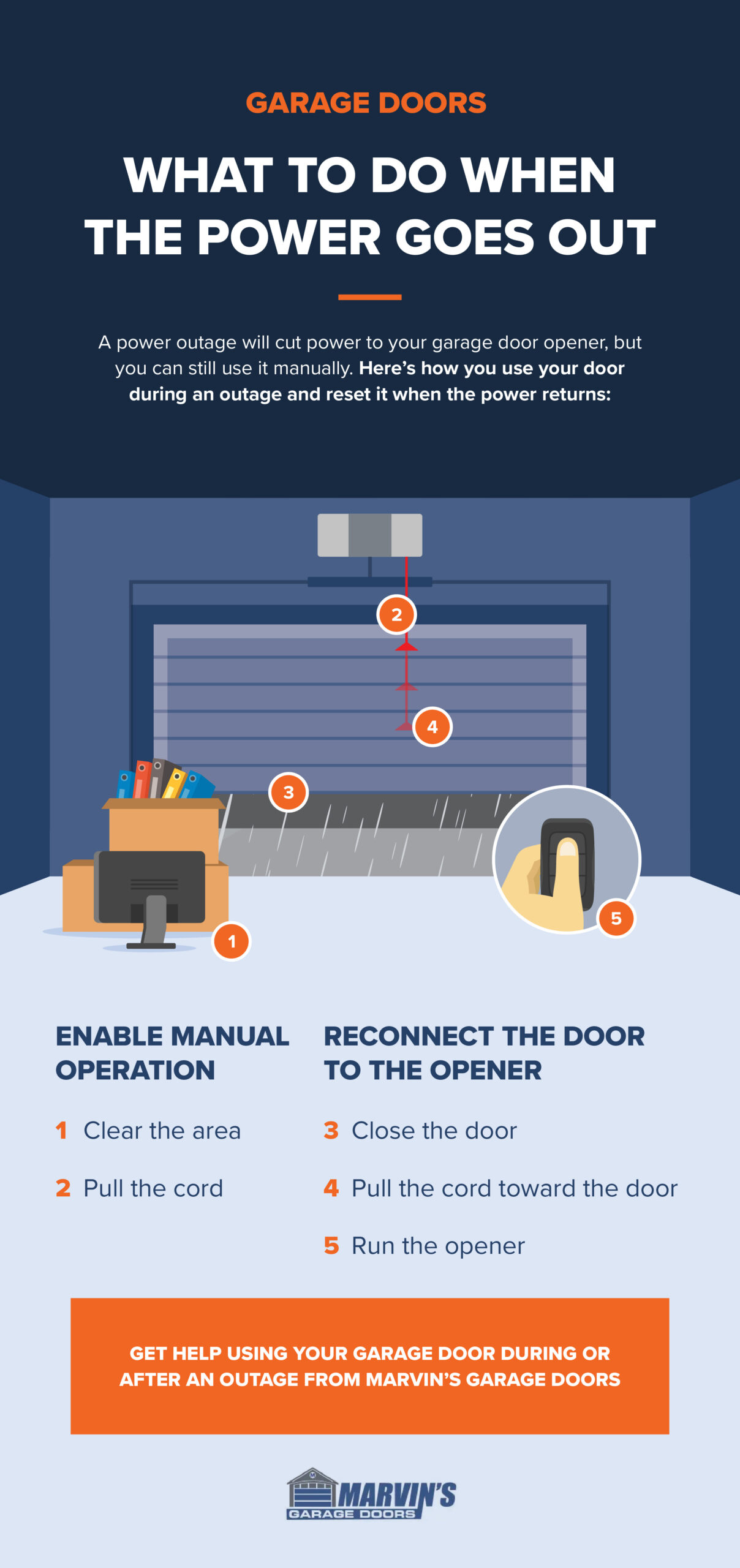
Look up, my friend! You'll spot a red emergency release cord hanging from the trolley mechanism that runs along the track. This isn't just for show; it's your garage door's personal "eject" button from its motor-driven life.

Grab that red handle firmly and pull it straight down and slightly back towards the garage door. You should hear a satisfying click as the trolley detaches from the opener carriage. Congratulations, you've just engaged manual mode!
Fun Fact: This manual release mechanism has been a standard feature for decades, a testament to its simple yet essential design. It’s like the trusty manual crank on an old car – always there when you need it.
Step 2: Manual Maneuver (Getting Hands-On)
Now that the door is disconnected, you can manually lift or lower it. If it feels incredibly heavy, it might indicate an issue with your springs (which are under high tension, so never attempt to adjust them yourself). But for a typical, well-balanced door, you should be able to move it with relative ease. If your door was partially open, gently guide it all the way down to the fully closed position. This is crucial for the next step.
Step 3: Power's Back, Brains Engage (Reconnecting the Dots)
Assuming your power is now back on and stable (no more flickering!), it’s time to reintroduce your garage door to its mechanical master. Make sure the garage door is fully closed before proceeding. This ensures proper alignment and calibration when it reconnects.
Step 4: The Re-Engagement (Listen for the Click!)
There are typically two ways to re-engage your garage door opener:

Method A: The Automatic Nudge (Often the Easiest)
With the door fully closed, simply press your wall button or remote control. In many modern systems, the opener carriage will move and automatically reconnect with the trolley as it comes into contact. If you hear a click and the door starts to move, you're golden!
Method B: The Manual Reconnect (When A Needs a Little Help)
If Method A doesn't work, you'll need to manually re-engage the trolley. Locate the release lever on the trolley/carriage mechanism (it's often the part where the red cord attaches). You'll typically need to push it towards the garage door, or pull it down (like you did with the red cord, but less forcefully, just enough to reset the mechanism) until it locks back into place. You might need to gently push the garage door up or down a hair to help align the components. Again, listen for that satisfying click!
Step 5: The Test Run!
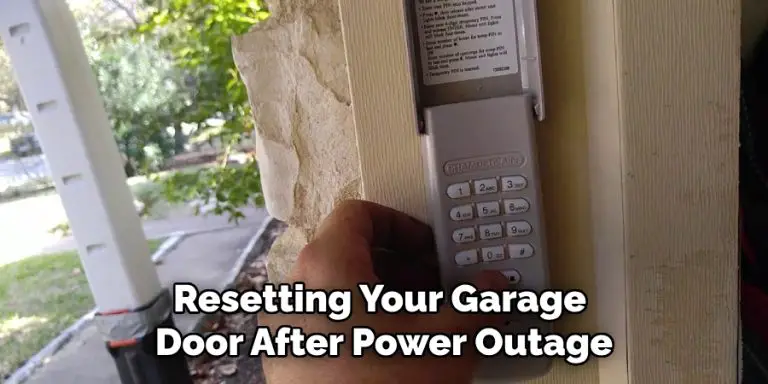
Once you've re-engaged the door, use your remote or wall button to operate it. Watch it open and close. Does it move smoothly? Does it stop precisely where it should? If it opens a few inches and then reverses, it might be detecting an obstruction (check the safety sensors near the bottom of the track) or need a slight adjustment to its force limits, which usually requires consulting your opener's manual or a pro.
A Few Troubleshooting Tidbits
- If your opener still isn't responding, double-check the power. Is the outlet working? Is the circuit breaker for the garage on?
- Don't force anything! If it's not clicking or engaging easily, take a breath, re-read the steps, and consult your opener's specific manual. Sometimes, different brands have slightly different mechanisms.
- When in doubt, there's no shame in calling in a professional. They're like garage door whisperers!
A Small Victory, A Daily Reflection
And just like that, you've triumphed over a minor inconvenience! Your garage door is back in action, ready to serve its purpose. There's something inherently satisfying about fixing something yourself, even if it's just a simple reset. It's a tiny act of resilience in a world full of little glitches.
Much like your garage door needed to disconnect, reset, and reconnect to get back on track, sometimes we do too. A quiet moment, a deep breath, and a gentle re-engagement with our daily routines can often be just the "reset" we need to open smoothly into whatever the day holds. So go ahead, pat yourself on the back, and enjoy the smooth sailing of your now-functional garage door!