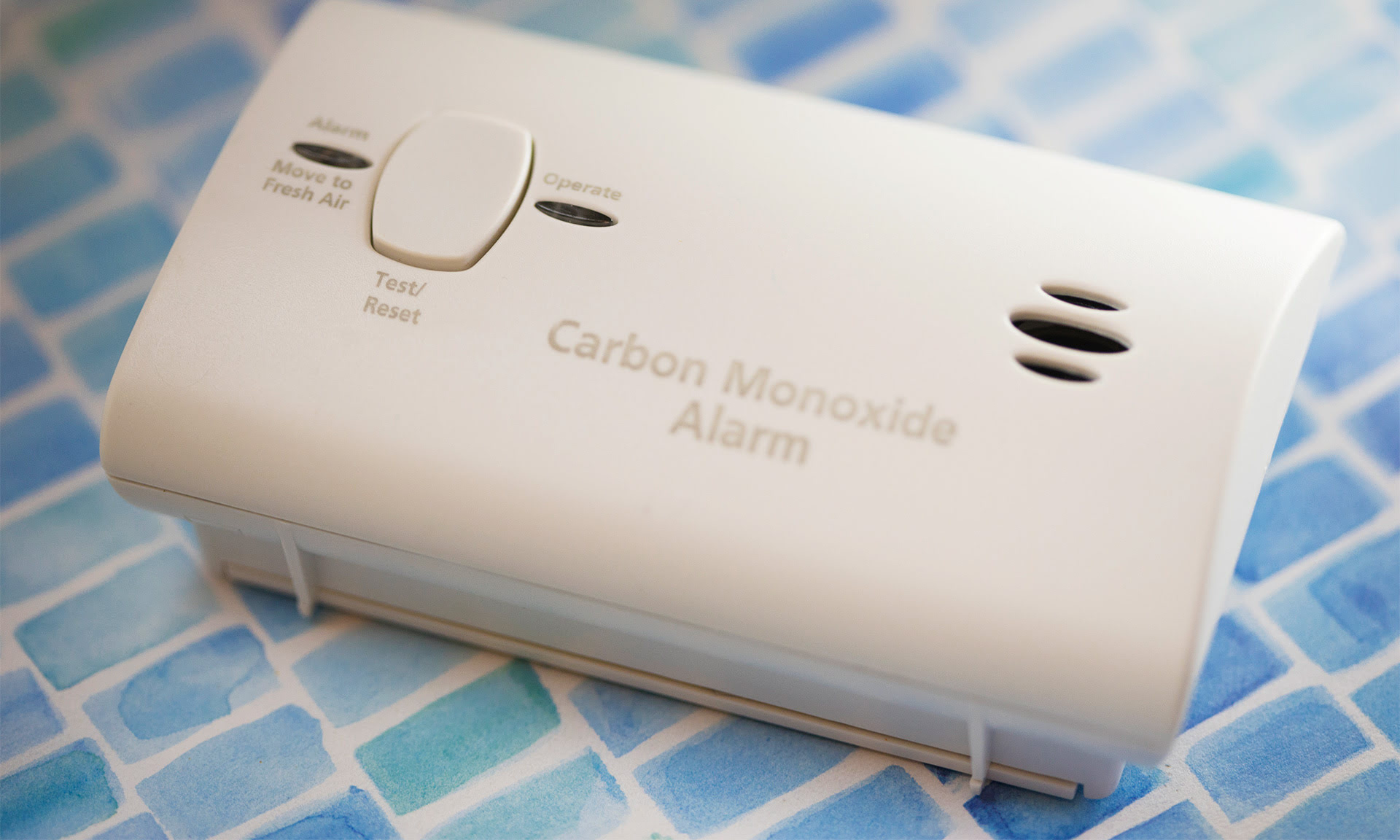
How To Reset Co2 Detector

There's a quiet hero lurking in many modern homes, one that doesn't wear a cape but silently watches over your indoor environment, ensuring your air is as fresh as a daisy. We're talking about the humble, yet incredibly important, CO2 detector. While perhaps not as exhilarating as a new gadget, the peace of mind and enhanced well-being these devices offer are something truly to "enjoy." Think of it: a good night's sleep, improved concentration during your workday, and simply feeling more energetic throughout the day often come down to the quality of the air you breathe. And when this silent guardian needs a little nudge back into action, knowing how to reset your CO2 detector becomes an empowering piece of knowledge.
The primary benefit of a CO2 detector is quite simple: it's your early warning system for stale air. Carbon dioxide (CO2) is a natural byproduct of our breathing, and it can also accumulate from gas stoves or other combustion sources if ventilation is poor. While not acutely toxic in the same way carbon monoxide is, high levels of CO2 can lead to a host of unpleasant symptoms, including drowsiness, headaches, reduced cognitive function, and even disturbed sleep. Imagine trying to focus on a challenging task or enjoy a cozy evening, only to feel inexplicably sluggish. Your CO2 detector helps you avoid this by prompting you to open a window, turn on a fan, or check your ventilation system, ensuring you maintain optimal air quality for health and comfort.
You’ll find CO2 detectors in a variety of settings. In homes, they are becoming increasingly popular, especially in well-sealed, energy-efficient houses where natural ventilation might be limited. They’re invaluable in bedrooms for monitoring overnight CO2 buildup, or in home offices where prolonged periods of concentration are required. Beyond the home, CO2 detectors are vital in schools, offices, meeting rooms, and even grow tents or breweries where CO2 levels can rise significantly due to biological processes. They serve as a constant reminder that fresh air is not just a luxury, but a necessity for peak performance and overall well-being.
Must Read
So, what do you do when your CO2 detector acts up, or after a power outage, or perhaps after a deep cleaning? It’s time for a reset! This is typically a straightforward process, but remember, always consult your specific device's manual first, as models vary. Here are some practical tips to get your air quality guardian back on track:
- Locate the Reset Button: Many detectors have a small, often recessed button labeled "Reset." You might need a pen or a straightened paperclip to press it.
- Press and Hold: Once you've found it, press and hold the reset button for a specific duration, usually around 5-10 seconds. You’ll often hear a beep or see a light flash to confirm the reset.
- Power Cycle (If No Button): If your detector lacks a dedicated reset button, a simple power cycle often does the trick. Unplug the unit (or remove the batteries for battery-operated models), wait about 30 seconds to a minute, and then plug it back in or reinsert the batteries. This often forces the device to recalibrate.
- Check for Alarms: After resetting, ensure any alarms have cleared and the device is back to its normal monitoring state.
- Placement Matters: To enjoy your detector more effectively, ensure it's placed correctly. Avoid putting it directly in front of windows, vents, or heating appliances, as these can affect readings. Place it at breathing height in the rooms you wish to monitor most closely.
- Regular Testing and Cleaning: Beyond resetting, remember to test your detector regularly (most have a test button) and gently clean it with a soft cloth to remove dust, which can interfere with sensors.
Maintaining your CO2 detector is a small effort with a big payoff: a healthier, more comfortable living and working environment. By understanding its purpose and knowing how to perform a simple reset, you’re taking an active role in ensuring your home remains a sanctuary of fresh, breathable air.