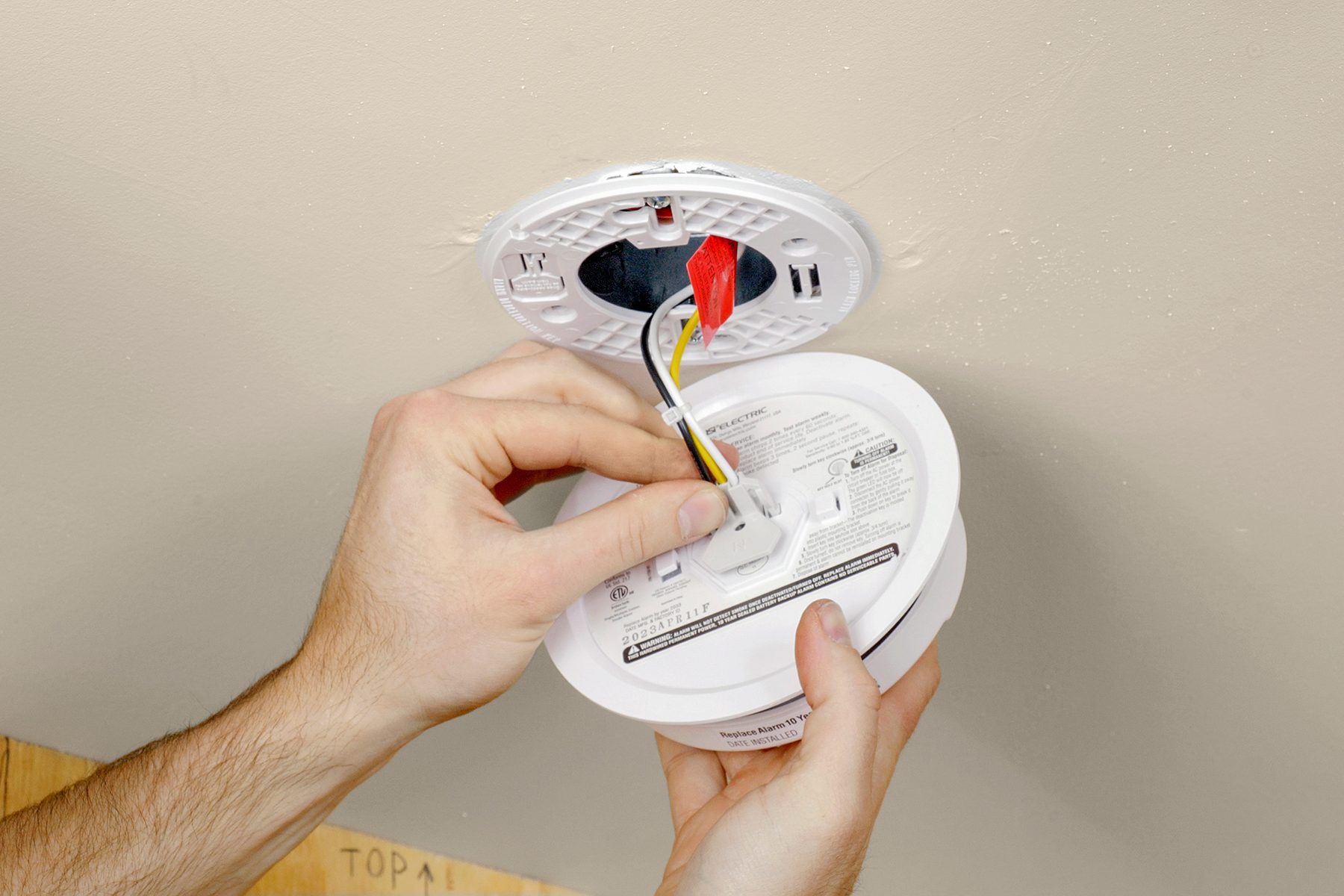
How To Replace Hard Wired Smoke Alarm
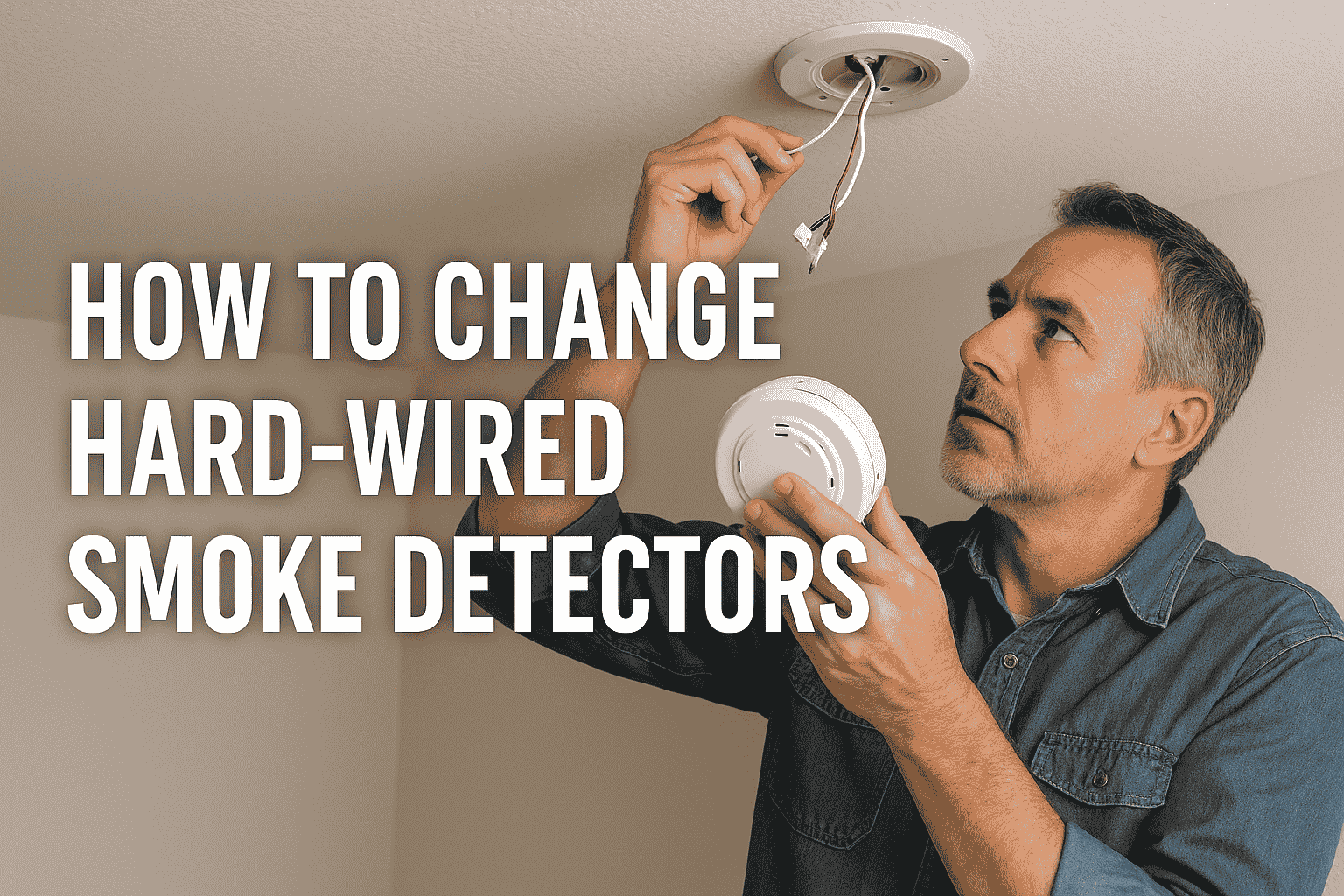
Ever found yourself staring up at a smoke alarm that's making that dreaded, intermittent chirp, knowing it's hardwired and feeling a pang of helplessness? Or maybe you've just realized your current alarms are older than your youngest child and definitely past their prime. Well, guess what? Replacing a hardwired smoke alarm is one of those wonderfully satisfying DIY tasks that’s not only incredibly useful but also surprisingly straightforward. It’s like giving your home a mini-safety upgrade, empowering yourself with a new skill, and silencing that annoying chirp all at once!
This isn't just a job for seasoned electricians; it’s a perfect project for a variety of folks. For beginners, it's an excellent entry point into basic home electrical work. You'll learn fundamental safety procedures and build confidence in tackling other minor repairs around the house, proving that you don't need a professional for everything. For families, the purpose is clear and paramount: safety first! Modern smoke alarms offer enhanced detection capabilities, often with 10-year sealed batteries for backup, meaning less hassle and more reliable protection for your loved ones and your most valuable assets. It brings immense peace of mind. And for the budding home hobbyist, it’s another feather in your cap, a practical skill that saves money and ensures your home's critical safety systems are up-to-date and functioning perfectly.
There are a few variations you might encounter or consider when diving into this project. You could be replacing an old, expired alarm with a like-for-like model, which is usually the easiest swap. Or perhaps you're upgrading to a newer technology, like a photoelectric sensor which is better at detecting smoldering fires, or a dual-sensor model for comprehensive protection. Many people also opt for combination smoke and carbon monoxide (CO) detectors, streamlining your home's safety devices. And for the tech-savvy, there are even smart smoke alarms that connect to your Wi-Fi, alerting your phone if something's amiss, even when you're away. The beauty is that the core replacement process remains largely the same, regardless of the fancy features.
Must Read
Ready to get started? Here are some simple, practical tips. First and foremost, safety is paramount! Your very first step, before touching anything, is to turn off the power to the smoke alarm circuit at your electrical breaker box. Don't skip this. A good tip is to plug a lamp into a nearby outlet and see if it turns off when you flip the breaker – that way, you know you've got the right one. Before disconnecting, take a quick photo of the existing wiring – this is your cheat sheet for hooking up the new one. Most modern alarms come with a new mounting bracket and wiring harness, which means you'll likely replace the entire unit rather than just the head. Always read the manufacturer's instructions for your new alarm; they're your best friend! And finally, once everything is installed and the power is back on, don't forget to test your new alarm to ensure it's working correctly.
So, there you have it! Replacing a hardwired smoke alarm might sound intimidating, but it's a completely achievable and rewarding DIY task. You'll not only enhance your home's safety but also gain a real sense of accomplishment, proving that you're more than capable of tackling those everyday home maintenance challenges. Enjoy the quiet, the safety, and the satisfaction of a job well done!