How To Replace Carbon Monoxide Battery

Ever peeked at one of those mysterious little boxes on your wall or ceiling and wondered what it actually does? Or, more to the point, what to do when it starts beeping at 3 AM with a sound somewhere between an angry bird and a fire engine? Today, let's pull back the curtain on one of the unsung heroes of home safety: the carbon monoxide detector. Learning to replace its battery isn't just a useful skill; it's a small act of empowerment that gives you a deeper connection to your home's well-being.
So, what exactly is this little guardian for? Its purpose is incredibly vital: to detect the presence of carbon monoxide (CO), often called the “silent killer.” CO is a colorless, odorless, and tasteless gas, making it virtually impossible for humans to detect without mechanical help. It’s produced by incomplete combustion in everyday appliances like furnaces, water heaters, gas ranges, or even clogged chimneys. When inhaled, it displaces oxygen in your blood, leading to serious illness or even death. The detector acts as your vigilant watchdog, constantly sniffing the air and sounding an alarm if dangerous levels of CO are present. The benefit? Pure, unadulterated peace of mind, knowing that you and your loved ones are protected from an invisible threat.
In our daily lives, these detectors are everywhere, from apartments to houses, cabins, and even RVs. Understanding how to maintain them is a fundamental aspect of modern home safety. Think about it: every spring and fall, when we adjust our clocks for daylight saving time, it’s a perfect reminder to check your smoke and CO detector batteries. It’s a simple routine, but it has profound implications. In an educational context, this isn't just about changing a battery; it's a practical lesson in preventative safety. You're learning about gas safety, understanding the importance of proper ventilation, and developing a habit of proactive home maintenance. It’s a fantastic opportunity to teach kids about household dangers and how simple actions can ensure everyone's safety.
Must Read
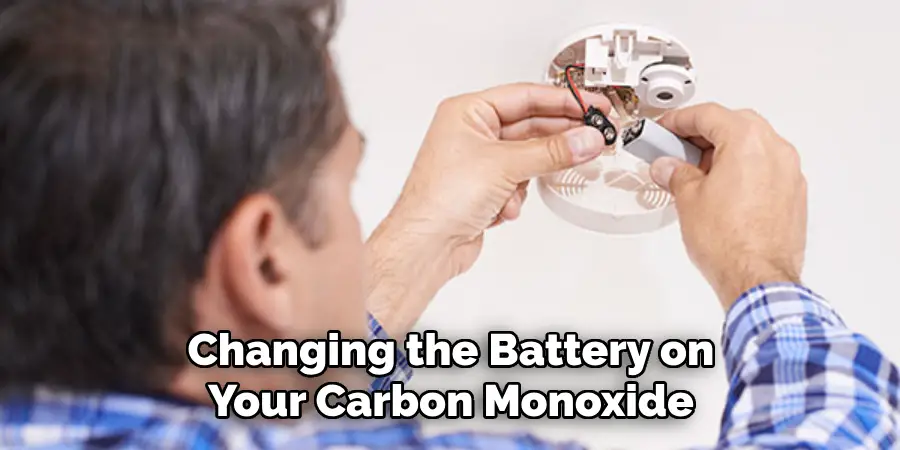
Ready to get your hands a little dirty (not really, just a little finger work)? Here are some practical tips for exploring this vital piece of tech. First, locate all your carbon monoxide detectors. Some might be standalone, others combined with smoke detectors. Take a moment to gently wipe away any dust, as dust can sometimes interfere with their sensors. Next, look for a small battery compartment, usually on the back or side. Most detectors take standard AA, AAA, or 9V batteries. When it chirps, it’s usually signaling a low battery – don’t ignore it! To replace it, simply open the compartment, pop out the old battery, insert a fresh one, and close it up. Then, press the "test" button. This button simulates a CO presence and confirms the alarm is working properly. Most importantly, make it a regular habit. Mark your calendar, set a reminder, or tie it to another routine like your seasonal clock changes. It’s a small effort for a huge reward: the continued, silent protection of your home.