
How To Remove Thermostat Cover To Replace Battery
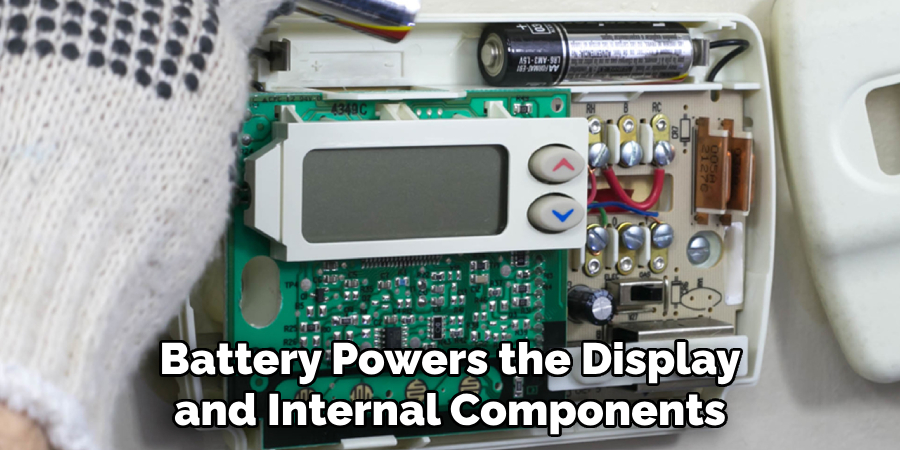
Alright, gather ‘round, my friends, because today we’re tackling one of life’s great, unspoken domestic dramas: the dying thermostat battery. You know the one. That insidious, high-pitched chirp that starts subtly, then grows into a relentless, soul-piercing siren, usually around 3 AM. It’s not your smoke detector (thank goodness!), it’s not a ghost (probably!), it’s your thermostat, gently (or not-so-gently) reminding you that it’s on its last leg. And before you panic and call an HVAC technician, prepare to laugh, because you’re about to become a thermostat battery replacement superhero.
First off, let’s dispel a myth: replacing your thermostat battery is not rocket science. It’s more like, well, changing a battery. But the real challenge? That darn cover. It’s designed to be sleek, unobtrusive, and frankly, a little bit intimidating. It stares at you with its digital eyes, daring you to touch it. But fear not, intrepid home-maintainer, because we’re going to gently, yet firmly, pry open that mystery box and liberate those tired electrons.
The Pre-Op Pep Talk: Tools (or Lack Thereof)
Before you even think about touching that digital sentinel, take a deep breath. You’re ready for this. What tools do you need? Probably just your wits and maybe a small flathead screwdriver. I’ve seen people use butter knives (not recommended, unless you enjoy risking a tiny scratch and the judgment of your inanimate objects), credit cards (surprisingly effective sometimes), or even a very strong fingernail (RIP your manicure). But let’s aim for actual tools, shall we? A jeweler's screwdriver set usually has the perfect little flathead for this delicate operation.
Must Read
Now, a quick, almost unnecessary safety note: some thermostats are hardwired, and some solely battery-powered. If yours is hardwired but also has batteries (they're often a backup), you could flip the breaker to your furnace/AC unit just to be extra cautious. But honestly, for just a battery swap on a modern, low-voltage thermostat, it’s often not strictly necessary. We're not rewiring a house here, just performing a minor, life-sustaining transplant. Still, if you’re ever unsure, better safe than sorry. A quick flip of that breaker won't hurt, and it’ll give you a delightful sense of being a responsible adult for a few seconds.
The Great Cover Conspiracy: How To Pry Without Panicking
Okay, the moment of truth. You’re standing before your thermostat, feeling a mix of apprehension and utter determination. There are generally a few types of covers:
- The Snap-On Savior: This is the most common and, thankfully, the easiest. It usually involves a series of small clips or tabs.
- The Screw-In Sentinel: Less common for battery access, but some older models might have a tiny screw or two at the bottom or sides.
- The Flip-Up Fiasco: Rare, but some have a front panel that simply flips down.
We’re going to focus on the snap-on type, because let’s face it, that’s where the real mystery lies. Look closely at the sides and bottom of your thermostat. You’re searching for tiny indentations, slots, or even a subtle seam. It’s like a secret handshake with your HVAC system.
Once you’ve identified the prime suspects (usually along the bottom edge, sometimes the sides), take your small flathead screwdriver. Position it gently into one of those slots. Now, here’s the trick: this isn’t about brute force. This is about gentle persuasion. You’re not trying to pry it off like a lid on a stubborn pickle jar. You’re trying to subtly disengage the clips.
Apply a slight twist or a very gentle levering motion. You might hear a small, satisfying click or a soft pop. That’s the sound of victory, my friend! Move along to the next slot or seam. Some thermostats have just one primary release point, others have several. You’re essentially popping open the faceplate, not removing the entire unit from the wall. Don't go pulling wires unless you really know what you're doing (and for this task, you absolutely don't need to!).
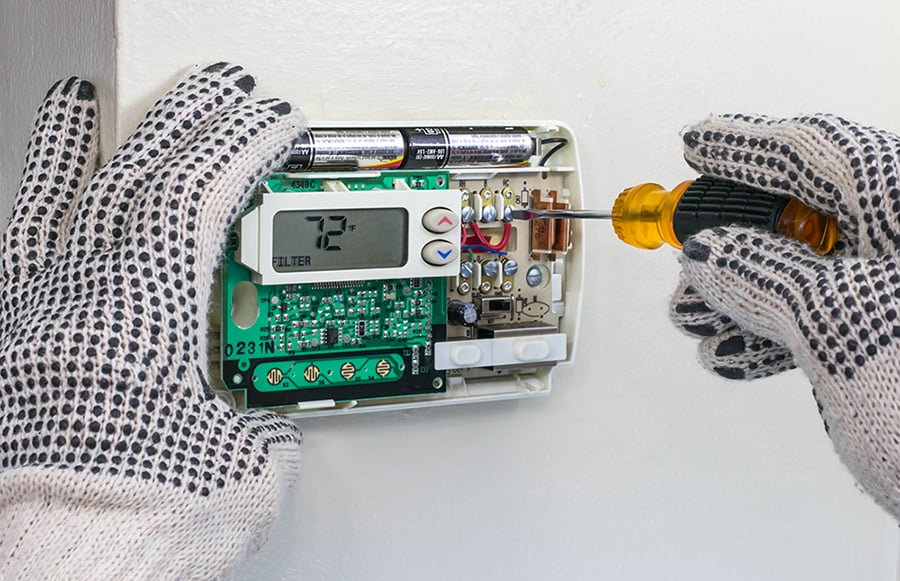
Once you've disengaged all the clips, the front cover should either pivot open like a tiny door or lift straight off. Be prepared for a moment of quiet triumph. You’ve done it! You’ve breached the digital fortress!
The Battery Bounty: Fresh Power for Your Palace
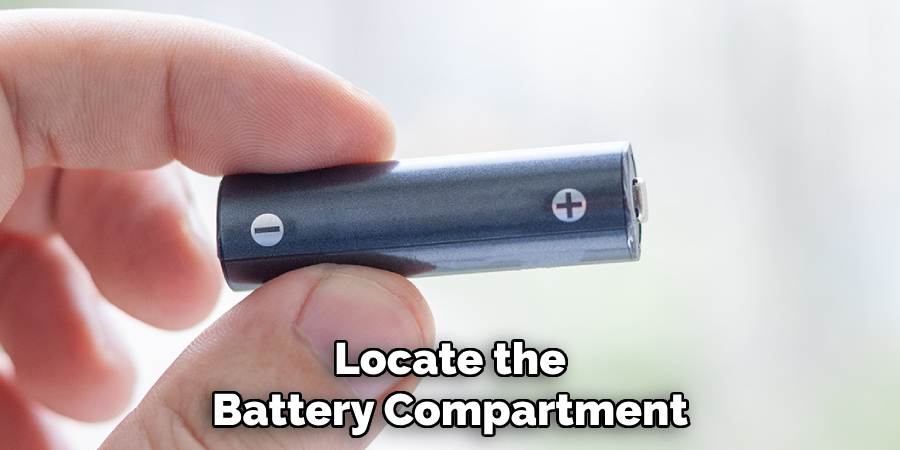
With the cover off, you’ll typically see the battery compartment right there, exposed and ready for action. Most thermostats use AA or AAA batteries. Sometimes, you might find a coin cell (CR2032 or similar), especially in smaller, sleeker models. Take note of the type and how many you need.
Carefully remove the old batteries. Notice their orientation – the positive (+) and negative (-) ends. This is crucial! While most battery compartments are clearly marked, it’s surprisingly easy to forget which way they go in your moment of high-stakes heroism. So, either pay very close attention or, better yet, take a quick photo with your phone. You’ll thank yourself later when you're not cursing in the dark because the screen won't light up.
Pop in the fresh, new batteries. You should feel a satisfying snugness. And here’s the magic moment: often, the screen will instantly flicker to life, beaming a triumphant glow. If it doesn't, double-check your polarity. If it still doesn't, well, did you remember to buy fresh batteries? (It happens to the best of us).
The Grand Finale: Reassembly and Reigning Supreme
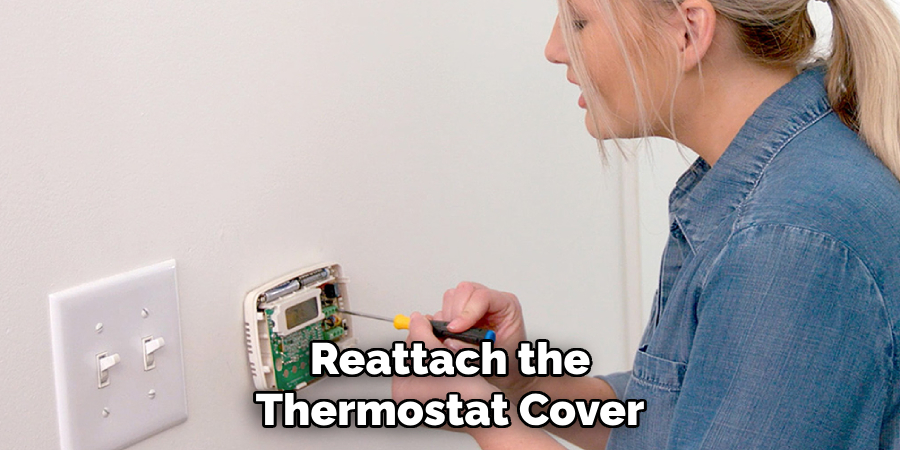
Now for the satisfying conclusion: putting that cover back on. Align the cover carefully. There might be small tabs at the top that slide into corresponding slots on the main unit first, or it might just click straight on. Gently push the cover back into place. You should hear those lovely, confirming clicks as the clips re-engage. Give it a gentle wiggle to ensure it’s secure.

And just like that, you’ve conquered the chirping menace. Your thermostat is alive, well, and ready to regulate your climate with renewed vigor. You’ve saved yourself a service call, you’ve learned a valuable life skill, and you’ve emerged victorious in the battle against dead batteries.
So next time that insidious chirp starts, don't despair. Don’t panic. Just grab your tiny screwdriver, take a deep breath, and remember your training. You’re no longer just a homeowner; you’re a thermostat whisperer, a master of the domestic arts, and a true hero in the silent, unassuming world of home maintenance. Go forth and enjoy your perfectly regulated climate, you magnificent human!