
How To Remove Gold Lettering From Leather Bible
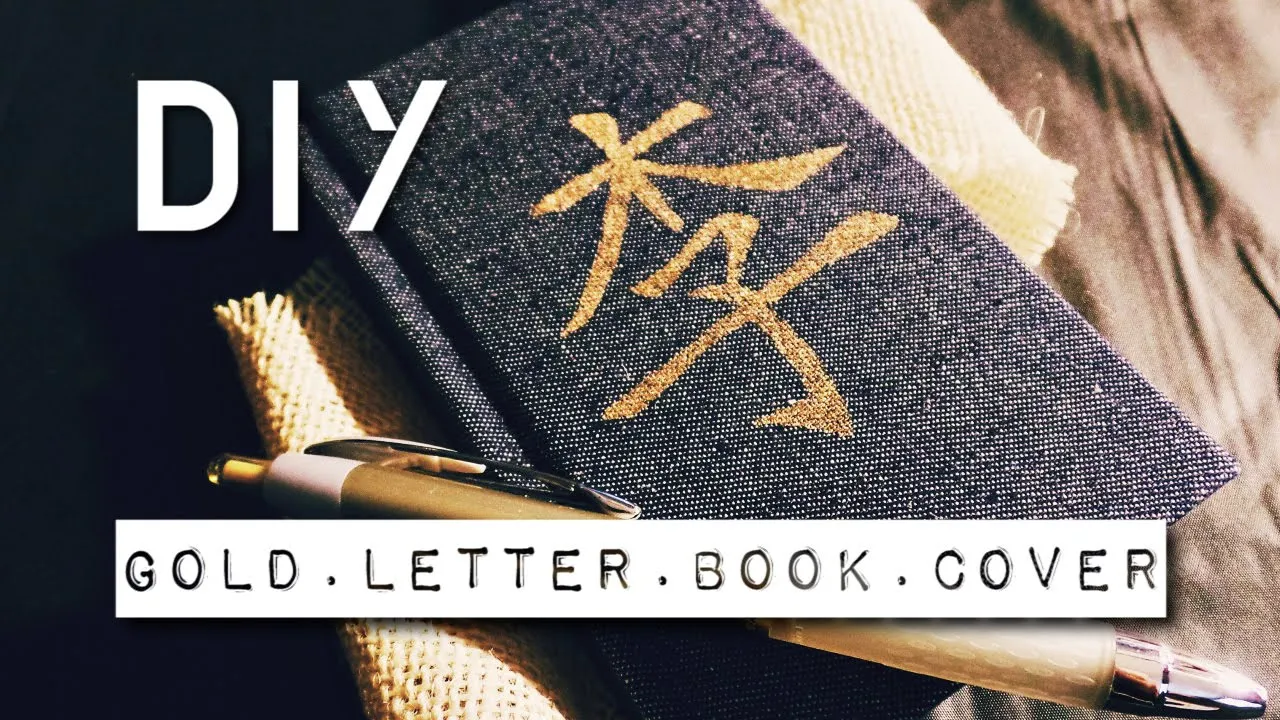
Hey there, curious minds! Ever looked at an old leather Bible with gold lettering and thought, "Hmm, I wonder if I could get rid of that?" Maybe you're a bookbinding enthusiast, a crafty DIY-er, or just someone who likes to tinker. Whatever your reason, removing gold lettering from leather can be a super interesting project. It's a bit like being an archaeologist, carefully uncovering the past (or in this case, the original leather surface!).
Why would you even want to remove gold lettering? Well, maybe you're restoring a vintage Bible and the lettering is chipped or faded. Or perhaps you're planning to personalize the cover with your own design. Think of it like taking a classic car and giving it a custom paint job – same soul, new look!
The Gentle Approach: Patience is Key
Before we dive in, let's be clear: this isn't a race. Leather is a natural material, and you don't want to damage it. Imagine trying to remove a sticker from a priceless painting – you wouldn't just rip it off, would you? So, let's talk about some gentle methods.
Must Read
One popular technique involves using a very mild solvent. We're talking about things like isopropyl alcohol (rubbing alcohol) or even just plain old water. The key is to apply it sparingly with a soft cloth or cotton swab. Think of it like coaxing the gold lettering off, not blasting it away.
Dab the solvent onto the gold lettering and let it sit for a very short time. Then, gently rub the area with a clean part of the cloth. Repeat this process, checking frequently to see if the lettering is lifting. It's a bit like peeling an onion, layer by layer.

Why this works? The solvent helps to break down the adhesive that's holding the gold leaf onto the leather. Remember, though, different types of gold lettering and adhesives will react differently. So, test a small, inconspicuous area first!
Heat It Up (Carefully!)
Another method involves using a bit of heat. A heat gun (used for crafts) or even a hairdryer can be helpful. The idea is to soften the adhesive without scorching the leather. Again, proceed with caution! Think of it like warming up cookie dough to make it easier to mold – you want it pliable, not burnt.

Hold the heat source a few inches away from the leather and move it in a sweeping motion. You don't want to concentrate the heat in one spot. After a few seconds, try gently rubbing the gold lettering with a soft cloth or a rubber eraser.
Important Note: Leather is sensitive to heat. Overheating it can cause it to dry out, crack, or even shrink. Always test a small area first, and err on the side of caution.
The Mystery of the Adhesive
The type of adhesive used to apply the gold lettering can make a big difference in how easy it is to remove. Some adhesives are water-based, while others are solvent-based. Some are incredibly strong, while others are more delicate. It's like trying to guess the secret ingredient in your grandma's famous cookies – you might never know for sure!

That's why experimentation is key. Try different methods and see what works best for your particular Bible. And remember, patience is your friend. Don't rush the process, or you risk damaging the leather.
After the Gold is Gone
Once you've successfully removed the gold lettering, you might notice some residual adhesive or discoloration on the leather. Don't panic! You can often remove these with a leather cleaner and conditioner. These products will help to restore the leather's natural oils and protect it from damage.

Think of it like giving your skin a good moisturizing treatment after a day in the sun. It helps to rehydrate and protect it.
And finally… consider consulting a professional bookbinder or leather restorer. They have the experience and tools to remove gold lettering safely and effectively, especially if the Bible is valuable or antique. It's like hiring a mechanic to fix your vintage car – sometimes it's best to leave it to the experts!
Removing gold lettering from a leather Bible can be a rewarding project. It's a chance to learn about bookbinding, leatherworking, and the art of restoration. Just remember to take your time, be patient, and always test your methods first. Happy tinkering!