
How To Read A Carbon Monoxide Detector
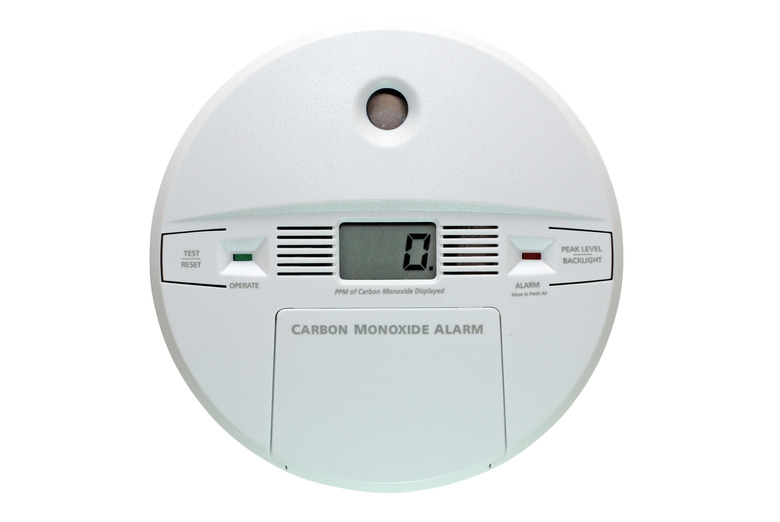
Alright, let's chat about your carbon monoxide detector! This unassuming little box on your wall is like a superhero in disguise, sniffing out an invisible villain and keeping your home safe. But when it speaks, what exactly is it trying to tell you? It’s simpler than deciphering your teenager's text messages, I promise!
Your Home's Invisible Nose: The All-Clear Signal
Most CO detectors are quite modest, often a small, white rectangle with a few lights. If you see a steady green light winking at you, or a digital screen proudly displaying a big, beautiful 0 PPM (that's parts per million, but don't sweat the science!), then congratulations! Your home is breathing easy. That green light and zero are your detector's way of giving you a solid thumbs-up, saying, "All clear, sunshine! No silent killer gases today." It’s the ultimate "everything’s fine" signal, like getting a high-five from your super-reliable, unblinking guardian.
When Your Detector Gets Chatty: Chirps and Beeps
Now, for the moments when your quiet guardian decides it needs your attention. This is when it transforms from a stoic sentry to a chatty friend, warning you about something you can't see, smell, or taste.
Must Read
The Gentle Reminder: A Chirp or Occasional Beep
"Hear a lonely little 'chirp' every 30-60 seconds? That's not the ghost of a forgotten toy, that's your CO detector begging for a new battery!"
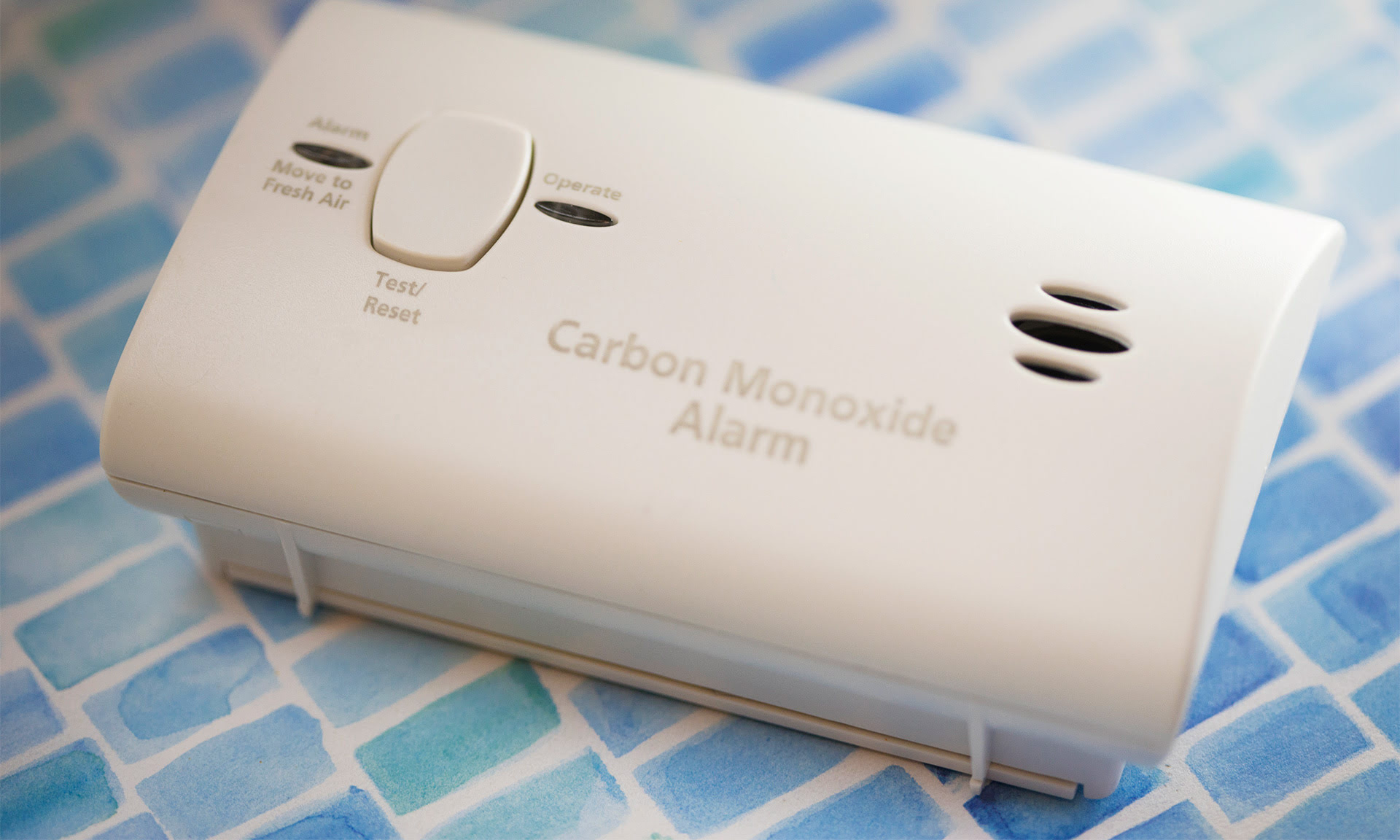
Just like your smoke detector, a carbon monoxide detector will chirp to warn you about a low battery. It's usually a single, sad little peep. Swap in some fresh batteries, and your hero is back to full power. If it’s chirping persistently even with new batteries, or making a different, regular signal, it might be telling you it’s reached its end-of-life (most last 5-7 years). Time for a new one!
The "Attention, Please!" Alarm: The Loud, Urgent Beep-Beep-Beep!
This is the big one. If your CO detector lets out a series of loud, rapid beeps – usually four quick beeps, followed by a pause, then four more beeps – it's not crying wolf. It’s yelling, "Houston, we have a problem!" This distinct sound is designed to grab your attention immediately. Do not ignore this! This means it has detected potentially dangerous levels of carbon monoxide.
Decoding the Digital Display: The Numbers Are Your Clues!
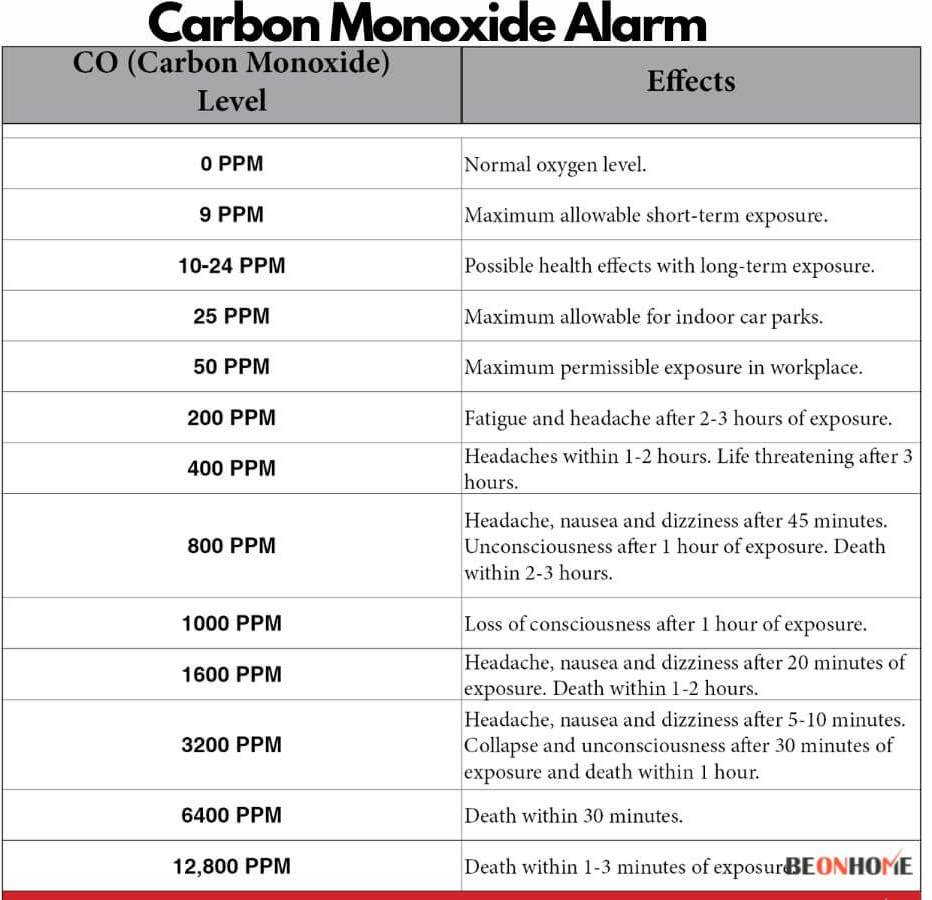
So, your alarm is blaring. What next? Look at the little screen! Those numbers represent the PPM (parts per million) of carbon monoxide it’s detected. Think of it as a tiny, invisible scoreboard for how much CO is in your air. Here's your super-simple guide:
-
0-9 PPM: "Chill, it’s just background noise."
If your alarm isn't blaring and you see these numbers, it’s generally normal. Your detector is just doing its job, sniffing around. It’s like finding a single dust bunny in a sparkling clean house – technically there, but nothing to stress over.
Building Code Requirements For Carbon Monoxide Detectors at Valerie -
10-30 PPM: "Hold up, something's not quite right here."
If your detector alarms at these levels, it's a gentle but firm warning. This might indicate an appliance issue or a ventilation problem. It’s your detector saying, "Time to investigate!" Your immediate action: Open windows and doors to ventilate! Then, calmly check your fuel-burning appliances (furnace, water heater, gas stove). If the numbers don't drop quickly, or they reappear, it's time to call a professional for a look.
How to Test Carbon Monoxide Detectors -
35+ PPM: "RED ALERT! GET OUT, NOW!"
This is the critical moment. Numbers at 35 PPM or higher, especially if they’re climbing, indicate dangerous levels of CO. Do NOT try to find the source. Do NOT try to ventilate your home from the inside. Your first and only job is to get everyone (including pets!) out of the house immediately and into fresh air. Once you're safely outside, call 911 or your local emergency services. This is not a drill; it’s your detector literally saving lives!
"When the numbers hit 35 or above, remember this golden rule: Evacuate first, then call for help!"
So there you have it! Reading your carbon monoxide detector is about understanding a few simple signals that can make all the difference. It's your home's unsung hero, quietly ensuring your safety. Give it a quick check now and then, keep its batteries fresh, and rest easy knowing it's always on duty, protecting you and your loved ones from that invisible threat. You're now a CO detector reading pro!
