How To Put Out Different Types Of Fires

Hey there, ever had one of those moments where a tiny flicker of flame makes your heart do a little samba? You know, when a candle gets a bit too ambitious, or that innocent-looking toast decides to go full charcoal? Yeah, that feeling. It's totally normal to feel a bit panicked, but guess what? You don't have to just stand there staring, wondering if your life is about to turn into a dramatic movie scene. We're gonna chat about how to be a total fire-fighting superstar, without, you know, actually being a firefighter. Think of this as your secret handshake to becoming slightly less panicky when things get hot.
First things first, and this is super important, like, "don't skip leg day" important: If a fire is bigger than a small wastebasket, growing rapidly, or you just feel uncomfortable, get out and call 911! Seriously, be a hero, but also, be smart. Your life, and your home, are worth more than trying to tackle a blaze solo that needs the pros. Got it? Good. Now, let's talk about the smaller stuff.
The "Oops, My Toast is on Fire!" Fires (Class A)
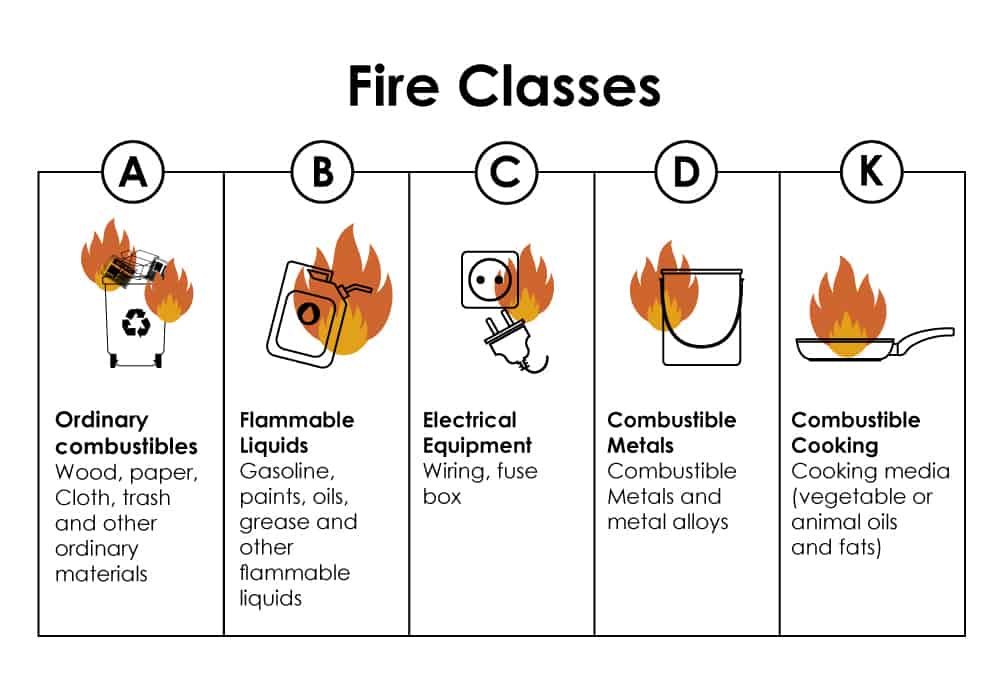
Okay, so you've got your run-of-the-mill fire. We're talking about things like paper, wood, cloth, trash cans, or that rogue kitchen towel that decided to get too close to the stove. Basically, anything that leaves an ash. These are your Class A fires. They’re common, they’re usually not too scary when small, and they have a pretty straightforward solution.
Must Read
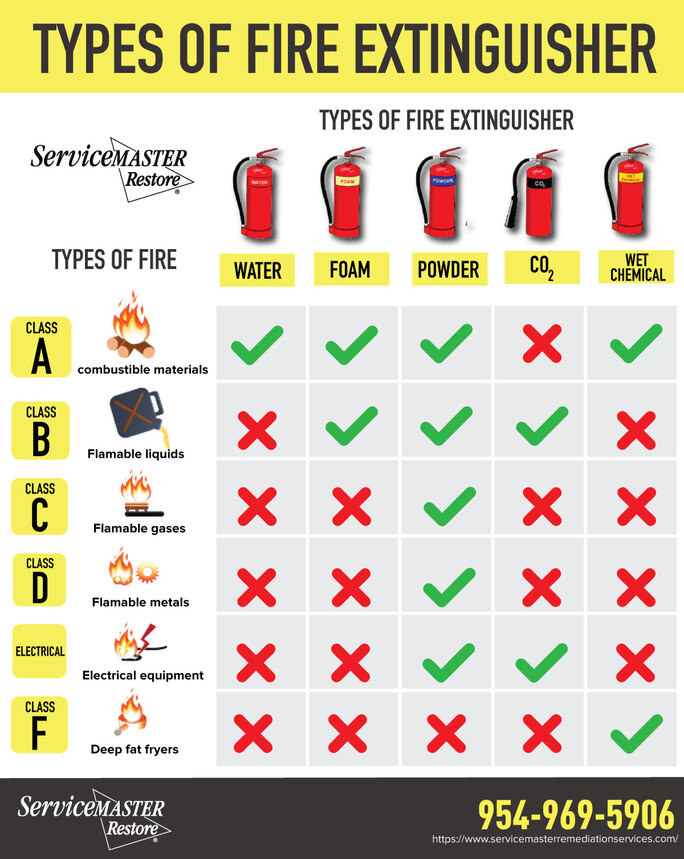
For these guys, your best friend is often... drumroll please... water! Yep, good old H2O. A bucket of water, a quick dash to the sink with the burning item (if it's safe to move!), or even a wet towel can often do the trick. Just douse it! Extinguishers for Class A fires are typically marked "A" or "ABC". So, if you's got a small paper fire, grab that cup of coffee (empty it first, obviously!), fill it with water, and let 'er rip. But remember, only if it's small and safe!
The "Grease Lightning!" Fires (Class B & K)
Now, this is where things get a little spicy, and by spicy, I mean do not, under any circumstances, use water. We're talking about Class B fires, which are flammable liquids like gasoline, oil, paint, or solvents. And a super common one that deserves its own special shout-out is Class K fires – those are your cooking oils and fats, like if your deep fryer decides to throw a party without you.
Got a grease fire on the stove? Your instinct might scream "WATER!", but resist! Water will just spread the burning liquid and make things way, way worse. Like, "flames on the ceiling" worse. Instead, you need to smother it. If it’s a pan on the stove, carefully slide a lid over it. No lid? A metal baking sheet can work. Cut off the oxygen, and poof, no more fire.
If it's a bigger liquid fire (and again, if you can do it safely!), a Class B or ABC extinguisher is your hero here. For those pesky kitchen oil fires (Class K), there are specific "wet chemical" extinguishers designed just for them. But honestly, for most home kitchen grease fires, smothering is your first, best bet. Turn off the heat source too, if you can reach it safely!
The "Sparky, Sparky, Boom!" Fires (Class C)
Ever seen sparks fly from an overloaded outlet or a dodgy appliance? That's an electrical fire, our friend Class C. And just like with liquid fires, water is your enemy here! Why? Because water conducts electricity, and combining water with live electricity is a recipe for a very, very bad day (think electrocution!).

The absolute first thing you need to do with an electrical fire, if it’s safe to do so, is to cut the power! Unplug the appliance, or flip the circuit breaker. No power, no electrical fire. Once the power is off, it might even put itself out. If not, and it’s still burning, it essentially becomes a Class A fire, but it’s still best to use a Class C or ABC rated extinguisher. These use non-conductive materials like carbon dioxide or dry chemical powder, which won't give you a nasty shock.
The "Wait, Metals Can Burn?" Fires (Class D)
Okay, this one is probably less likely to happen in your living room, unless you're, like, an amateur alchemist or something. We're talking about Class D fires, which involve combustible metals like magnesium, titanium, or potassium. These are super rare in a household setting and require very specific dry powder extinguishers. Don't even think about water or a regular extinguisher – you'll just make things worse, potentially causing an explosion. If you ever encounter one of these, seriously, just back away slowly and call the pros. It's not worth becoming part of a science experiment gone wrong.

General Wisdom & The "P.A.S.S." Word
No matter the fire type, always make sure you have working smoke detectors and an escape plan. Seriously, practice it! And if you ever have to use a fire extinguisher (the portable kind, not the big industrial ones), remember the acronym P.A.S.S.:
- Pull the pin.
- Aim the nozzle at the base of the fire.
- Squeeze the handle.
- Sweep from side to side.
Aim for the base of the fire, not the flames themselves. That's where the fuel is!
So there you have it! A quick, friendly lowdown on fire types and how to tackle them (safely, of course). Remember, prevention is always better than cure, so keep your space tidy, don't overload outlets, and keep an eye on those candles. But if a little fire decides to pop up, you're now armed with some knowledge that could totally save the day. You're basically a low-key superhero now. Go forth and be awesome! (And safe!)