
How To Press Bearing Without Press
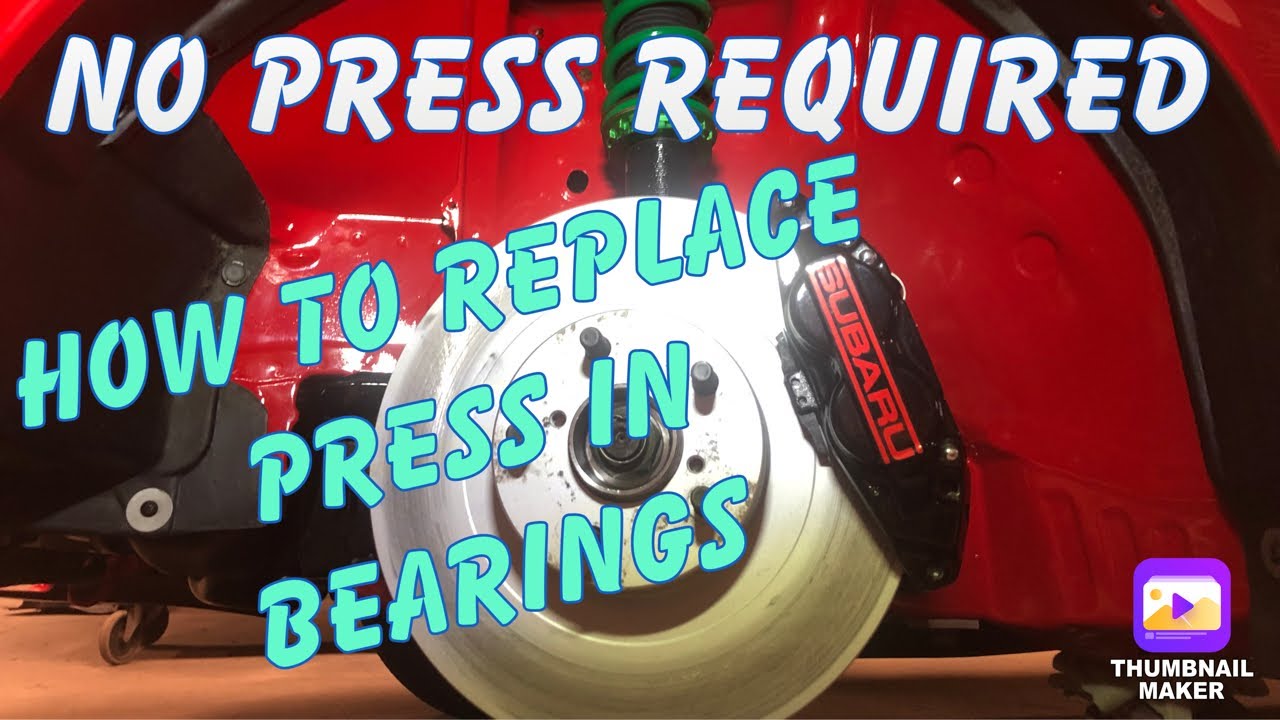
Let's face it, the world of tools can be intimidating. We often imagine needing specialized (and expensive!) equipment for even the simplest tasks. But what if I told you that you could press a bearing – something that sounds incredibly technical – without a dedicated bearing press? It's a bit of a DIY adventure, and trust me, it's more accessible (and fun!) than you think. Whether you're fixing up a bike, tinkering with a skateboard, or just trying to save a few bucks, learning how to press a bearing without a press is a seriously handy skill.
Why bother learning this, you ask? Well, for the beginner, it's about empowerment. It’s taking control of your repairs and realizing you don’t always need to rely on professionals (or that intimidating guy at the auto parts store). For families, think about saving money on bicycle maintenance or skateboard repairs. A simple bearing replacement, done yourself, can extend the life of a kid's favorite toy. And for the hobbyist, it's about expanding your toolkit of knowledge and embracing a more resourceful approach to projects. It's the joy of figuring things out and getting your hands dirty!
So, how do we do it? The key is understanding the principle: applying controlled force evenly. A common method involves using sockets and a vise. Select two sockets – one that's slightly smaller than the outer diameter of the bearing and another that's slightly larger. Position the smaller socket against the bearing you want to press in or out, and place the larger socket on the opposite side to receive the bearing. Then, carefully tighten the vise, ensuring the pressure is applied squarely. No vise? Don't panic! A sturdy C-clamp can also work, although you might need to be extra cautious about keeping everything aligned.
Must Read
Another variation involves using a hammer and a piece of wood. This method is a bit more… percussive. Again, ensure you have a piece of wood that's slightly smaller than the outer diameter of the bearing. Place the wood against the bearing and gently tap it with a hammer. Gentle is the keyword here! You're not trying to demolish anything; you're applying controlled force. Rotate the wood slightly after each tap to ensure even pressure.

Here are some simple, practical tips to get you started:
- Safety first! Wear safety glasses to protect your eyes.
- Lubricate! A little bit of grease or oil can make the bearing move much more easily.
- Go slow! Don't try to force anything. If it's not moving, reassess your setup.
- Check alignment! Misalignment is the biggest cause of problems. Make sure everything is straight and true.
- Use the right tools! While you're not using a bearing press, using the correct size sockets or wood is crucial. Don't improvise with something completely unsuitable.
Pressing a bearing without a press might seem daunting at first, but with a little patience and the right approach, it's entirely achievable. It's a rewarding experience that not only saves you money but also builds your confidence and resourcefulness. So, give it a try! Embrace the challenge, learn something new, and enjoy the satisfaction of a job well done. The feeling of accomplishment is well worth the effort, plus you can brag to your friends about your newfound DIY skills!


