
How To Open Carbon Monoxide Alarm To Replace Battery

Ever been minding your own business, perhaps enjoying a quiet evening, when suddenly… chirp, chirp, chirp! Not a bird, not a digital pet, but that familiar, insistent, and slightly alarming sound of your carbon monoxide alarm begging for attention. It’s like your house is trying to tell you something important, isn't it?
Most of us just want that noise to stop, and fast! Our immediate thought is often, “Ugh, another thing to deal with.” But what if we told you that opening up your carbon monoxide alarm to replace its battery isn't just a chore, but actually a pretty cool, mini-adventure right there in your own home? It’s a chance to peek behind the curtain of an everyday guardian and understand it just a little bit better.
Your Home's Tiny Guardian: A Closer Look
Think about it: this little device is a silent sentinel, constantly on guard against an invisible, odorless, and utterly dangerous gas. It's like a secret agent, always alert, until its power source starts to dwindle. And then, it throws a bit of a tantrum – that persistent chirp – to let you know it needs a refill. Instead of dreading it, why not approach it with a sense of curiosity?
Must Read
When that chirping starts, it’s not just annoying; it’s an invitation. An invitation to be a proactive homeowner, a savvy problem-solver, and maybe even a bit of a tech whisperer. You're not just silencing a noise; you’re re-energizing a life-saving device. How cool is that?
The Great Battery Hunt: It's Like Finding a Secret Compartment!
So, you’ve got the chirping alarm in your hand. First, take a moment to appreciate its design. It's usually fairly compact, unassuming, and sometimes even blends into the wall. But somewhere on this little gadget, there's a secret door. A battery compartment! Finding it is the first step in your domestic quest.
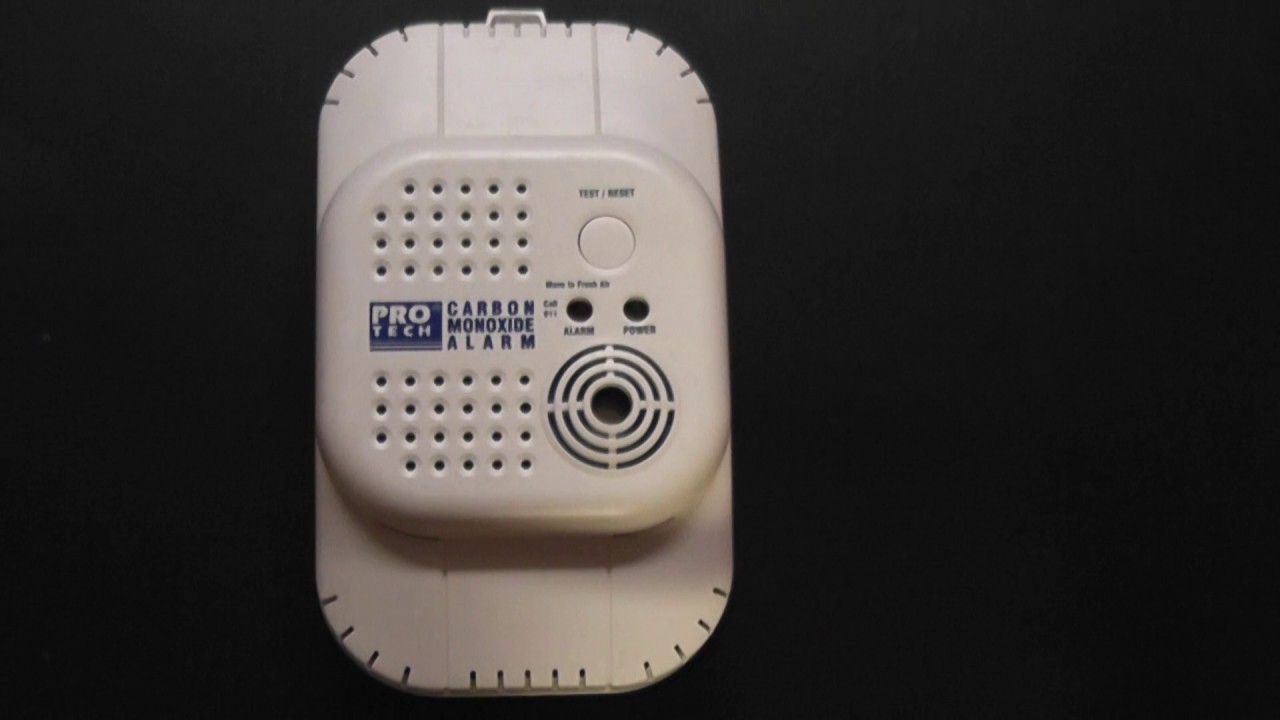
Most carbon monoxide alarms are designed to be user-friendly, because, well, they're meant to be maintained by regular folks like us! You're looking for a tab, a latch, a slider, or sometimes, a small screw. It’s a bit like solving a mini puzzle. Run your fingers along the edges, look for subtle arrows, or tiny engraved symbols. Is there a small indentation that looks like it's begging for a fingernail or the gentle nudge of a flathead screwdriver?
Sometimes, the entire back panel twists off, like opening a jar. Other times, it's a simple sliding mechanism. It's often located on the back or side, cleverly hidden to keep the device looking sleek. Don’t be afraid to gently explore! This isn't brain surgery; it’s just opening a piece of household equipment. And when you find it, there's a real sense of "Aha!" It’s like finding the hidden lever in an old-school adventure game.
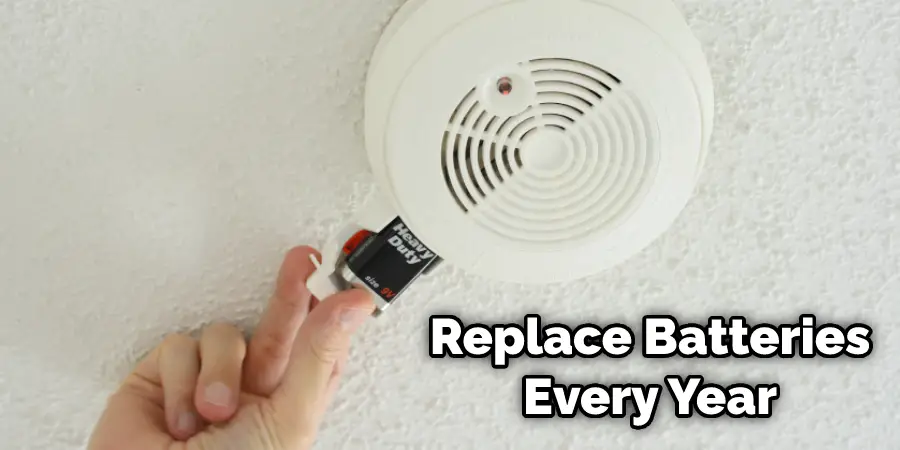
The Reveal: A Tiny Power Hub
Once you've successfully cracked the code and opened the compartment – pat yourself on the back, you little detective! – you'll usually be greeted by the sight of a familiar battery. Often, it's a standard AA or AAA, sometimes a 9-volt, or even a special long-life lithium battery. It's really not much different from changing the batteries in your TV remote or a child's toy, is it?
Carefully note which way the old battery is oriented. Most compartments have little diagrams (+ and - symbols) to guide you. Pop out the old, exhausted battery – the one that's been working so hard for you! – and slide in a fresh, new one. Feel that sense of renewed power, knowing you're giving your guardian a whole new lease on life.

Now, close it all back up. Does it click satisfyingly into place? Does the latch feel secure? This is the moment where everything comes together, and you've successfully completed your mission. You've just performed a vital act of home maintenance with your own two hands!
The Grand Finale: A Test of Triumph!
Before you pat yourself on the back too vigorously, there's one more crucial step: testing it. Most carbon monoxide alarms have a “Test” button. Press and hold it. You should hear a loud, clear alarm – sometimes a series of beeps, sometimes a voice announcement. This isn't the gentle chirp; this is the full-blown, "danger ahead!" sound. It’s loud, it's clear, and it confirms that your work was a success.

Hearing that alarm after you've changed the battery isn't just about verifying functionality; it’s about experiencing the peace of mind that comes from knowing your home is protected. You’ve not only stopped an annoying chirp, but you’ve also ensured the safety of your loved ones for months, or even years, to come. That’s pretty profound, isn't it?
Why It's More Than Just a Battery Change
So, the next time that little chirping starts, don't just groan. See it as an opportunity. An opportunity to engage with your home, to understand its vital systems, and to perform a simple, yet incredibly important, act of maintenance. It's a moment to be curious, to be proactive, and to feel that satisfying swell of accomplishment.
Opening your carbon monoxide alarm isn't just about replacing a battery; it’s about connecting with your home, empowering yourself with a little bit of knowledge, and knowing that you're keeping a vigilant watch over your home's unseen threats. It’s a small task with a massive impact, and that, we think, is pretty darn cool.