How To Measure Power Consumption Of A Device

Ever looked at your electricity bill and wondered, "Where did all that energy go?" It's a common mystery, but one that's surprisingly fun and easy to solve! Diving into how to measure the power consumption of your devices isn't just for tech geeks or penny-pinching Scrooges; it's a fascinating journey into understanding your home's energy footprint. Think of it as becoming a super sleuth for your sockets, uncovering the truth about which gadgets are quietly chugging power and which are surprisingly efficient. It's popular because energy costs are always a topic of conversation, and being able to identify energy hogs can lead to real savings and a greener lifestyle. Plus, there's a certain satisfaction in knowing exactly what's what!
The beauty of power measurement is how it benefits a wide range of people. For beginners, it's an eye-opening introduction to how much electricity everyday items truly use. You might be shocked to learn that your always-on gaming console or old refrigerator is costing you more than you imagined! For families, it's a powerful tool for budgeting and making informed decisions. Is it time to upgrade that ancient, energy-guzzling appliance? Tracking consumption can provide concrete answers, helping you choose more efficient models that save money in the long run. And for hobbyists or home improvement enthusiasts, it's all about optimization. Whether you're setting up a home server, designing an off-grid system, or just want to minimize your carbon footprint, precise measurements are your best friend for maximizing efficiency and minimizing waste.
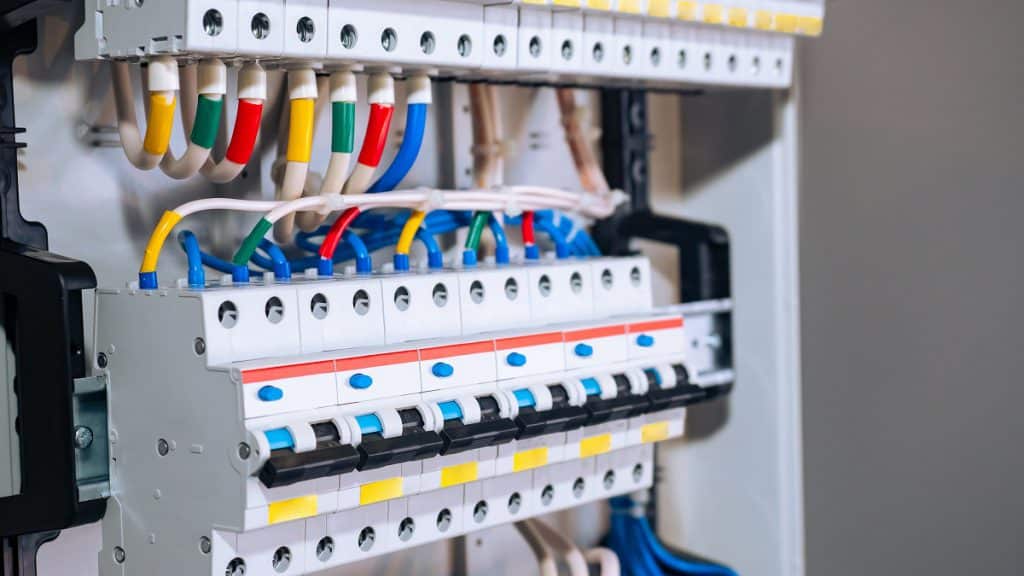
So, how do you actually do it? The simplest and most popular method involves a plug-in power meter, often affectionately called a "Kill-A-Watt" after a popular brand. This handy gadget acts as an intermediary: you plug your device into the meter, and then plug the meter into the wall socket. Instantly, it displays real-time data like watts (how much power it's drawing right now), volts, amps, and most importantly, kilowatt-hours (kWh), which is what your utility company charges you for over time. Other variations include smart plugs with built-in energy monitoring, which connect to an app and allow you to track usage remotely and over longer periods. For the truly dedicated, whole-home energy monitors can be installed in your breaker panel to give you a comprehensive overview of your entire house's consumption.
Must Read
Ready to start your energy detective work? Here are some simple, practical tips. First, get a good plug-in meter. They're affordable and incredibly user-friendly. Second, don't just measure devices while they're actively working; also check their standby power (often called "phantom load" or "vampire drain"). Many electronics consume power even when turned off but still plugged in! Third, tackle your biggest appliances first – refrigerators, washing machines, and large TVs are often prime suspects. For appliances that cycle on and off (like fridges), leave the meter plugged in for 24 hours to get an accurate daily consumption figure. Finally, use your electricity bill to find your utility's cost per kWh; then you can easily calculate how much that device is truly costing you.
Measuring power consumption is more than just a chore; it's an empowering journey of discovery. It gives you concrete data to make smarter choices, save money, and contribute to a more sustainable planet. There's a genuine satisfaction in uncovering an energy guzzler and then finding a way to reduce its impact. So go ahead, plug in that meter, and enjoy the valuable insights that come with understanding your home's energy story!