
How To Make Images More Clear
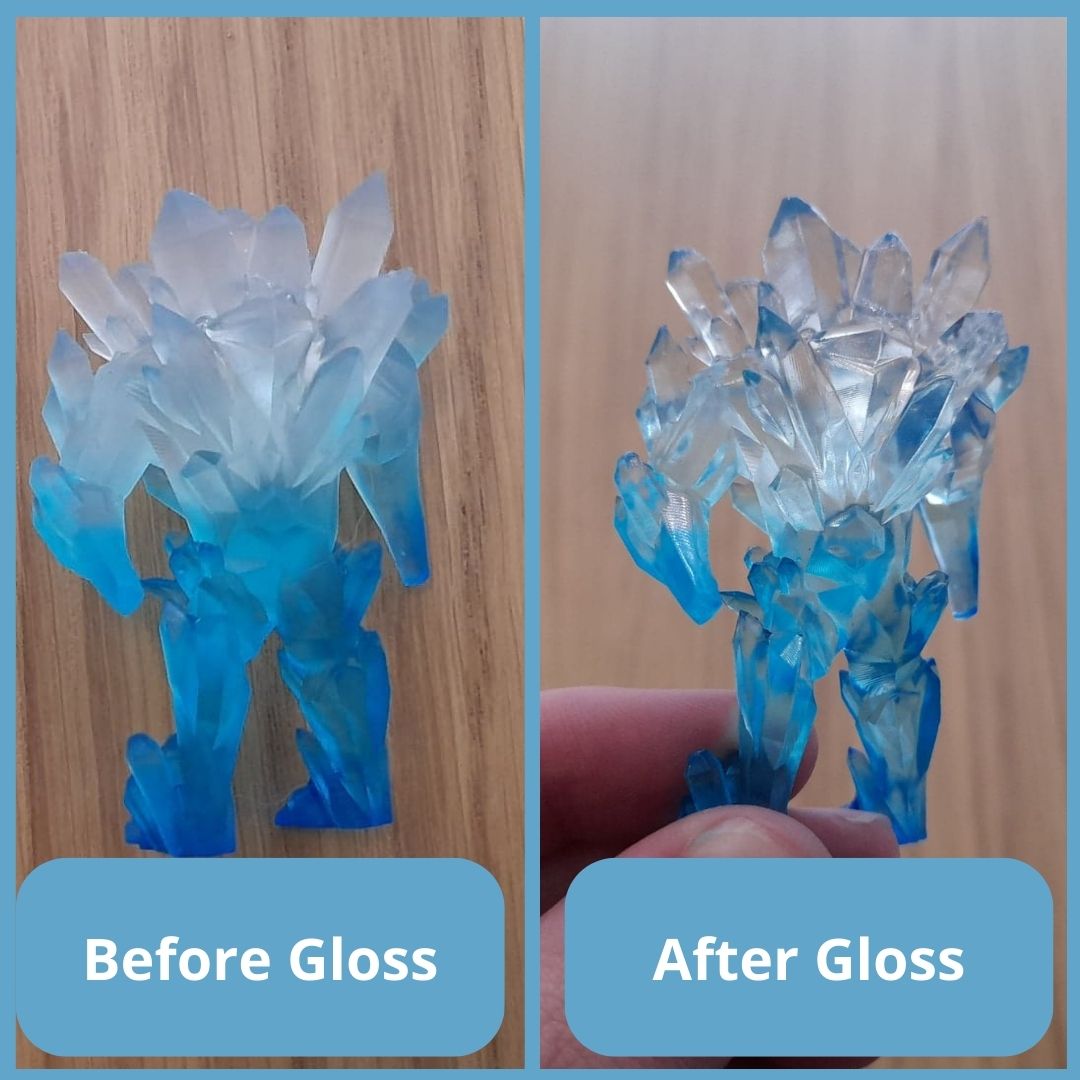
Ever taken a photo that looked like it was painted with mashed potatoes? We've all been there! A blurry image can be incredibly frustrating. But fear not, turning those fuzzy fails into fabulous visuals is easier than you think!
Get a Grip (Seriously!)
First things first: Stability is your best friend. Imagine trying to write your name in the back of a rollercoaster – that's your camera trying to focus while you're jittering like a caffeinated squirrel.
Use both hands! It’s like holding a newborn kitten – gentle, but firm. Find a solid surface: a wall, a table, your trusty pet rock (if you have one).
Must Read
Even better? Invest in a tripod. It’s like giving your camera a comfy little throne to sit on.
Embrace the Light
Light is the magic ingredient! Think of it as the secret sauce to clarity. Good lighting is the difference between a masterpiece and a monsterpiece.
Avoid taking pictures in dimly lit dungeons, unless that’s the artistic vibe you're going for. Natural light is your superstar! Head outside, or near a window.
And please, for the love of all that is photographic, avoid using your camera's flash if possible. It’s like yelling "SURPRISE!" directly into someone's face – harsh and unflattering.
Clean Your Lens
This sounds ridiculously obvious, but hear me out! How often do you actually clean your camera lens? Probably not as often as you should.
Your lens is like a window to your photographic soul – if it’s covered in smudges and fingerprints, everything's gonna look hazy. Use a microfiber cloth, the same kind you use for your glasses. Gently wipe away the grime.
Pretend you're polishing a priceless artifact. Because, in a way, you are!
Tap to Focus (It’s a Game Changer!)
Smartphones are smart, but they don't always know what you want to focus on. That’s where you come in! Most smartphones let you tap on the screen to tell the camera exactly where to focus.
Tap on the subject you want to be crystal clear. It's like pointing and saying "Hey camera, look over there!" Watch the magic happen as your image sharpens.
This is especially useful for close-up shots or when your subject is surrounded by distracting elements. Imagine trying to find Waldo – you need to focus, right?
Understanding Camera Settings
Don't run away screaming! Camera settings aren't as scary as they seem. Think of them as tools to help you sculpt your perfect image.
Look for settings like "ISO" and "Aperture." ISO controls your camera's sensitivity to light. A lower ISO means less noise (graininess) in your image.
Aperture controls the depth of field, which is how much of your image is in focus. Experiment to see what works best for your style!
Zoom Wisely (Or Not at All!)
Zooming can be tempting, especially when you're trying to capture something far away. But digital zoom is often the enemy of clarity. It basically just crops the image, making everything look pixelated and awful.
If you need to get closer, physically move closer! Walk, run, crawl – whatever it takes (safely, of course). Your image will thank you.

If moving closer isn't an option, consider using optical zoom, if your camera has it. It's like using a magnifying glass, rather than just blowing up a tiny picture.
Post-Processing Power
Even the best photos can benefit from a little post-processing magic. Think of it as adding the finishing touches to a masterpiece.
There are tons of free and easy-to-use photo editing apps available for your phone or computer. Apps like Google Photos, Snapseed, and VSCO are great starting points.
Adjust the brightness, contrast, and sharpness to bring out the details in your image. But be careful not to overdo it! You don't want your photo to look like it's been through a nuclear blast of filters.
Sharpening is Key (But Don't Go Nuts!)
The "Sharpening" tool is your secret weapon for making blurry images look clearer. It increases the contrast along edges, making details pop.
But like any good thing, too much sharpening can be bad. It can create unwanted artifacts and make your image look grainy.
Start with a small amount of sharpening and gradually increase it until you see a noticeable improvement. Think of it as adding salt to your food – a little bit can enhance the flavor, but too much will ruin the dish.
Practice Makes Perfect (And Fun!)
The best way to improve your photography skills is to practice! Don't be afraid to experiment with different settings, lighting conditions, and subjects.
Take tons of pictures! The more you shoot, the more you'll learn what works and what doesn't. Think of it as training your eye to see the world in a new way.
And most importantly, have fun! Photography should be enjoyable. Don't get too caught up in the technical details. Just relax, be creative, and capture the moments that matter to you. You'll be snapping stunning photos in no time! Remember good photography requires commitment!
Beyond the Basics: Focus Stacking
Want to take your clarity game to the next level? Let's talk about focus stacking! This is a technique where you take multiple photos of the same subject, each with a slightly different area in focus.
Then, you combine these images in post-processing to create a single image that is sharp from front to back. It's like having super-human focusing powers!
This technique is especially useful for macro photography or landscapes where you want everything to be in focus. It might sound complicated, but there are plenty of tutorials online to guide you through the process. Focus stacking is awesome!
Consider Your Camera
Let's be honest, sometimes the problem isn't you, it's your camera. If you're still struggling to get clear images, it might be time to upgrade your equipment. A better camera will generally have a better sensor and lens, which can make a huge difference in image quality. And remember the more you know about photography equipment the better!
You don't have to break the bank, but investing in a decent camera can be a worthwhile investment if you're serious about photography. Do your research and find a camera that suits your needs and budget.
Think of it as upgrading your tools – a skilled carpenter can still build a house with basic tools, but better tools will make the job easier and more efficient. Happy shooting!