How To Make Distillate At Home

Let's face it, the world of cannabis concentrates can be a bit bewildering. Words like "distillate," "shatter," and "wax" get thrown around, but what do they actually mean? And is it even possible to make this stuff yourself? Well, buckle up, because we're diving into the (slightly simplified!) world of homemade distillate. We're going to explore a process, and while it won't replicate a professional lab setup, it offers a fascinating glimpse into the science behind concentrated cannabis. Think of it as a fun, educational experiment, not necessarily a guide to mass production!
So, what is distillate and why is it so popular? Simply put, distillate is a highly refined cannabis extract. Imagine taking all the "good stuff" – the cannabinoids like THC and CBD – and stripping away everything else (plant matter, unwanted terpenes, etc.). The result is a potent, nearly pure product that can be used in various ways: vaping, edibles, or even dabbing. The main benefit is its high potency and neutral flavor profile, making it incredibly versatile. People also appreciate the consistent experience it provides.
Now, before we get too far, a big disclaimer: Attempting to make distillate at home carries risks, especially when using flammable solvents. This article offers a simplified overview for educational purposes. Always prioritize safety, and be aware of the legal implications in your area. In most places, making cannabis extracts at home is highly regulated or illegal. Consider this more of a theoretical exploration than a practical instruction manual. With that said, let's examine the basic concepts involved.
Must Read
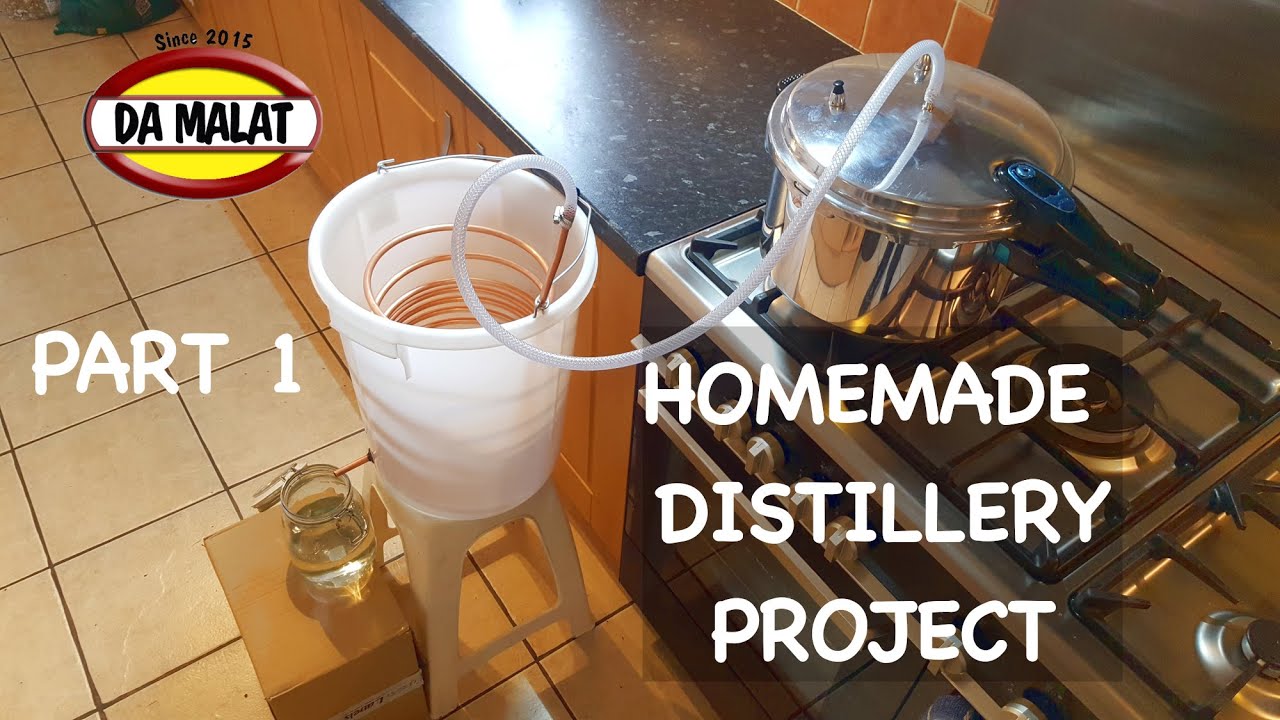
At its core, distillation is the process of separating substances based on their boiling points. Imagine a stew with different ingredients – some boil at a lower temperature than others. If you slowly heat the stew, the ingredients with the lower boiling points will evaporate first. We can collect that vapor, condense it back into a liquid, and voila! We've separated it.
In the context of cannabis, we’re aiming to separate the cannabinoids (THC, CBD) from everything else. The "home" version often involves creating a tincture using a solvent like everclear (high-proof ethanol). The everclear dissolves the cannabinoids and terpenes from the cannabis plant material. Then, using a carefully controlled heating process, we can theoretically boil off the ethanol, leaving behind a more concentrated oil. The key here is temperature control. Too much heat can degrade the cannabinoids, rendering them less potent or even creating unwanted byproducts.

While replicating a professional lab setup is virtually impossible at home without specialized equipment, the core principles remain the same. You would need a hot plate, lab glassware to contain your processes, and some cannabis materials. The solvent will be evaporated out using heat, and you are left with a more concentrated form of THC, or CBD. Keep in mind that safety is key and you should be sure that you are being as safe as possible as this point.
Again, the goal isn't necessarily to produce top-quality distillate, but to understand the science behind it. Think of it as a science experiment! Understanding the process, the risks, and the potential rewards gives you a deeper appreciation for the cannabis concentrates you find in dispensaries (where legal and regulated, of course!). Remember, safety first and always respect the law.