How To Know When Your Septic Tank Is Full

Okay, let's be honest. Talking about septic tanks isn't exactly a glamorous dinner party topic. But guess what? Understanding how to tell when your septic tank is full is actually one of the smartest and most empowering pieces of homeownership knowledge you can possess! Think of it as your secret superpower to prevent plumbing catastrophes, save yourself a ton of money, and avoid an incredibly unpleasant (and frankly, stinky) surprise. It’s not just useful; it’s about maintaining the serenity and sanity of your home life.
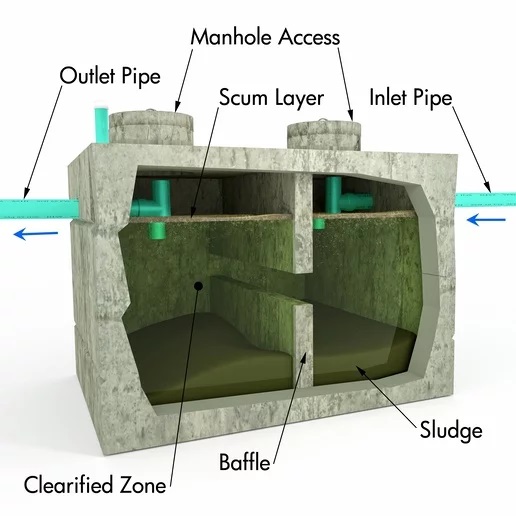
Your septic system is the unsung hero working tirelessly beneath your yard, quietly processing all the wastewater from your home. It's an ingenious natural filtration system, but like any hero, it needs a little TLC – specifically, periodic pumping. The immense benefit of knowing the signs of a full tank is simple: proactive prevention. Catching issues early means you can call in the professionals for a routine pump-out before you face costly damage, environmental headaches, or the truly awful experience of sewage backing up into your living space. It keeps your system healthy, extends its lifespan, and most importantly, keeps your home smelling fresh and flowing freely.
So, how do you know when this underground workhorse is nearing its limit? Keep an eye (and nose!) out for these tell-tale signals:
Must Read
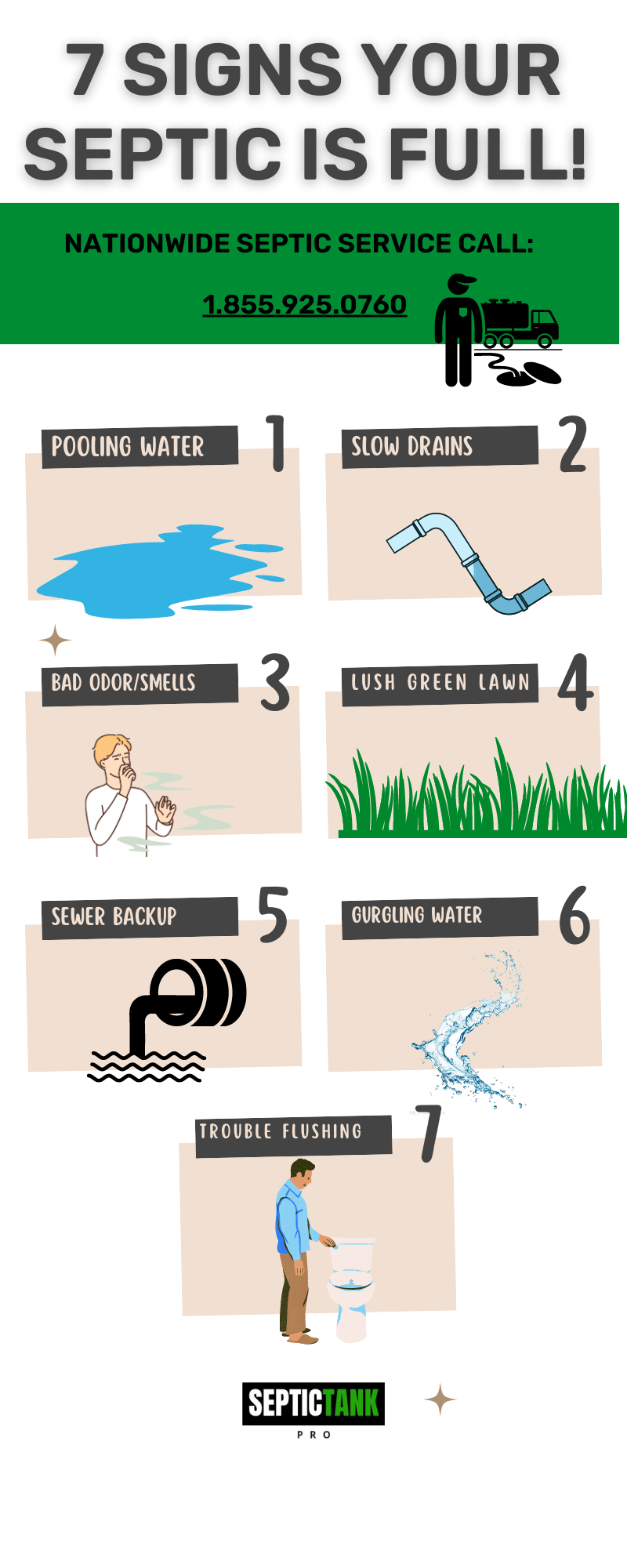
- Slow Drains and Gurgling Noises: This is often one of the first clues. If your toilets are flushing sluggishly, or your sinks and showers are draining at a snail's pace, especially across multiple fixtures, it could mean your tank is struggling to cope. Hearing peculiar gurgling sounds from your pipes? That’s air trying to escape from a system that’s overloaded.
- Foul Odors: Perhaps the most unmistakable sign. A strong, lingering sewage smell either inside your home (around drains, especially) or outside near your septic tank or drain field is a major red flag. Those unpleasant fumes are often gases escaping from a tank that's too full to properly vent.
- Pooling Water in the Drain Field: Take a walk over your drain field area. If you spot standing water, soggy ground, or muddy patches, especially after heavy water usage indoors, it indicates that wastewater is not being absorbed into the soil correctly and is surfacing instead. This is a clear sign of an overwhelmed or failing system.
- Unusually Lush, Green Grass: While lush grass is usually a good thing, an exceptionally vibrant, thick patch of grass growing directly over your septic tank or drain field can actually be a warning. This localized "super-fertilization" might be due to excess effluent (wastewater) providing extra nutrients to the plants.
- Sewage Backup: This is the ultimate, undeniable, and most alarming sign. If raw sewage is starting to back up into your toilets, bathtubs, or sinks, your septic tank is past full and demanding immediate attention. At this point, you've moved beyond prevention and into emergency mode.
If you notice any of these indicators, don't delay! It's crucial to call a qualified septic professional immediately. They can assess the situation, determine if a pump-out is needed, and advise on any further steps. Being proactive with your septic system isn't just smart; it's essential for a happy, healthy home. Stay alert to these signs, and you’ll successfully navigate the world of septic ownership!