
How To Know When To Pump Your Septic Tank
Alright, let's talk about something that's probably not on your list of exciting topics, but trust me, it’s a total unsung hero of your home: your septic tank. It’s tucked away, doing its incredibly important job, and most of us don't give it a second thought... until something goes wrong. And when it goes wrong, well, let's just say it stops being an unsung hero and starts singing a very loud, very unpleasant tune!
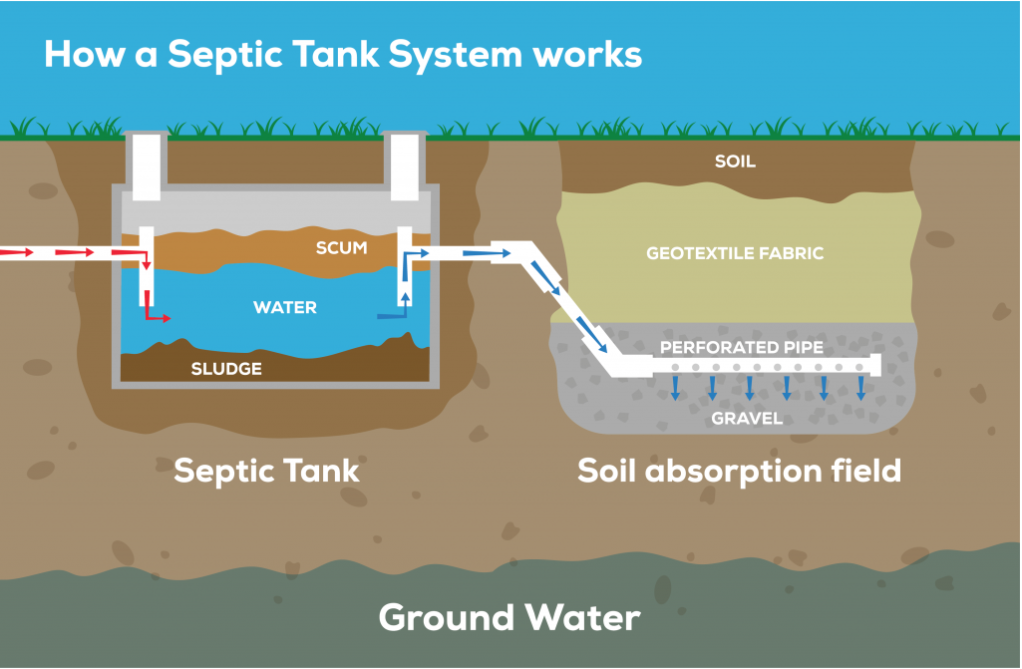
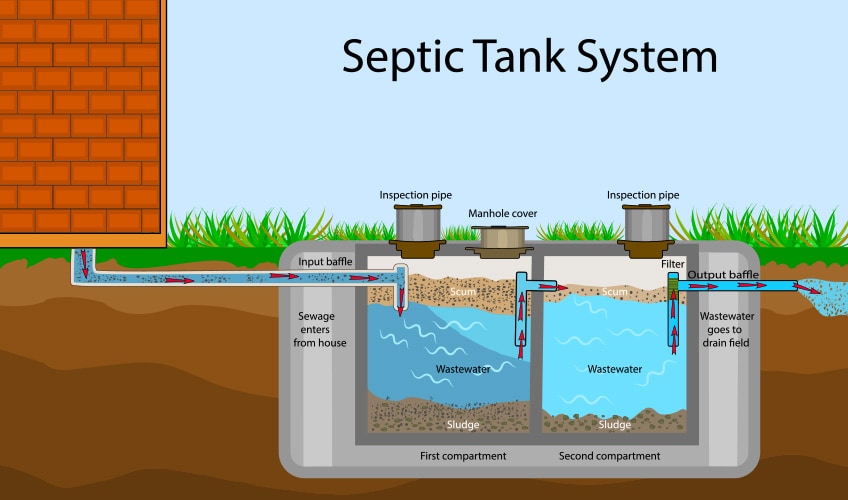
Think of your septic tank like a super-efficient, underground digestive system for your house. Everything you flush, rinse, or send down the drain ends up there. It separates the solids from the liquids, lets the good bacteria get to work, and then sends the treated liquid out into your drain field. Pretty neat, right? But just like even the best digestive system needs a little clear-out now and then, so does your septic tank.
Why Should You Even Care About Pumping Your Septic Tank?
I know, I know. It's not exactly glamorous. But neglecting your septic tank is like playing a really expensive, smelly game of Russian roulette with your plumbing. Ignoring it doesn't make it go away; it just makes the problem bigger, messier, and much, much pricier to fix. We're talking about potential
Must Read
So, let's get down to the nitty-gritty: How do you know when it’s time to call in the professionals for a pump-out?
The General Rule of Thumb (The "Every Few Years" Reminder)
Most experts recommend pumping a typical septic tank every three to five years. This is a great starting point, much like changing your car's oil – a good general maintenance schedule. But it's not a one-size-fits-all rule. Your specific situation might mean you need it more or less often, and we'll dive into those factors soon.
Your Septic Tank is Trying to Tell You Something! Listen Up!
Your house and its plumbing are surprisingly good at communicating. You just need to know the signs. Think of these as your septic tank's whispers (or sometimes, shouts) that it's getting full and needs a helping hand.
1. The Case of the Slow-Motion Drains
Ever notice your shower taking longer to drain than usual? Or the sink water just sitting there, giving you the side-eye before reluctantly trickling away? This is often one of the first clues. Think of it like a traffic jam building up in your pipes. When your septic tank is too full, wastewater struggles to drain quickly, backing up into your home’s plumbing. It's not just a simple clog; it might be a sign of a much bigger, sludgier problem brewing beneath the surface.

2. The Gurgle and the Grumble
Listen closely when you flush the toilet or drain a tub. Do you hear unusual gurgling sounds coming from your pipes? This isn't your house trying to serenade you; it's a potential sign of air struggling to escape a saturated septic system. It's like your stomach making noises when it's really full – a sign something's not quite right in the digestive process.
3. The Unmistakable Whiff (A.K.A. "What's That Smell?!")
This is probably the most unpleasant, yet undeniable, sign. If you start noticing foul odors, either indoors (especially near drains) or outdoors around your septic tank and drain field area, it’s a big red flag. That smell? That’s sewage gas. It means your tank is likely overflowing or your drain field is struggling, allowing those delightful gases to escape. Nobody wants their home or yard smelling like a forgotten gym sock mixed with something much worse, right?
4. The Unexpected Lush Green Patch (or Soggy Lawn!)
Take a stroll around your yard, particularly over the area where your septic tank and drain field are located. Do you see an unusually lush, green patch of grass, even when the rest of your lawn is looking a bit dry? Or worse, do you find standing water or a perpetually soggy area? This isn't a sign of your green thumb. It means untreated wastewater is rising to the surface, essentially fertilizing that spot – creating a big, wet, unhygienic mess. It’s an unmistakable sign that your system is overloaded.
5. The Dreaded Sewage Backup
This is the ultimate, "call-an-emergency-plumber-RIGHT-NOW" signal. If sewage actually backs up into your toilets, bathtubs, or sinks, your septic system is beyond full and has reached critical failure. This isn't just gross; it's a serious health hazard. At this point, you're not just looking at a pump-out; you're likely facing significant cleaning and possibly repair costs. Think of it as the plumbing equivalent of a full-blown emergency meltdown.

What Makes Your Tank Fill Faster? (Beyond Just Time)
Remember how we said the 3-5 year rule is just a guideline? Here's why:
- How many people live in your home? More people mean more showers, more flushes, more laundry – essentially, more wastewater entering the tank. A family of six will fill their tank faster than a single person.
- How much water do you use? Long showers, running the dishwasher half-empty, doing multiple loads of laundry daily – all contribute to a higher volume of water needing to be processed. Being mindful of water conservation helps your septic system immensely.
- Do you use a garbage disposal? While convenient, garbage disposals are notorious septic tank villains! They add a huge amount of solids and grease to your tank, accelerating sludge buildup and significantly increasing the frequency with which you'll need to pump. Try to minimize its use if you have a septic system.
- What size is your tank? A larger tank naturally has more capacity, meaning it can go longer between pump-outs compared to a smaller one, assuming similar usage.
When in Doubt, Ask a Pro!
If you're unsure, or if you've never had your septic tank pumped and don't know its history, the best thing to do is call a qualified septic professional. They can inspect your tank, measure the sludge and scum layers, and give you an accurate assessment of its condition and when it truly needs a pump-out. Think of them as the friendly septic detectives, ready to keep your underground hero working smoothly.
So, while it’s not the most glamorous home maintenance task, keeping an eye on your septic tank is incredibly important for the health of your home, your wallet, and your peace of mind. By recognizing these signs and understanding the factors at play, you can keep your home’s hidden hero happy and humming along for years to come. Your nose (and your bank account) will thank you!