How To Know If My Car Seat Is Expired
Hey there, curious minds! Ever looked at something as sturdy and reliable as a car seat and wondered if it, too, has a shelf life? It might seem a little odd at first – after all, it’s not a carton of milk or a bottle of vitamins. But just like many things we depend on daily, your child's car seat comes with an important clock ticking: an expiration date. Knowing how to find and understand this date isn't just a useful bit of trivia; it’s a crucial piece of information for ensuring the safest ride possible for your little one, and honestly, it’s quite empowering to learn!
So, what's the big deal? Why do car seats expire? The primary purpose of an expiration date on a car seat is simple: safety first. Over time, the materials that make up a car seat – the plastics, the foam, the harnesses, and even the metal components – can degrade. Exposure to extreme temperatures (think scorching summers and freezing winters in your car), UV rays from the sun, and general wear and tear from everyday use can all take their toll. These factors can subtly weaken the seat's structural integrity, making it less effective in a crash. Furthermore, safety standards and technology are constantly evolving. An older seat, even if structurally sound, might not meet the most current crash protection standards. The benefit of knowing your seat's expiration date is the ultimate peace of mind, knowing you’re providing the highest level of protection available for your child.
You might be thinking, "How does this relate to daily life or even education?" Well, understanding car seat expiration is a fantastic lesson in material science and engineering in action! It teaches us about the lifespan of polymers and textiles, and how seemingly robust materials can change over time. In daily life, it empowers parents and caregivers to make informed decisions. For example, if a friend offers you a used car seat, knowing about expiration dates is your first step in determining if it's still safe to use (and generally, experts advise against using a car seat with an unknown history or past its expiration date). It also helps you plan for replacing your current seat, saving you from a last-minute scramble when you realize it's out of date. It’s about being a proactive and informed protector.
Must Read
Ready to become a car seat expiration detective? It's easier than you might think! Here are some practical tips to explore:
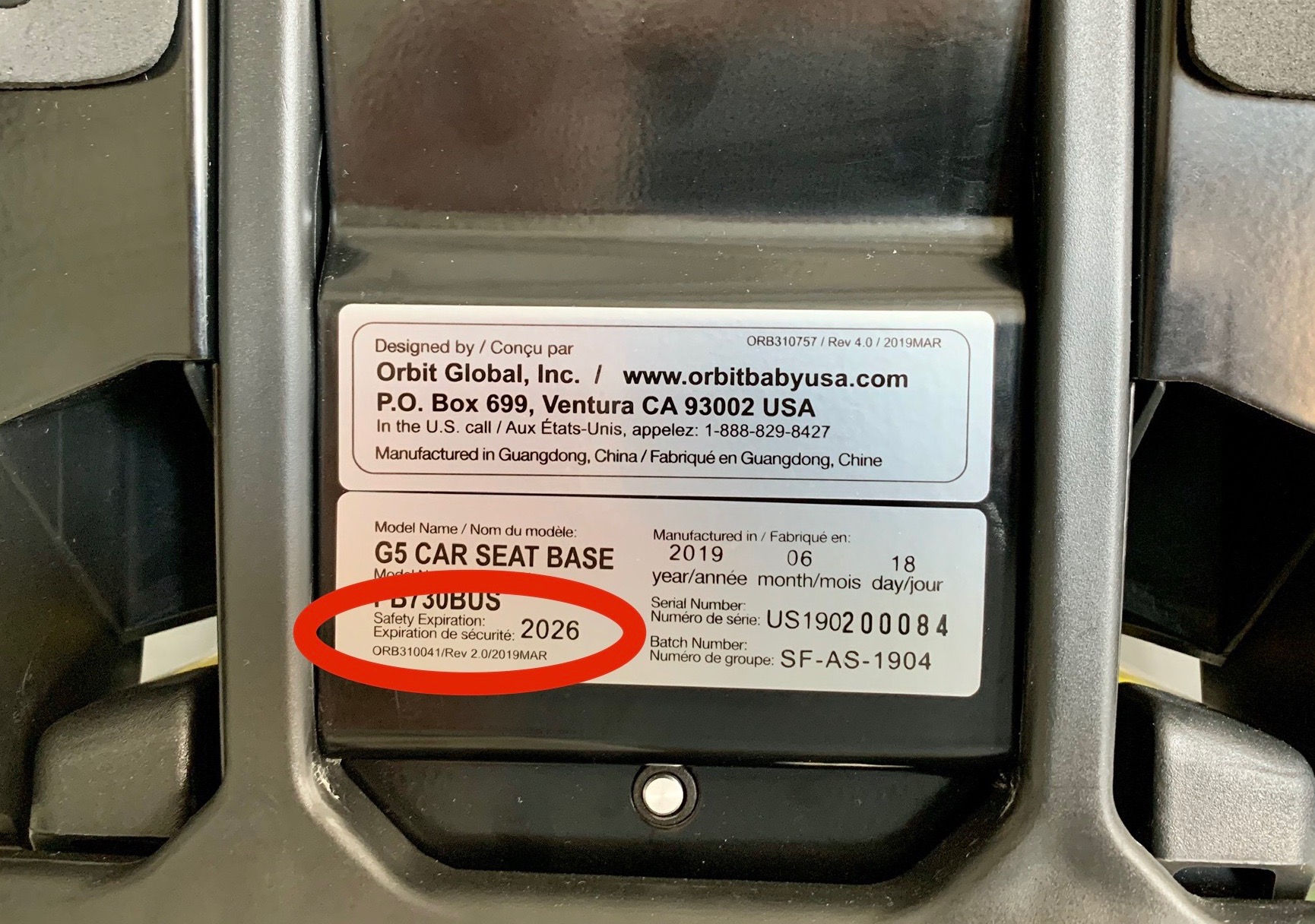
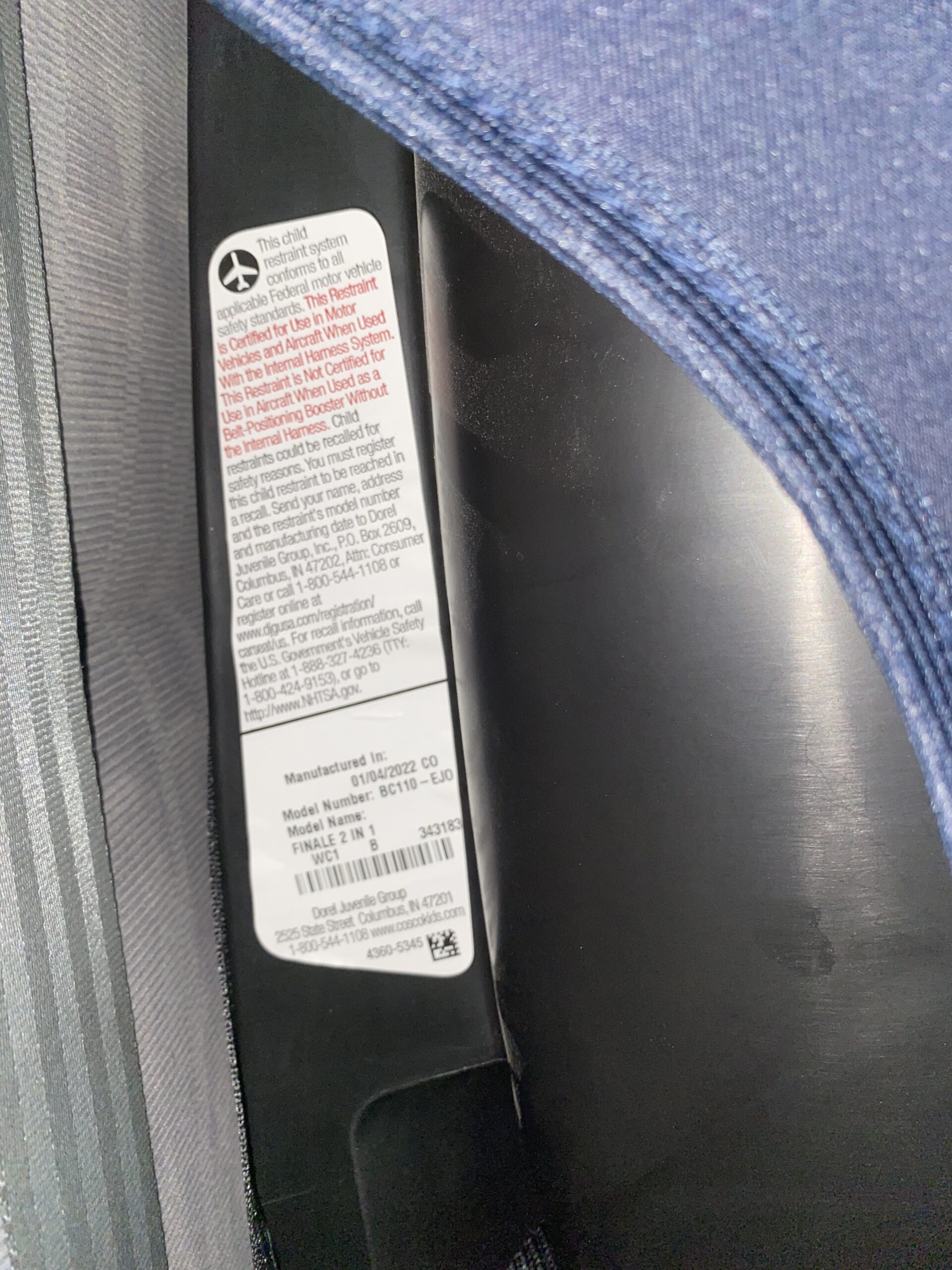
- Locate the Sticker: Most car seats have a sticker somewhere on the shell – often on the side, back, or bottom. This sticker is usually jam-packed with important info, including the date of manufacture (DOM) and, sometimes, an actual "DO NOT USE AFTER" or "EXPIRATION DATE."
- Check the Plastic Molding: If there's no sticker, sometimes the date of manufacture is molded directly into the plastic shell itself. Look for a circular dial with an arrow pointing to the month and a separate number for the year.
- Consult the Manual: Your car seat's instruction manual is a treasure trove of information. It will specify the expected lifespan of your particular model, often expressed as a number of years from the date of manufacture (e.g., "6 years from DOM" or "10 years from DOM").
- Contact the Manufacturer: When in doubt, call the car seat manufacturer directly! They can tell you the precise expiration guidelines for your specific model number.
It’s a simple check that takes just a few moments but offers invaluable reassurance. So, go ahead, embark on this little quest to discover your car seat's vital statistics. You'll gain a deeper understanding of child safety, material science, and earn yourself a badge as a truly informed caregiver. Happy exploring!