How To Increase Hrv During Sleep
Ever feel like you’re just… existing, instead of thriving? Like you’re constantly running on fumes, even after a "full" night's sleep? Well, there's a fascinating little metric called Heart Rate Variability (HRV) that might hold some clues to unlocking your body's full potential. And what's even more intriguing? You can actually influence it while you sleep! Think of it as hacking your sleep for better performance, not by sacrificing rest, but by optimizing it.
So, what exactly is HRV? Simply put, it's the variation in time between your heartbeats. It's not about how fast your heart beats, but how flexible it is in responding to different situations. A higher HRV generally indicates that your body is more adaptable, resilient, and better equipped to handle stress. Think of it like your body's ability to shift gears smoothly. A lower HRV, on the other hand, can be associated with stress, fatigue, and even increased risk of certain health problems. The purpose of understanding and improving your HRV is to empower you to take control of your overall well-being. The benefits range from improved stress management and enhanced physical performance to better sleep quality and even a more positive mood. Who wouldn't want a little slice of that?
Now, you might be wondering, how is this relevant to education or daily life? Well, imagine a student facing a stressful exam period. Tracking and improving their HRV could help them manage anxiety, improve focus, and even enhance their cognitive performance. For athletes, a higher HRV translates to better recovery and improved training adaptation. Even in daily life, understanding your HRV can help you make informed decisions about your lifestyle, such as prioritizing sleep, managing stress, and making healthier food choices. It's like having a personal biofeedback system constantly giving you insights into your body's state.
Must Read
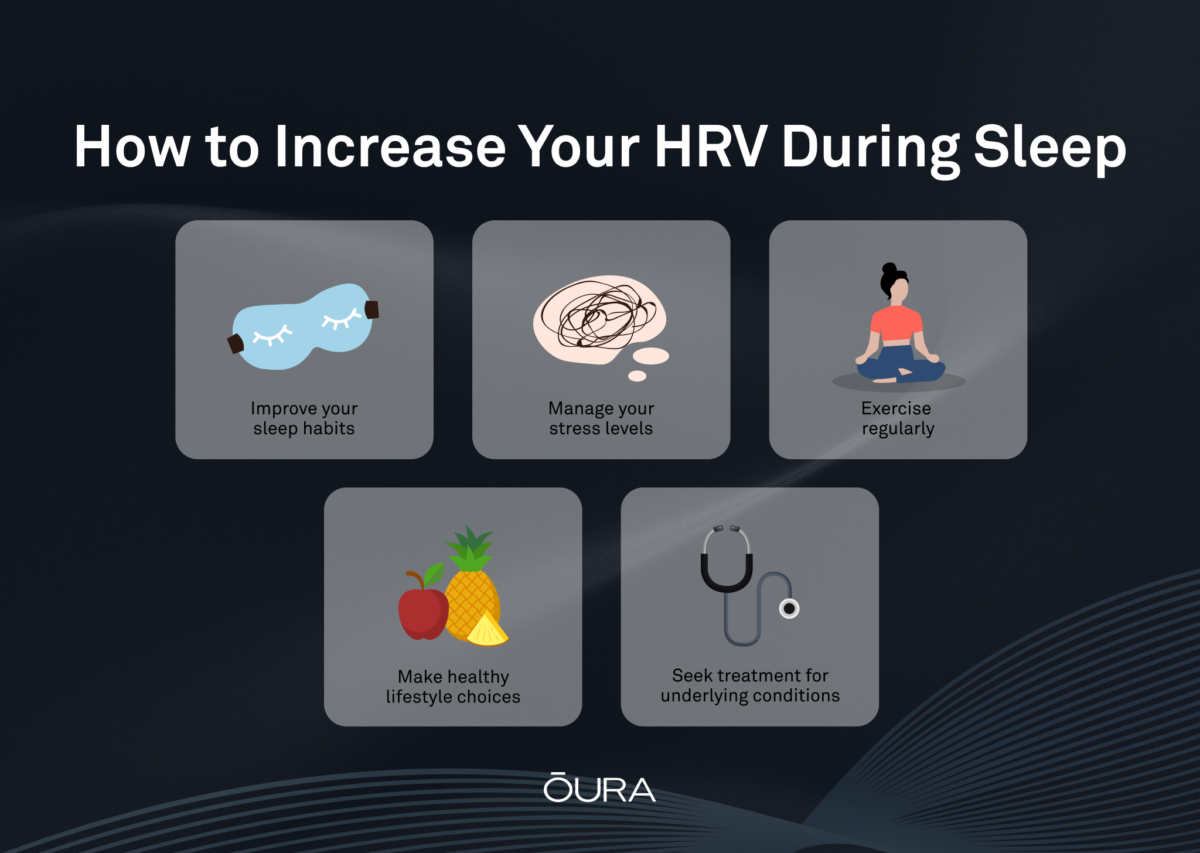
Okay, so how do we nudge that HRV upwards while we're catching Z's? It’s not about magic, but rather about creating the optimal conditions for rest and recovery. Here are some practical tips to explore:
- Optimize your sleep environment: This is Sleep 101, but it's crucial. A dark, quiet, and cool room is essential for deep, restorative sleep. Think blackout curtains, earplugs, and a comfortable temperature.
- Establish a consistent sleep schedule: Your body loves routine. Going to bed and waking up around the same time each day, even on weekends, helps regulate your circadian rhythm, which in turn can improve HRV.
- Limit screen time before bed: The blue light emitted from electronic devices can interfere with melatonin production, making it harder to fall asleep and negatively impacting HRV. Try reading a book or listening to calming music instead.
- Manage stress levels during the day: Stress is a major HRV killer. Incorporate stress-reducing activities into your daily routine, such as meditation, yoga, or spending time in nature.
- Consider pre-sleep relaxation techniques: Gentle stretching, deep breathing exercises, or a warm bath can help calm your nervous system and promote relaxation before bed.
- Avoid large meals and alcohol before bed: These can disrupt your sleep and negatively impact HRV. Aim for a light, healthy snack if you're feeling hungry.
The best way to explore this is to start tracking your HRV using a wearable device or app. There are many options available, so do some research and find one that suits your needs and budget. Then, experiment with the tips above and see what works best for you. Remember, it's a journey of self-discovery, so be patient, be curious, and most importantly, be kind to your body. Improving your HRV during sleep is a marathon, not a sprint, but the rewards – a more resilient, adaptable, and energetic you – are well worth the effort!