How To Identify A Sedimentary Rock

Okay, so picture this: I'm on a beach, supposedly 'relaxing,' right? But, being me, "relaxing" quickly turns into "obsessively picking up every interesting rock I see." My pockets are bulging, my back is starting to ache, and my husband is giving me that look. But then, BAM! I find this rock. It's layered, kind of sandy, and has little bits of seashell stuck in it. I swear I heard angels sing. It was clearly a sedimentary rock. But how did I know? And, more importantly, how can you know? Let's dive in!
What Exactly Is Sedimentary Rock, Anyway?
Think of sedimentary rocks as the ultimate recyclers of the Earth. They're formed from bits and pieces of other rocks (igneous, metamorphic, even other sedimentary rocks!), minerals, and even organic matter that have been broken down by weathering and erosion. These fragments are then transported (usually by water, wind, or ice), deposited in layers, and eventually compacted and cemented together. It’s like the Earth's own little rock lasagna!
Key takeaway: Sedimentary rocks are all about layers and being made of stuff.
Must Read
Look For Those Layers (Stratification is Your Friend!)
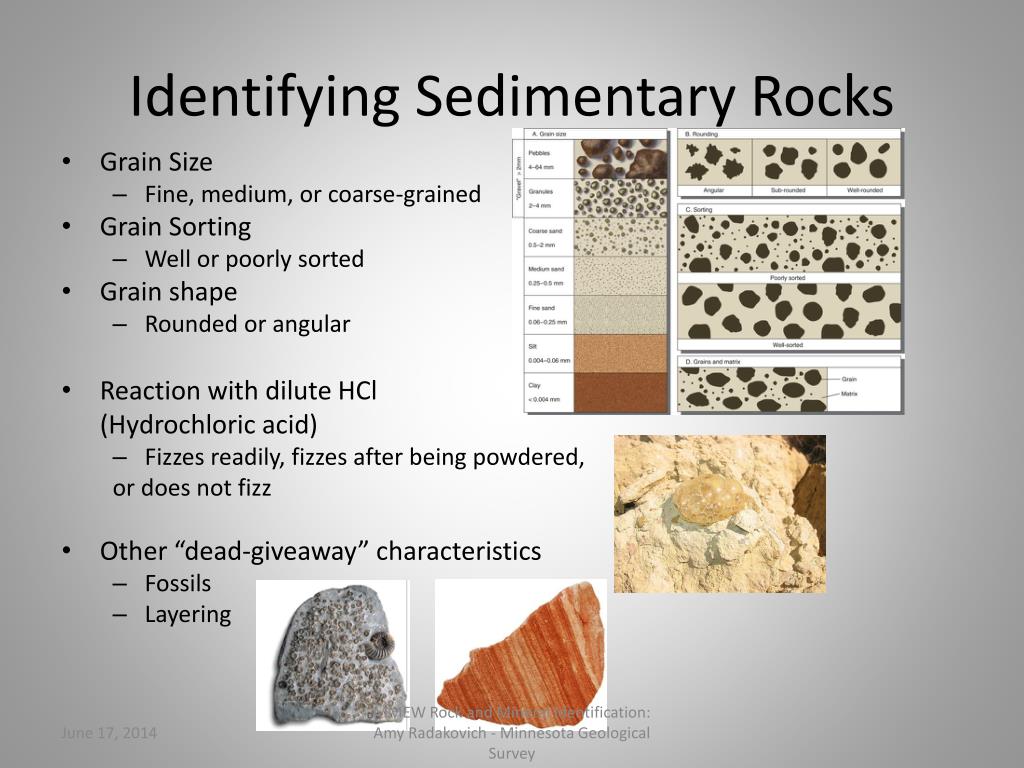
This is usually the easiest way to spot a sedimentary rock. Stratification, or layering, is super common because sediment is deposited in... well, layers! These layers can be thin, thick, wavy, or even cross-bedded (meaning they're angled). So, if you see distinct bands or sheets within a rock, chances are good you're looking at a sedimentary rock.
Side note: not all sedimentary rocks are obviously layered. Some are massive and uniform. But if you see layers? Celebrate! You've probably got yourself a winner.
Grain Size Matters (Are We Talking Sand, Silt, or Cobbles?)
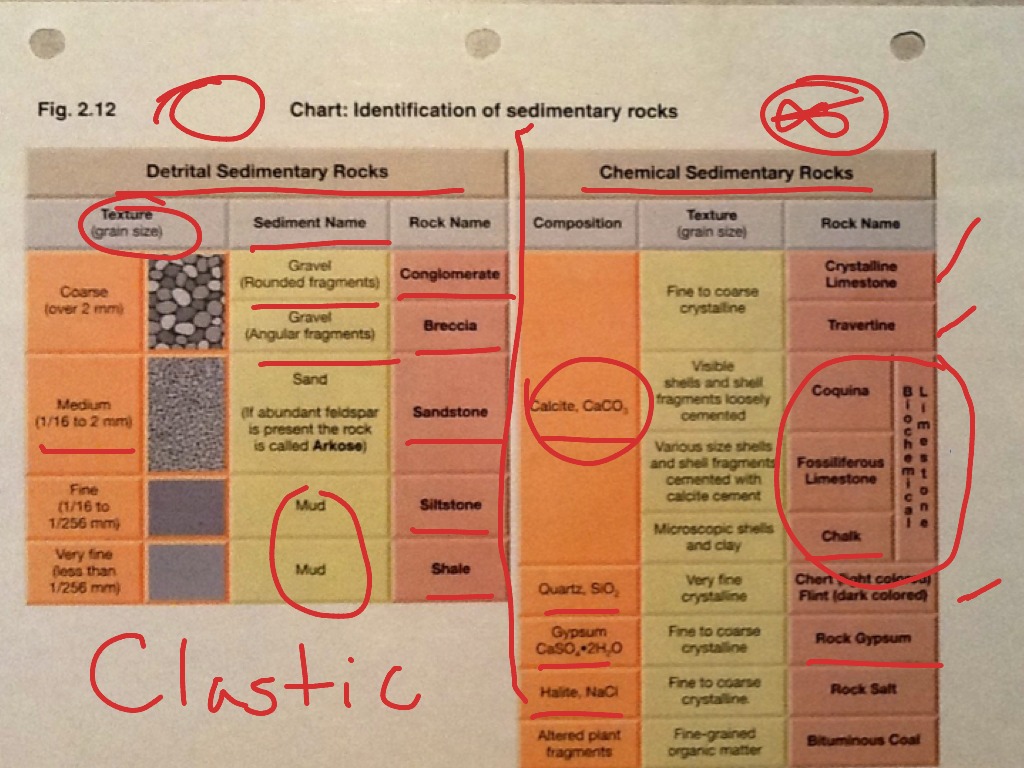
The size of the individual particles that make up the rock can tell you a lot. We generally classify sedimentary rocks based on grain size:
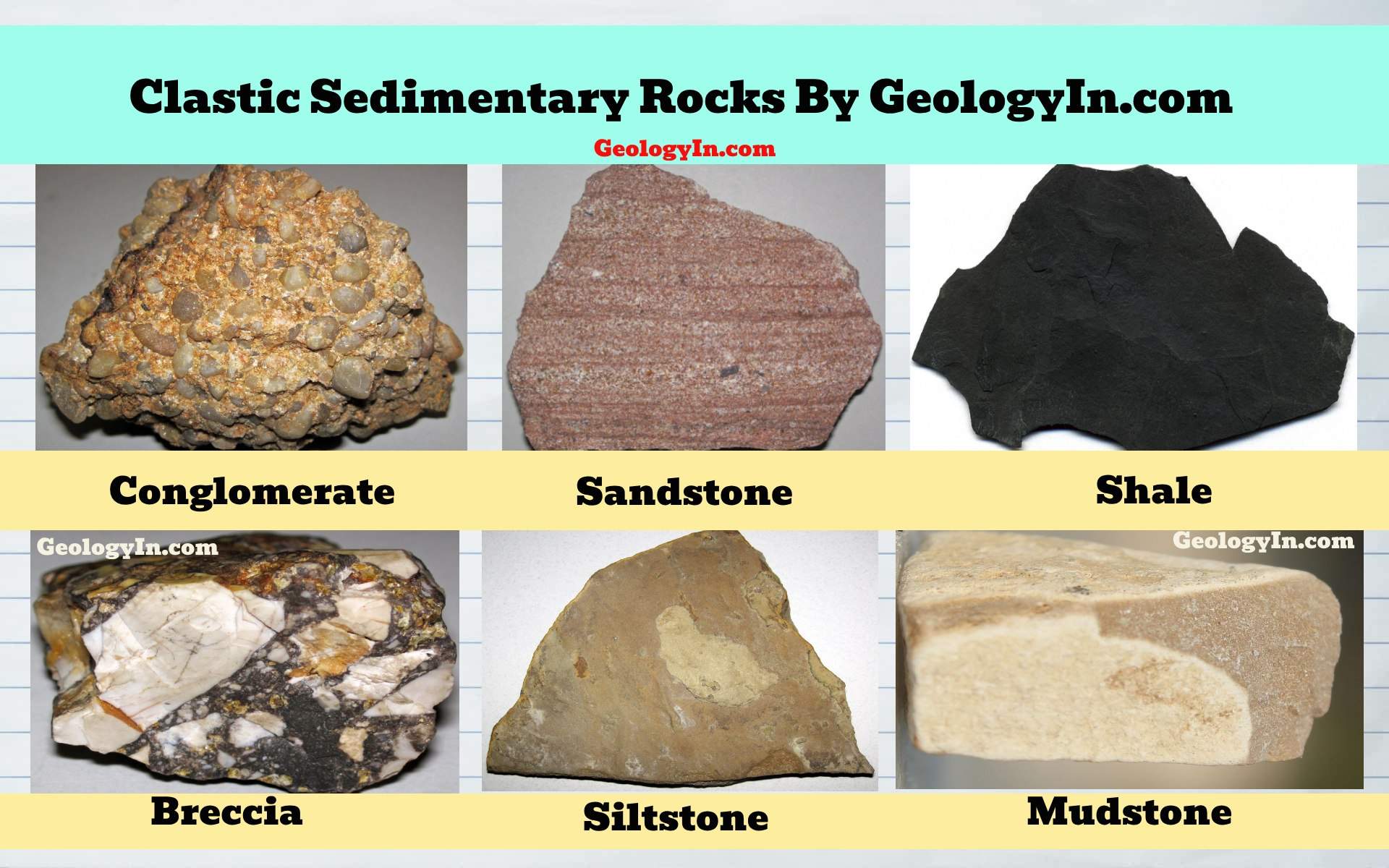
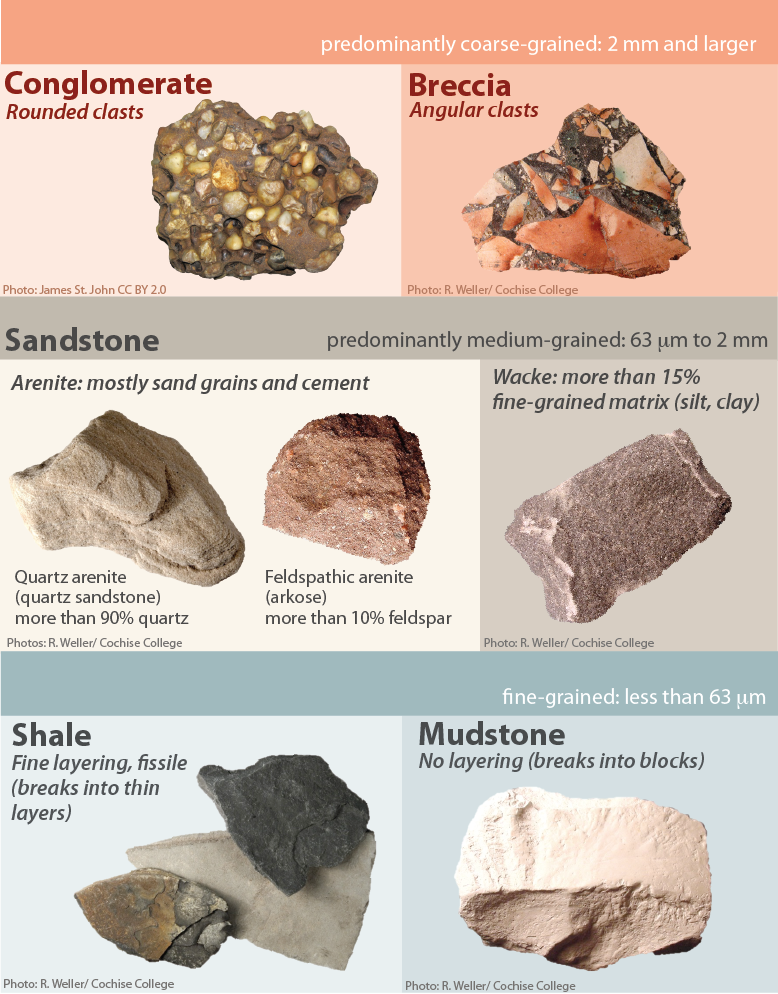
- Gravel-sized: Think conglomerates and breccias. These are made of pebbles, cobbles, and even boulders cemented together. Conglomerates have rounded clasts (the individual pieces), while breccias have angular ones. Imagine a concrete sidewalk but made of natural rocks.
- Sand-sized: Sandstones, like the name suggests, are made of sand grains. You can often feel the individual grains with your fingers. If it feels gritty, it's likely sandstone.
- Silt-sized: Siltstones are finer than sandstones and feel a bit smoother.
- Clay-sized: Shales are made of very fine clay particles. They're often flaky and can easily split into thin layers. They also tend to smell earthy when wet. (Don't go licking rocks, though! Just… maybe sniff carefully.)
The grain size tells you about the energy of the environment where the sediment was deposited. Fast-flowing rivers can carry larger particles, while slow-moving lakes or deep oceans are more likely to accumulate fine clay.
Composition is Key (What Are Those Pieces Made Of?)
What are the individual grains or fragments made of? This is another important clue.
- Quartz: Quartz is a very common mineral, so many sedimentary rocks, especially sandstones, are rich in quartz. It's usually clear or white.
- Feldspar: Another common mineral. It comes in various colors, including pink, white, and gray.
- Clay minerals: These are usually found in shales and mudstones. They're formed by the weathering of other minerals.
- Calcite: This is the main mineral in limestone, which is formed from the shells and skeletons of marine organisms. If a rock fizzes when you put a drop of dilute hydrochloric acid on it (which you probably don't have lying around, but vinegar can sometimes work), it's likely limestone.
- Organic matter: Some sedimentary rocks, like coal, are formed from the remains of plants.
Pro Tip: Bring a small magnifying glass when you're rock hunting. It can help you see the individual grains and minerals more clearly.
Look For Fossils!
This is the fun part! Sedimentary rocks are the most likely place to find fossils. Because they form in environments where life thrives (or used to, anyway), they often contain the preserved remains of plants and animals. Look for shells, bones, leaves, or even just imprints of organisms. Finding a fossil is like winning the geological lottery!
Okay, maybe not exactly like winning the lottery. But pretty darn close for a geology nerd like me!
Putting It All Together
So, next time you're out rock hunting, keep these things in mind:
- Are there layers?
- What's the grain size?
- What's the composition?
- Are there any fossils?
By considering these factors, you'll be well on your way to identifying sedimentary rocks like a pro. And who knows, maybe you'll even find your own rock that makes the angels sing. Happy hunting!