
How To Identify A Scammer On Craigslist
Alright, so you’re browsing Craigslist. Maybe you’re on the hunt for a sweet vintage dresser, a new-to-you bike, or even just some free moving boxes. Craigslist is like this giant, sprawling digital garage sale, right? Full of hidden gems and, let’s be honest, sometimes a few dusty old boxes you’d rather not touch.
But amidst all that treasure-hunting fun, there’s always a little whisper in the back of your mind: “Is this legit?” And that’s totally normal! Think of it like being a savvy urban explorer. You know there are cool finds out there, but you also know to keep an eye out for rusty nails and wobbly floorboards. Identifying a scammer isn’t about being paranoid; it’s about being a super-smart detective, ready to sniff out anything fishy with a laid-back, curious attitude.
So, grab a comfy seat, maybe a cup of tea, and let’s dive into the fascinating world of spotting those digital tricksters. It’s actually pretty interesting once you start noticing the patterns!
Must Read
The "Too Good to Be True" Vibe
This is probably the oldest trick in the book, and yet, it still gets us sometimes because, well, we want it to be true! Imagine seeing a listing for a brand-new MacBook Pro for $200. Or a perfect apartment for rent in a prime location for half the usual price. Your internal alarm bell should immediately start doing the Macarena.
It’s like finding a unicorn offering you a ride to work for a dollar. Sure, it’d be awesome, but your brain knows that unicorns aren’t really giving out cheap rides. When something seems unbelievably good, it usually is. Take a deep breath and ask yourself, “Why would someone sell something so valuable for so little?” Often, the answer is, “They wouldn’t.”
The Communication Clues: Playing Digital Detective
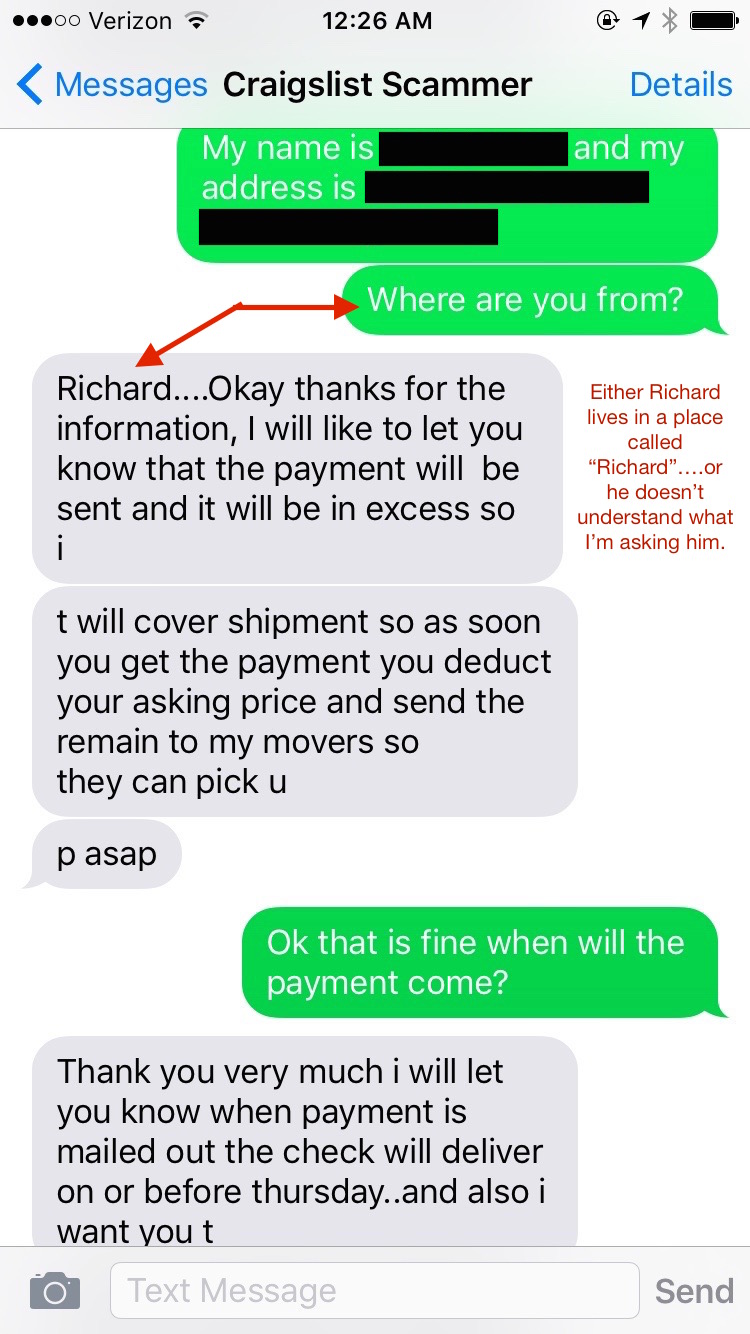
How someone communicates can tell you a lot. Scammers often have a specific communication style that’s a bit off-kilter. They might insist on only communicating via email, or use vague, generic language. If you try to call them, they might dodge the call or say they can only text.
Pay attention to the language itself. Are there lots of typos or strange grammatical structures? While not everyone is a Shakespearean scholar, consistently poorly worded messages can be a red flag. It’s like they’re using a bad translation app to try and sound natural. And if they refuse to have a simple phone conversation when you’re interested in a serious item? Hmm, very suspicious. What are they trying to avoid?
Payment Methods That Make You Go "Nope!"
This is a big one. Scammers often love to push for specific, untraceable payment methods. We're talking about things like: gift cards (iTunes, Amazon, Steam, you name it), wire transfers (Western Union, MoneyGram), or even asking for payment in cryptocurrency for common items.
Think about it: why would someone selling a used couch need you to pay them with an Apple gift card? It makes absolutely no sense! It’s like trying to pay for groceries with Monopoly money. If a seller insists on any of these methods, your internal scam radar should be blinking bright red. For most local Craigslist transactions, especially smaller ones, cash is king. For bigger items, more secure methods are appropriate, but never anything that can’t be traced or reversed.
The Pushy Salesperson: Urgency and Pressure
Ever felt like someone was rushing you into a decision? Scammers love to create a false sense of urgency. They might say, "Someone else is interested, you need to act fast!" or "This price is only good for the next hour!" They want to make sure you don't have time to think, research, or ask questions.
It’s like being at a flea market, and a vendor is practically yelling at you to buy something you’re not sure about. They hope you'll feel pressured and make a hasty decision. A legitimate seller is usually happy to answer your questions and allow you time to consider your purchase. Pressure tactics are a classic sign that something isn't quite right.
Too Much Information, Or Not Enough?
Sometimes, a scammer might ask for way too much personal information upfront. Your bank details, your social security number, or other sensitive data that has absolutely no relevance to buying a used bicycle. Never, ever give out this kind of information.
Conversely, the listing itself might be incredibly sparse on details or have strange, generic photos – maybe even pictures that look like they're from a stock photo site, or are clearly not of the actual item. If they can’t provide more specific photos or details when asked, that's a clue. It’s like looking at a blurry photo of Bigfoot and being told it’s a detailed portrait.
Refusal to Meet in Person or Strange Meeting Spots
For local Craigslist transactions, meeting in person is usually the norm. It allows you to inspect the item, ask questions, and handle the exchange. If a seller repeatedly avoids meeting up, or suggests meeting in a super obscure, inconvenient, or frankly, unsafe location, that’s a pretty big warning sign. They might be using a fake address or don't want to be identified.
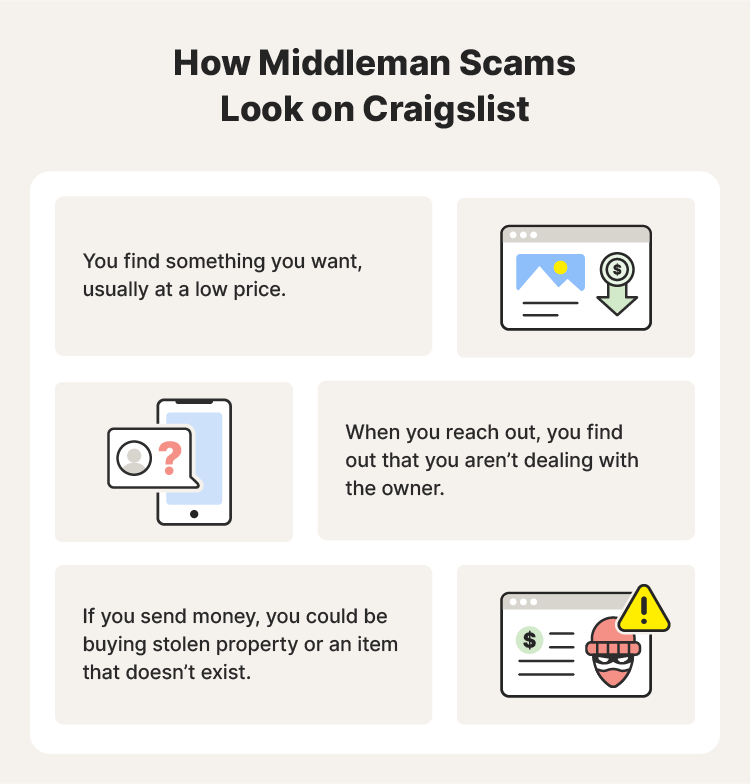
Think about it: if someone has a legitimate item to sell, why would they be so resistant to a straightforward meeting? Always suggest a public, well-lit place if possible, like a coffee shop or even the parking lot of a police station. Safety first, always!
Trust Your Gut (It’s Often Right!)
Ultimately, one of your best tools is your own intuition. If something just feels off, even if you can't put your finger on exactly why, it's okay to walk away. That little voice in your head is often trying to protect you. Don’t feel rude or silly for listening to it.
Being able to identify a scammer isn’t about living in fear of Craigslist; it’s about empowering yourself to navigate it like a pro. It turns you into a digital Sherlock Holmes, able to spot the subtle clues and enjoy all the genuine treasures Craigslist has to offer, safely and smartly. Happy hunting!