How To Hook Up A Generator To Your Home
Ever found yourself plunged into unexpected darkness, a symphony of disgruntled groans rising from around your house as the lights flicker, then vanish? Perhaps the Wi-Fi signal died a tragic death mid-stream, or the fridge started to look suspiciously warm. In our increasingly connected world, losing power can feel like losing a limb! But fear not, intrepid homeowner, for there’s a mighty, hum-filled hero waiting in the wings: the home generator. And while hooking it up might sound like a job for an electrical wizard, approaching it with a dash of knowledge and a good dose of caution can transform you from a helpless victim of circumstance into a beacon of self-reliance.
Think of it as adding a secret superpower to your home. The benefits of having a generator aren't just for doomsday preppers or off-grid homesteaders; they're for anyone who values peace of mind. For the casual learner, understanding your home's power needs and the basics of backup generation is incredibly empowering. It’s about being prepared, not just for the big storm, but for the unexpected brownout on a Tuesday afternoon. Imagine your neighbors scrambling for candles while you're still brewing coffee, streaming your favorite show, and keeping the kids' devices charged. It's a quiet victory, a testament to foresight, and frankly, a little bit fun!
Generators come in a few flavors, each with its own charm. You have the portable units, which are like the trusty Swiss Army knives of power, great for emergencies and outdoor adventures alike. Then there are the more robust standby generators, permanent fixtures that kick in automatically, like a silent guardian always watching over your home. Whether you're aiming to power just the essentials – lights, fridge, phone chargers – or keep your entire household humming along, there's a setup for you. Different styles offer different levels of convenience and capability, turning a potential disaster into a minor inconvenience. It’s about finding the right fit for your household's unique needs, much like choosing the perfect pair of slippers for a cozy night in.
Must Read
Ready to dabble in the wonderful world of backup power? Here are a few crucial tips for trying it at home, with an emphasis on safety first! Always remember: electricity is no joke.
- Assess Your Needs: What do you absolutely need to power during an outage? A few lights? Your refrigerator? Your entire HVAC system? This will determine the size and type of generator you need.
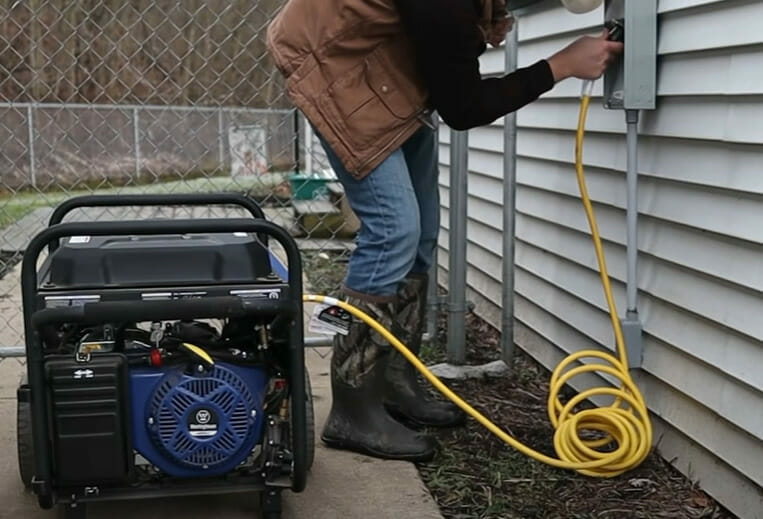
- Safety First (Seriously): For portable generators, always operate them outdoors, far from windows and doors, to prevent carbon monoxide poisoning. And never plug a generator directly into a wall outlet (this is called "backfeeding" and it's incredibly dangerous for utility workers and your neighbors!).
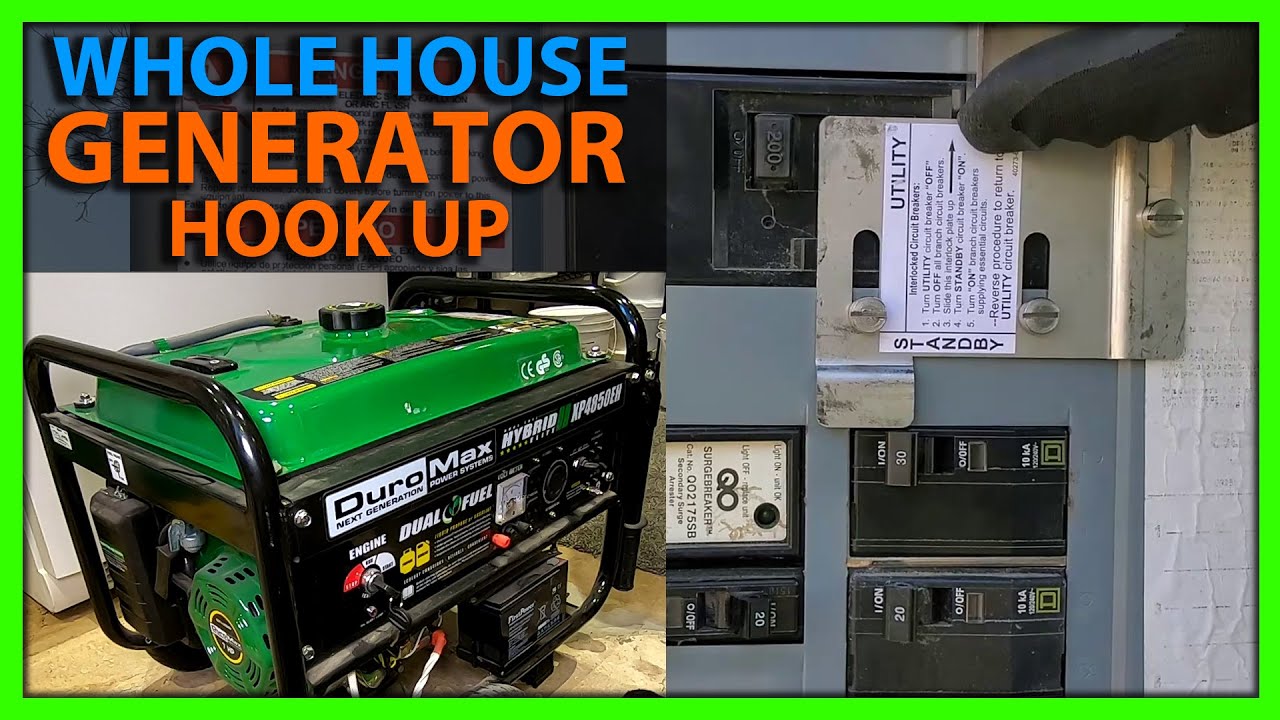
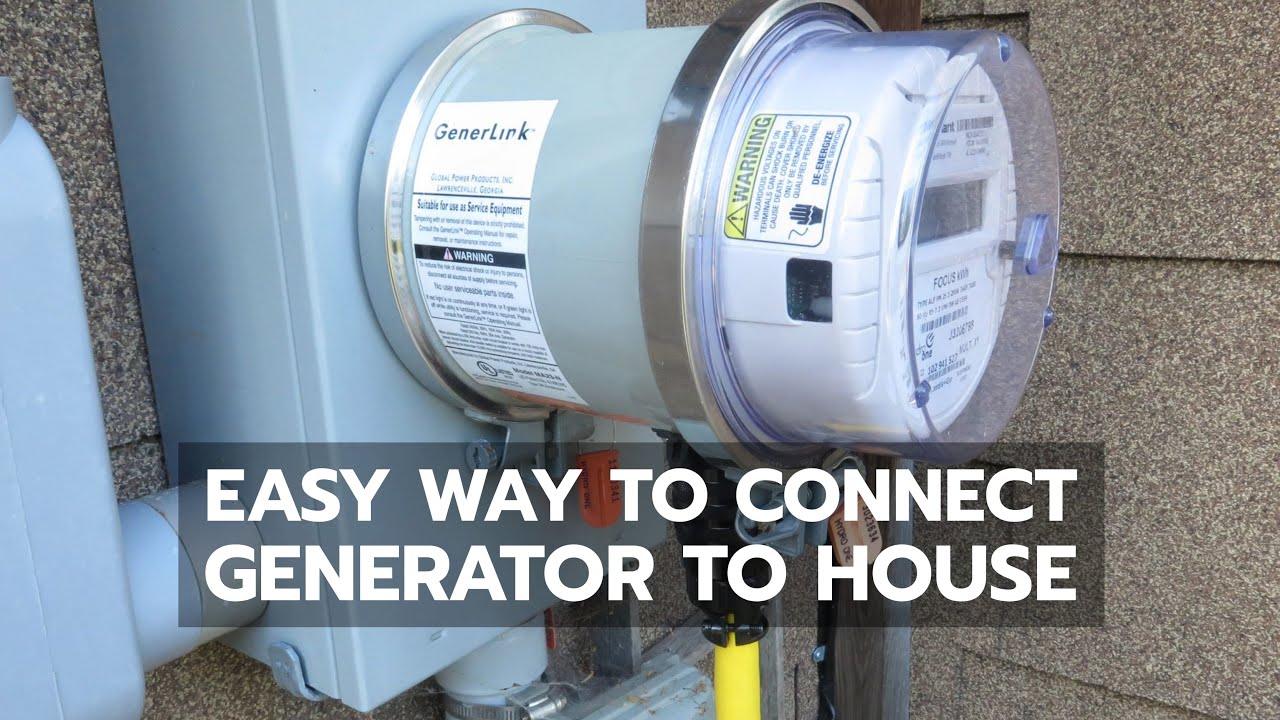
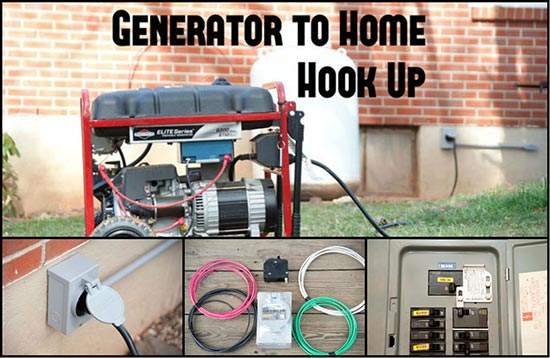
- The Transfer Switch: For connecting a generator to your home's electrical system, a manual or automatic transfer switch is essential. This device safely disconnects your home from the utility grid before connecting to the generator, preventing backfeeding. This is where professional installation is highly recommended. Don't attempt this without expert help!
- Read the Manual: Generators aren't all created equal. Take the time to understand your specific model's instructions and maintenance schedule.
At the end of the day, having a generator isn't just about electricity; it’s about the peace of mind it brings. It’s the satisfaction of knowing you’ve prepared for the unexpected, that you can keep your family comfortable and safe, and that a little bit of darkness doesn't have to mean a complete shutdown. It’s truly enjoyable to be the hero of your own home, ready for whatever surprises life (and the weather) throws your way.