
How To Hook Up A Generator To Your Fuse Box

You know that feeling, right? The lights flicker, maybe a distant thunderclap, and then – BAM! – everything goes dark. Your phone’s at 10%, the fridge starts groaning its last cold breath, and suddenly, that cozy night in turns into a strategic mission for flashlight batteries and a race against melting ice cream. Annoying, isn’t it?
But what if it didn't have to be that way? What if, when the grid decides to take a nap, you could just… shrug, stroll outside, and within minutes, have your coffee maker perking, your Wi-Fi humming, and your TV ready for that movie marathon? Sounds like a superpower, doesn't it? Well, guess what, future hero? It’s not magic; it’s just a generator hooked up to your fuse box!
Transforming Power Outages from Drudgery to Delight!
Seriously, this isn't just about survival; it's about thriving. Imagine this: the whole neighborhood is shrouded in darkness, but your home is an oasis of light, warmth, and Wi-Fi. You’re not just surviving; you’re perhaps even hosting an impromptu, generator-powered board game night. Talk about making life more fun!
Must Read
Why settle for candlelight when you can have full-on illumination? Why endure cold showers when you can have a piping hot one? This isn't just about comfort; it's about control. It’s about taking a situation that usually causes stress and flipping it into an opportunity to feel incredibly capable and, dare I say, a little bit smug (in the best possible way, of course!).
"But Wait, Isn't Electricity Scary?"
Okay, let’s tackle the elephant in the room. When you hear "hook up a generator to your fuse box," your brain might immediately conjure images of sparks, danger, and maybe even a cartoon character with electrocuted hair. And yes, electricity demands respect, absolutely. But that’s precisely why there’s a safe, smart, and utterly brilliant solution for connecting a generator directly to your home’s electrical system.
The key here is not to just plug your generator into a random wall outlet. That's a huge no-no, an electrical sin called "backfeeding," and it can be incredibly dangerous for utility workers trying to restore power, not to mention your own household appliances. So, how do we avoid that drama and keep things gloriously safe?

Enter Your New Best Friend: The Transfer Switch!
This is where the magic happens, folks. A transfer switch is like a super-smart traffic cop for your home's electricity. It ensures that your house is only ever connected to one power source at a time: either the utility grid OR your generator. Never both. This completely eliminates the danger of backfeeding.
Think of it this way: when the power goes out, the transfer switch lets you manually (or sometimes even automatically!) switch your home’s electrical circuits from the utility lines to your generator. When the utility power returns, you simply switch back. It’s elegant, it’s secure, and it's the foundation of true generator-powered peace of mind.
The Easy Peasy "You Do It" Part
While installing the transfer switch itself is a job for a qualified electrician (and trust us, this is one expense that pays for itself in safety and peace of mind!), the actual process of hooking up your generator when the power goes out is surprisingly straightforward and empowering.
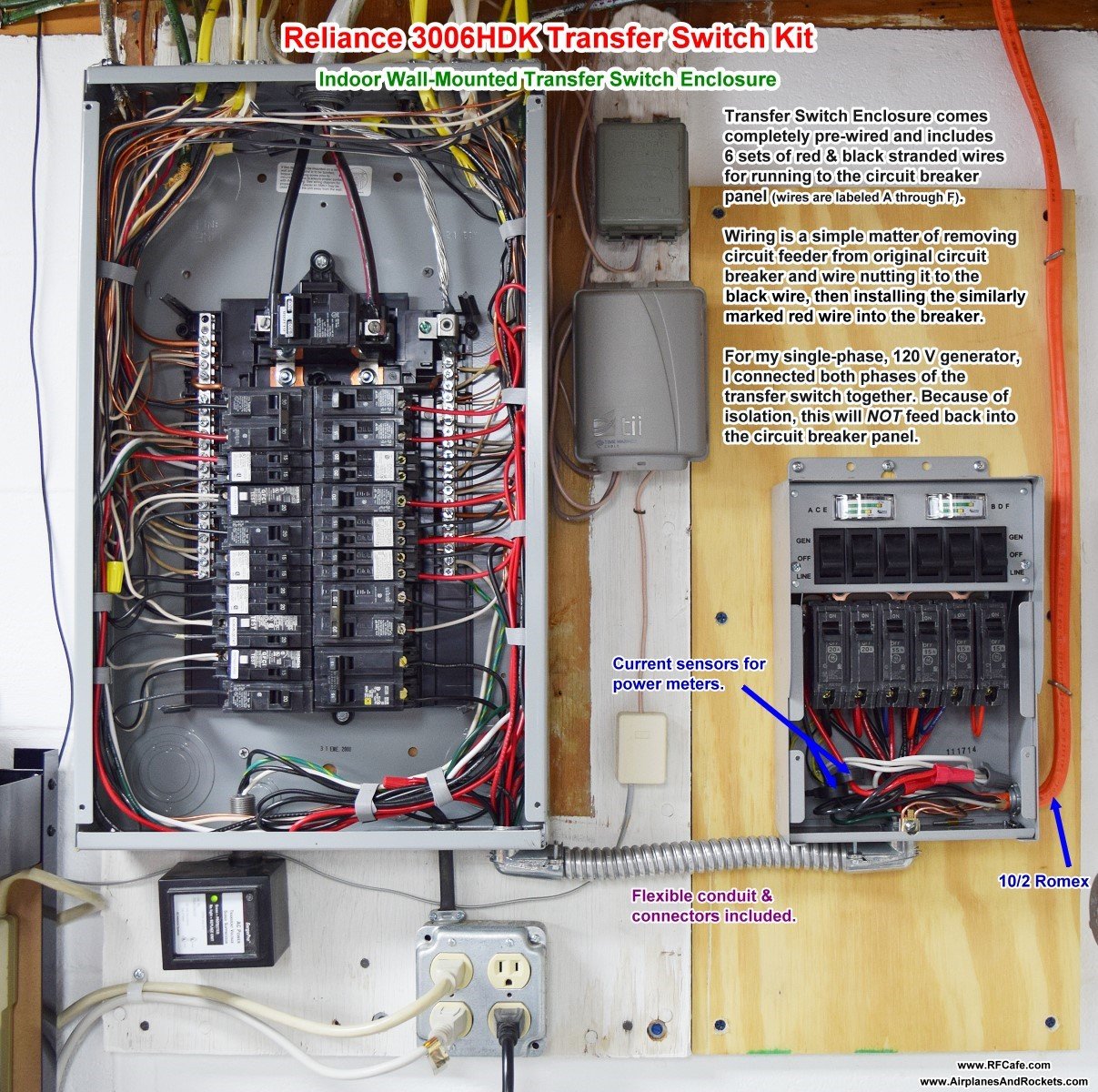
Here’s the super simplified rundown of what you’ll be doing:
Generator Placement: You’ll wheel your generator to a safe, outdoor spot, far away from windows and doors. Why? Because generators produce carbon monoxide, and we want that stuff nowhere near your living space. Safety first, always!
Plug It In: You’ll use a special, heavy-duty power cord to connect your generator to an outdoor power inlet box, which is wired to your transfer switch. This connection is robust and designed for serious power.

How To Connect Generator To Fuse Panel Start 'Er Up: You'll start your generator according to its manufacturer's instructions. Usually, a few simple pulls or the push of a button.
Flip the Switch: Head inside to your transfer switch panel. You'll flip the main switch from "utility" to "generator." Then, you can selectively turn on the individual circuits you want to power (kitchen, living room, a few bedrooms – whatever your generator can handle!).
And VOILA! Just like that, your lights are on, the fridge is purring, and your Netflix binge can resume. When the utility power returns, you simply reverse the process: flip the transfer switch back to utility, turn off your generator, and unplug it. Easy peasy lemon squeezy!

Beyond the Blackout: Embrace Your Inner Power Master!
Learning about this system isn't just about avoiding inconvenience; it's about embracing a sense of self-reliance and preparedness that feels genuinely empowering. It’s about knowing you have a plan B, a secret weapon against the unpredictable whims of nature or grid failures. It’s about transforming potential frustration into a moment of calm, capable action.
So, instead of dreading the next storm warning, imagine feeling a little buzz of excitement, knowing you're ready. Imagine being the one who keeps the coffee brewing, the music playing, and the good times rolling, no matter what. That, my friends, is not just about keeping the lights on; it's about keeping your spirit bright and making even the darkest moments a little more fun.
Ready to unlock this incredible skill and truly master your domain? Dive a little deeper, chat with a local electrician, and explore the possibilities. Your future, reliably-powered self will thank you!