
How To Hook A Generator Up To Your House
Ah, the dreaded power outage. One minute you're binge-watching your favorite show, the next you're plunged into an inky blackness, fumbling for your phone's flashlight like a caveman rediscovering fire. The fridge starts humming a mournful tune, and suddenly, you're faced with the cold, hard reality of living "pre-internet."
But fear not, intrepid homeowner! Because in your garage, or shed, or perhaps tucked away in a dusty corner of your basement, lies a magnificent beast: your generator. It’s your shining knight, your beacon in the dark, ready to bring light and Wi-Fi back to your humble abode. But hooking it up isn't like plugging in a toaster. Oh no. It requires a bit more finesse, a sprinkle of safety knowledge, and absolutely no heroics that involve bare wires and a prayer.
Why We Can't Just "Wing It"
Think of your house’s electrical system like a super-organized highway system. Electricity flows neatly from the utility company, through your meter, and into your house, powering everything. When the power goes out, it's like a major road closure. Your generator is a detour, but you need to make sure that detour doesn't accidentally send a high-speed car (electricity) down the wrong lane and into oncoming traffic (the utility lines that the poor lineman is trying to fix).
Must Read
This is called backfeeding, and it’s a big no-no. It can seriously injure or even kill a utility worker, and it can also fry your generator faster than you can say "Oops!" So, while the idea of a jerry-rigged extension cord snaking through a window might seem charmingly rustic, it's actually just plain dangerous. We want smiles, not sparks!
The Essential Dance Partners: What You'll Need
Before you even think about firing up that generator, let's talk about the key players:
-
The Generator Itself: Obviously. Make sure it's fueled up and ready to rumble. Think of it as a grumpy teenager who needs a good breakfast before facing the day.
-
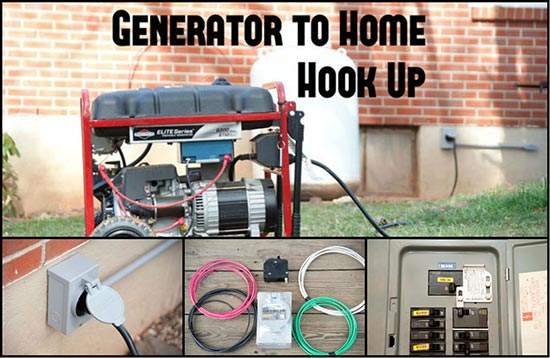
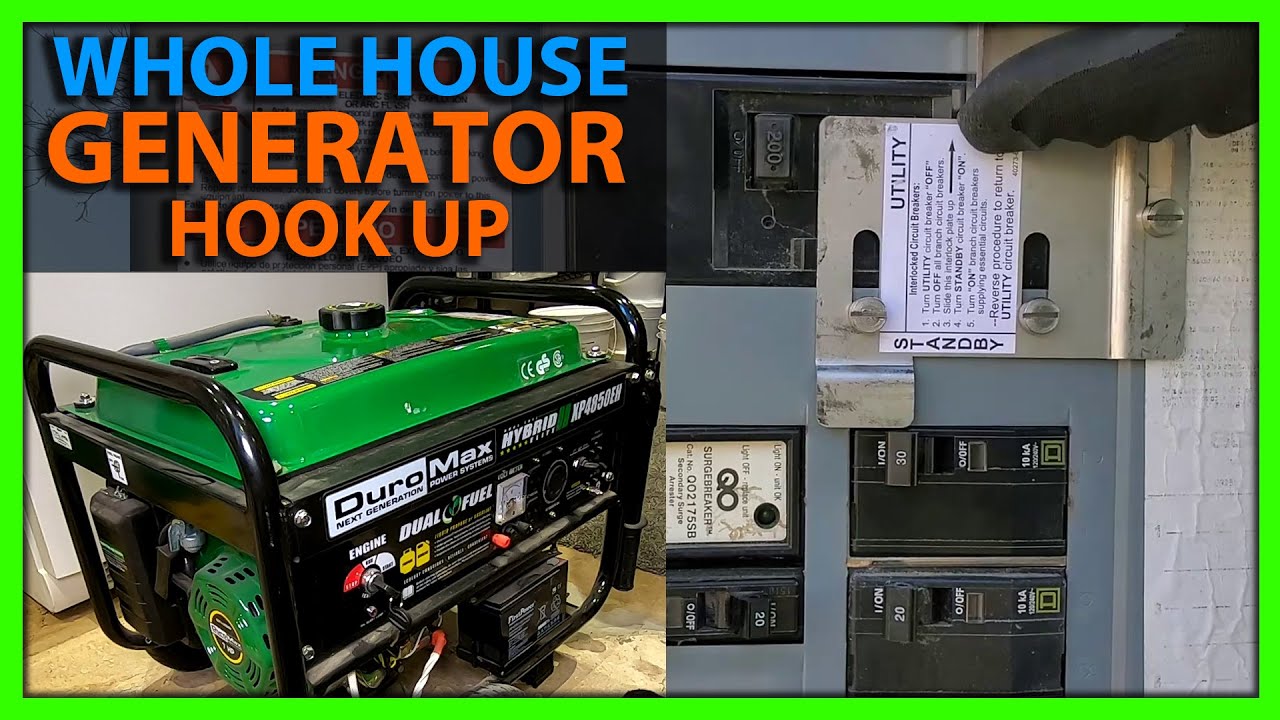
A Transfer Switch or Interlock Kit: This is the star of the show, the referee that ensures only one power source (utility or generator) is feeding your house at any given time. It's like a bouncer at a club, making sure only VIPs get in. This is non-negotiable for safety. If you don't have one, pause this mission and call an electrician. Seriously.
-
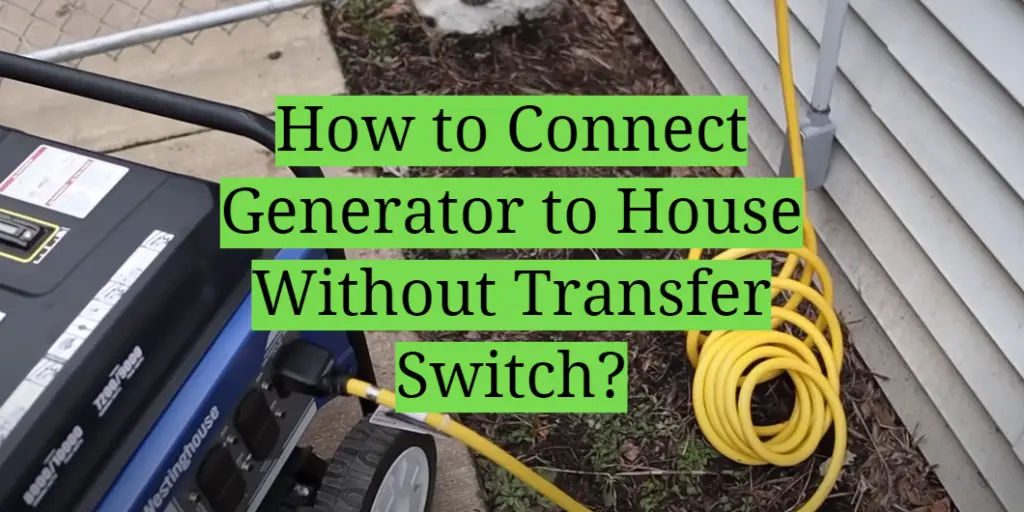
A Heavy-Duty Generator Cord: Not just any orange extension cord! This needs to be specifically designed for generators, with the correct plug type for your transfer switch and generator. It’s the super-strong leash for your electrical beast.
Home Generator Hook Up Options Easy Generator To Home Hook Up : 14 -
A Proper Grounding Rod (for portable generators without floating neutral): Some generators need a separate grounding rod driven into the earth. Consult your generator's manual. It's like giving your generator a secure anchor so it doesn't float off into electrical chaos.
Let's Get This Party Started! (The Safe Way)
Step 1: Prep Your Power Pal
First things first: set up your generator OUTSIDE. Never, ever run a generator indoors, in a garage, or even near windows or vents. Carbon monoxide is an invisible killer, and we want you around to enjoy your newly powered home! Find a dry, level spot at least 20 feet from your house. Check the oil, fill 'er up with fresh gas (if it’s a gas model), and make sure everything looks shipshape. Think of it as pre-flight checks for your personal power plant.
Step 2: Make the Connection (The Smart Way!)
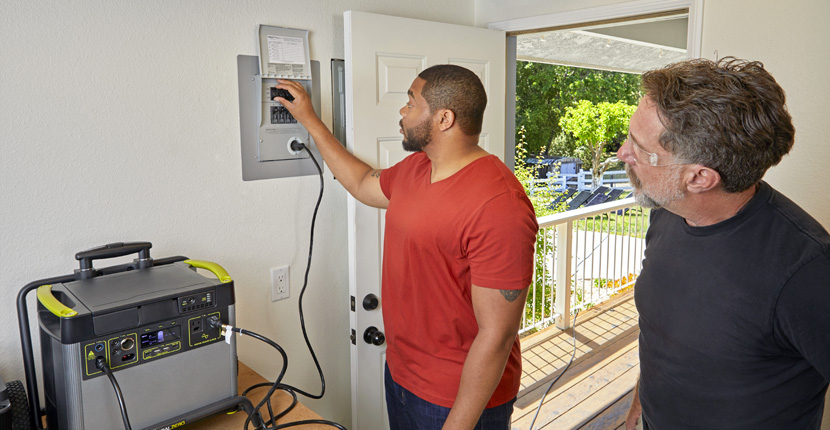
Now, this is where the magic (and safety) happens. Locate your transfer switch (usually near your main electrical panel). Connect one end of your heavy-duty generator cord to the generator's outlet. Then, connect the other end of that cord to the inlet box on your house, which is wired to your transfer switch. Make sure those connections are snug and secure. We don't want any wobbly bits here!

Crucial Reminder: Your transfer switch will have a handle or switch. Make absolutely sure it's in the "Utility" or "Off" position before you start the generator. We’re not playing chicken with electricity.
Step 3: The Roar and the Glow!
With everything securely connected and the transfer switch ready, it's time for the moment of truth! Follow your generator's specific starting instructions – choke, pull cord, push button, recite an ancient incantation, whatever it takes! Once it springs to life, give it a moment to warm up, like an athlete stretching before a big race.
Now, head back to your transfer switch. Flip the switch from "Utility" (or "Off") to "Generator." You might hear a satisfying click or thunk. And then, like magic, a flicker of light, a hum of appliances, and suddenly, your house is back in business! The collective sigh of relief will be audible, even over the generator’s happy rumble.
Step 4: Power Management 101
Remember, your generator isn't the utility company. It has limits! Don't try to run every single appliance in your house simultaneously. Think of it like a buffet with a limited number of plates. Prioritize! Fridge, freezer, a few lights, phone chargers, maybe the Wi-Fi router (because let's be real, sanity depends on it). Turn off heavy-draw items like electric dryers, central air conditioning, or electric water heaters unless your generator is specifically sized for them.
Monitor your generator. Keep an eye on fuel levels and listen for any unusual noises. Refuel only when the generator is off and cool – we're powering our home, not starting a bonfire.
The Sweet Victory
And there you have it! You’ve tamed the electrical beast, brought light back to your kingdom, and probably earned bragging rights for the next family gathering. No more fumbling in the dark, no more lukewarm perishables. You’ve faced the outage, embraced the generator, and come out victorious. Now go on, charge your phone, re-heat that coffee, and bask in the warm glow of your self-generated power. You’ve earned it, you savvy, power-providing superhero!