
How To Get More Channels With An Indoor Antenna

Alright, folks, gather 'round! Let's talk about rabbit ears, those glorious, if slightly embarrassing, relics of a bygone era. You know, the indoor antenna? The thing your grandma still swears by, even though she also thinks the internet is delivered by carrier pigeons? Well, guess what? They're back, baby! And they're not just for watching black and white reruns of I Love Lucy anymore. We're gonna dive deep into how to squeeze every last channel out of that little piece of technology.
First things first: why even bother? I mean, we've got streaming services galore! But let's be honest, are you really using all those subscriptions? Or are you paying for 17 different platforms to watch the same three shows? Plus, think of the bragging rights! "Oh, you're paying $80 a month for cable? I'm getting crystal-clear local news for free!" You'll be the envy of the neighborhood, I tell ya! Think of all the money you save, buy a solid gold toilet. It's an investment!
Location, Location, Location!
Okay, so you've got your antenna. Now what? Don't just plop it down next to your TV and expect miracles. Finding the perfect spot is like finding the Holy Grail, except instead of eternal life, you get to watch Judge Judy without cable fees. Worth it, right?
Must Read
Seriously, experiment! Start by putting the antenna near a window. Seems obvious, but you'd be surprised how many people try to make it work in a basement closet. Signals travel through the air, not through concrete (unless you live in a cartoon. In that case, disregard everything I'm saying).
Here's a pro tip: higher is better. Think about it: less stuff in the way. Put it on top of a bookshelf, tape it to the wall (don't worry, I won't tell anyone), or even try balancing it on a precarious stack of encyclopedias. Just, you know, be careful. We don't want any Darwin Award nominations.
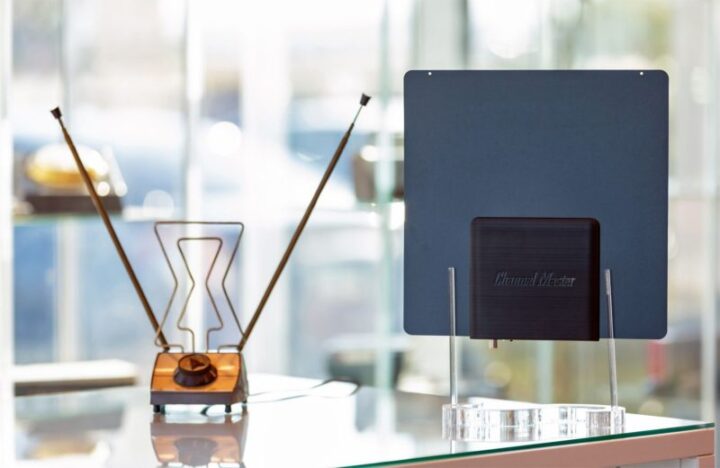
The Art of Antenna Adjustment
This is where things get interesting. Remember those adjustable rabbit ears? They're not just for show! (Although, let's be real, they are pretty stylish.) Adjusting the length and angle of the antennas can make a huge difference.
Think of it like this: you're trying to catch invisible butterflies (the TV signals) with a net (the antenna). If your net is the wrong size or angle, you're not gonna catch anything! So, tweak those ears! Rotate them, extend them, retract them. Channel surfing will become channel dancing! If your antenna has a dial, rotate it slowly and patiently, each degree matters.
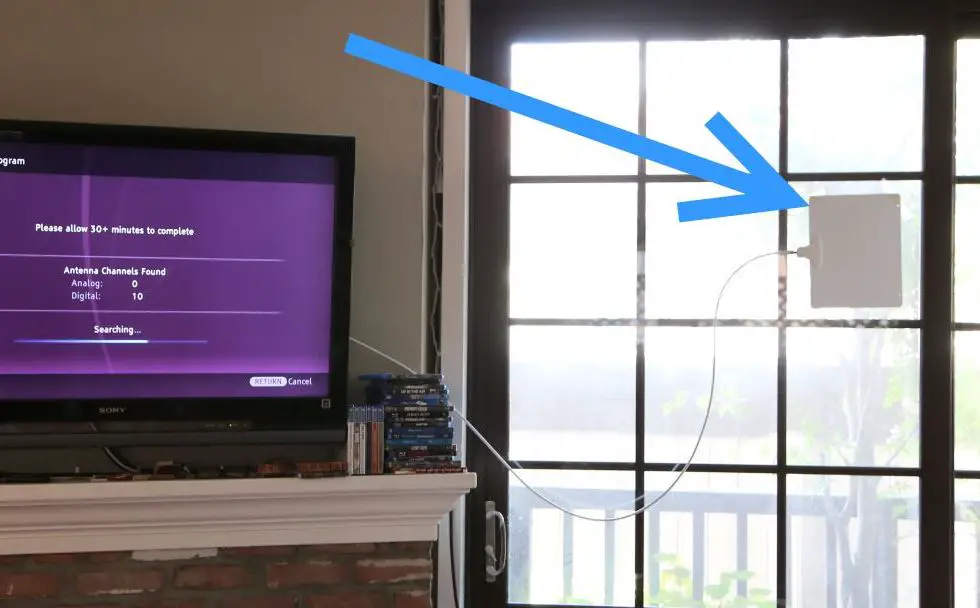
And don't forget to rescan for channels after each adjustment. Your TV needs to know you've found new "butterflies." It's like updating its butterfly database, if TVs had those.
Dealing with Interference: The Nemesis of Free TV
Okay, let's talk about the bad guys: interference. These are the things that can mess with your signal and turn your crystal-clear picture into a blurry mess of pixels. Common culprits include:
- Walls: Brick, concrete, and metal are signal kryptonite.
- Electronics: Microwaves, routers, and even your neighbor's Wi-Fi can interfere.
- Weather: Rain, snow, and especially solar flares can wreak havoc. (Seriously, solar flares!)
So, what can you do? Move your antenna away from potential sources of interference. Try a different window. If all else fails, consider a signal amplifier. These little gadgets boost the signal and help overcome obstacles. Think of them as super-powered antenna steroids. Use with caution, may cause excessive channel surfing.
Another fun fact: Did you know that some types of light bulbs can actually interfere with TV signals? Turns out, that energy-efficient bulb might be robbing you of free Judge Judy. Who knew?!
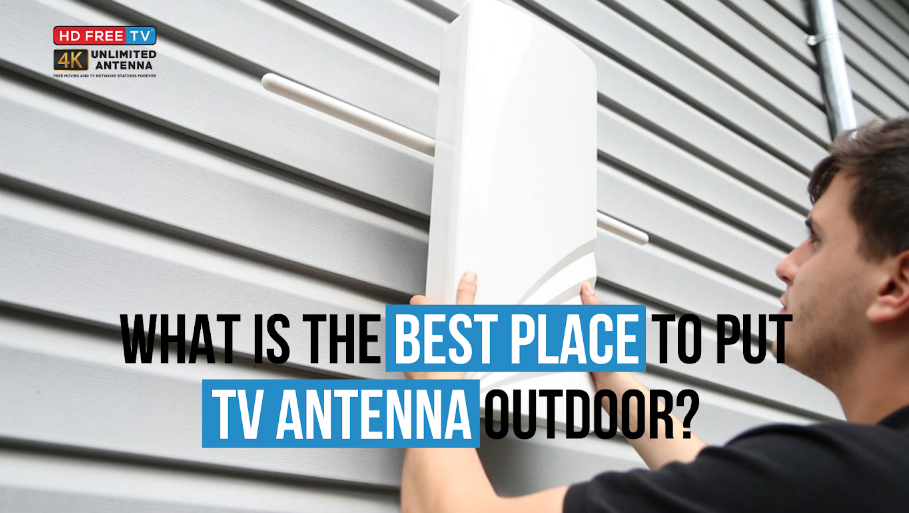
The Ultimate Weapon: A Better Antenna
Sometimes, no matter how much you tweak and adjust, your antenna just isn't up to the task. Maybe it's too small, too weak, or just plain ugly. In that case, it's time to upgrade! There are tons of different indoor antennas on the market, from basic rabbit ears to sleek, amplified models. A flat omnidirectional antenna with a wider range can work wonders. You should check out the antenna reviews before investing in one.
When choosing an antenna, consider the distance to your local broadcast towers. The further away you are, the more powerful antenna you'll need. (Think of it like trying to yell across a football field. A whisper won't cut it; you need a megaphone!).
And finally, remember the most important rule of all: have fun! Getting more channels with an indoor antenna can be a bit of a treasure hunt. So, grab a snack, crank up the tunes, and get ready to explore the wonderful world of free over-the-air TV. You might just be surprised at what you find. Happy viewing!