How To Get Carbon Monoxide Out Of House
Hey there, let's chat about something super important for every home, but often overlooked until it's an emergency: carbon monoxide (CO) safety. Now, "fun" might not be the first word that springs to mind when we talk about a silent killer, but understanding how to handle CO in your home is actually incredibly empowering. It’s about being prepared, not panicked, and that knowledge brings a deep sense of peace and security. Think of it as mastering a vital home skill, like knowing where your main water shut-off is. It’s useful, it’s necessary, and frankly, it’s a topic everyone should feel comfortable discussing.
So, who benefits from knowing the ins and outs of CO removal? Practically everyone! For beginners and first-time homeowners, this is foundational knowledge for setting up a safe and sound living space. It’s part of the homeowner starter kit, ensuring your sanctuary is truly safe. For families, it’s about safeguarding your most precious cargo – your children, your elderly loved ones, and even your pets – who can be more vulnerable to CO's effects. Knowing what to do can help you create a protective bubble around your home. Even for the hobbyists among us, like DIY enthusiasts working in the garage, campers using portable heaters, or anyone with a generator, understanding CO risks and reactions is crucial for staying safe while enjoying your passions.
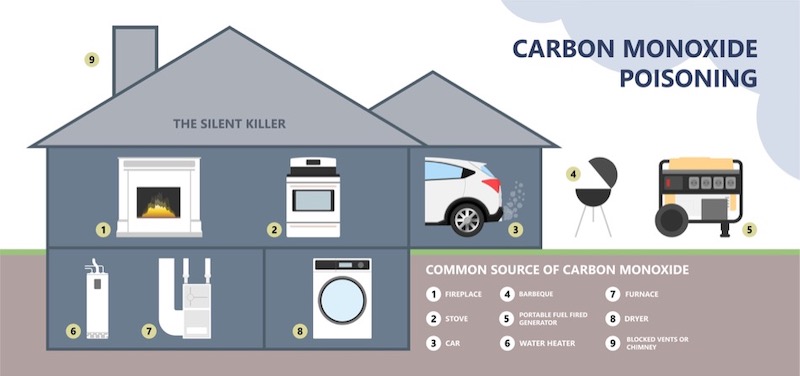
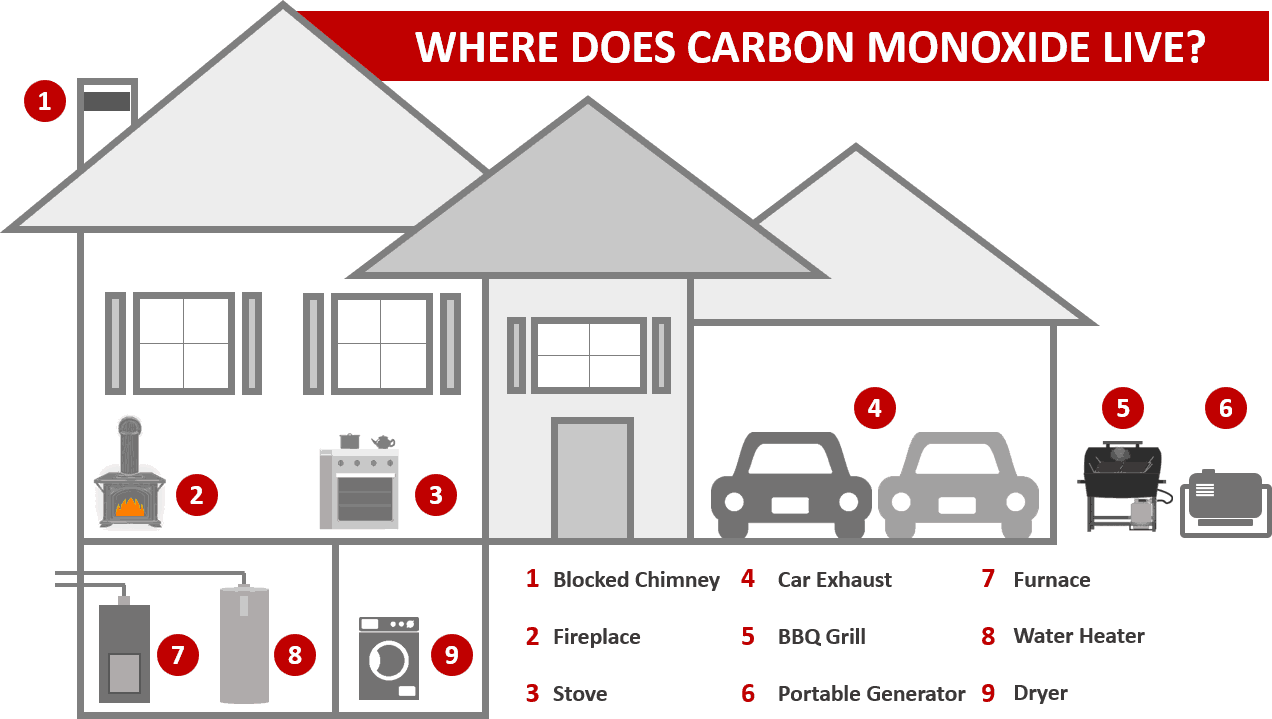
Carbon monoxide can creep into our homes from many common sources: a faulty furnace, a leaky water heater, a gas stove, a fireplace with a blocked flue, or even car exhaust if a vehicle is left running in an attached garage. The scary thing is, you can't see it, smell it, or taste it. This is why a CO detector is your best friend. But what if that alarm goes off, or you start feeling symptoms like headaches, dizziness, nausea, or confusion? That’s where knowing what to do comes in. It's about reacting quickly and correctly to variations in these scenarios, whether it's a blaring alarm or a sudden onset of flu-like symptoms that don't quite feel right.
Must Read
Alright, let’s get down to the simple, practical tips for getting started – or rather, getting CO out of your house – if the worst happens. First and foremost, if your CO detector sounds or you suspect CO poisoning, the absolute first step is to get fresh air immediately. Don't waste time; open windows and doors, and if possible, evacuate everyone to the outdoors. If you can safely do so on your way out, turn off the potential source of CO, such as your furnace or stove. Once outside, the next crucial step is to call 911 or your local emergency services. They have the equipment to check CO levels and ensure it's safe to re-enter. Do not go back inside until professionals have given you the all-clear. And as a proactive "getting started" tip: if you don't already have one, install a CO detector on every level of your home, especially near sleeping areas, and test it regularly!
So, while talking about carbon monoxide might not be as "fun" as planning your next vacation, the immense value and peace of mind that come from knowing how to handle it are truly priceless. It’s about being a responsible homeowner, a caring family member, and an overall savvy individual. There’s a quiet satisfaction in knowing you’re prepared, keeping your loved ones safe, and making your home the secure haven it should be.