
How To Get Better Reception On Antenna Tv

Okay, so you've ditched cable (high five!) and embraced the glorious world of free, over-the-air antenna TV. Smart move! But what happens when you're all set to binge-watch that classic sitcom and... crackle, fizz, snowstorm... your reception is worse than a dial-up connection in a blizzard? Don't throw your antenna out the window just yet! There's hope. Let's troubleshoot this together, shall we?
Location, Location, Location: It's Not Just for Real Estate!
Think of your antenna like a plant. It needs the right environment to thrive. Where you put it can make a HUGE difference. Is it tucked away in a dark corner? Maybe it's time for a change of scenery.
Why is location so important? Well, TV signals are basically radio waves, and they don't always have an easy time navigating buildings, trees, and other obstacles. Think of it like trying to hear someone whispering from across a crowded room versus being right next to them. Obvious, right?
Must Read
Here's the lowdown:
- Go high: Higher is almost always better. Think roof, attic, or even just on top of a tall bookshelf.
- Face the source: Find out where the TV towers are in your area (there are tons of free online tools to help with this!). Aim your antenna in that general direction.
- Avoid interference: Keep your antenna away from metal objects, appliances, and anything else that could potentially block or disrupt the signal. Remember that crowded room analogy? Metal is like a wall in that room.
Antenna Types: Not All Antennas Are Created Equal
Did you know there's more than one type of antenna? It's true! Choosing the right antenna is like picking the right tool for a job. You wouldn't use a hammer to paint a wall, would you? (Unless you're going for a very abstract look.)
:max_bytes(150000):strip_icc()/VH240-setup-Diagram-grey-5c5df6f846e0fb000127c848.jpg)
So, what are your options?
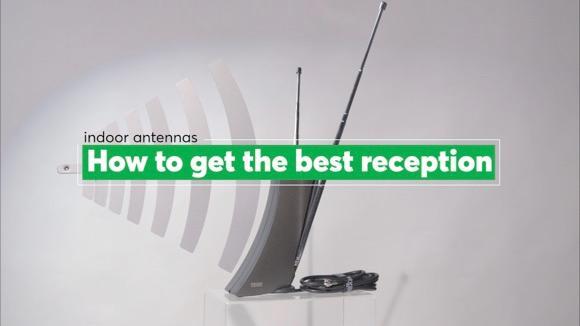
- Indoor Antennas: These are the most common and often the easiest to set up. Great for urban areas with strong signals. Think of them as the "city slickers" of the antenna world.
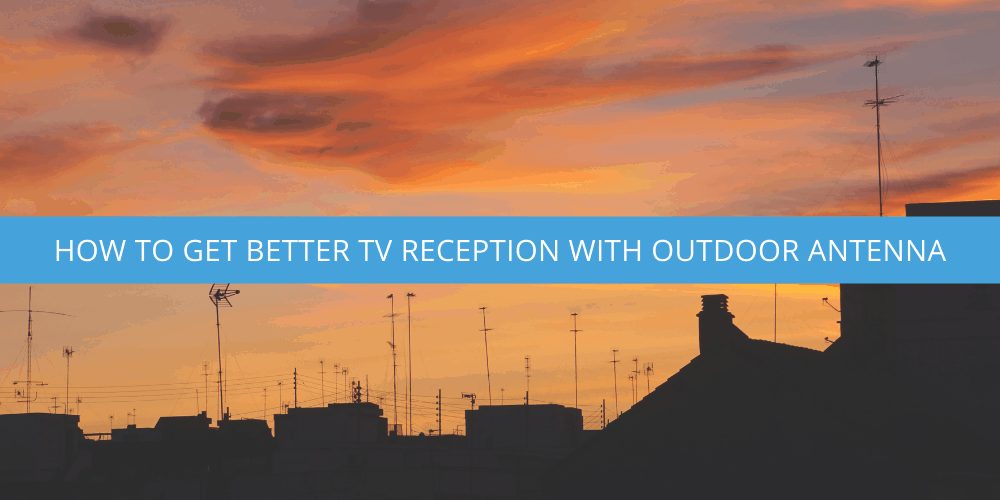
- Outdoor Antennas: These are the heavy hitters. They're designed to pull in weaker signals from farther away. Perfect for rural areas or places with lots of obstructions. These are the "country strong" antennas.
- Attic Antennas: A good compromise between indoor and outdoor. They offer better reception than indoor antennas while being protected from the elements. The "suburban sensible" choice, maybe?
Consider your location and signal strength when choosing an antenna. If you're close to the broadcast towers, a simple indoor antenna might be all you need. But if you're further away, an outdoor antenna could be a lifesaver.
Amplifiers: Boosting the Signal (But Not Always!)
An amplifier is like a megaphone for your TV signal. It takes a weak signal and makes it stronger. Sounds great, right? Well, not so fast.
Here's the thing: Amplifiers can also amplify noise. Think of it like turning up the volume on a radio that's not tuned in properly. You'll just get louder static. Amplifiers are best used in areas where you have a weak signal but it's relatively clean.
If you're already getting a decent signal, an amplifier might actually hurt your reception. Experiment and see what works best for you. Don't assume more power is always better!

Cables and Connections: The Unsung Heroes
A loose or damaged cable can wreak havoc on your reception. Think of it like a leaky garden hose – you're not going to get a strong stream of water if there's a hole in the hose!
Check all your connections: Make sure the cable is securely connected to your antenna and your TV. Use high-quality coaxial cable for the best results. Avoid cheap, flimsy cables – they can degrade the signal. Treat your cables with respect!
Fine-Tuning and Rescanning: The Finishing Touches
Once you've tried all the tips above, it's time to fine-tune your antenna's position. Slowly rotate the antenna and watch the signal strength meter on your TV. The goal is to find the sweet spot where you get the strongest and clearest signal.
Rescan for channels: After making any adjustments to your antenna, you'll need to rescan for channels on your TV. This tells your TV to search for all the available channels in your area. Most TVs have a "scan for channels" or "auto-program" option in the settings menu.
Patience, Young Grasshopper!
Getting good antenna TV reception can sometimes be a bit of a trial-and-error process. Don't get discouraged if you don't get perfect results right away. Keep experimenting with different locations, antenna types, and amplifier settings. You'll eventually find the setup that works best for you. And when you do, you'll be rewarded with hours of free, over-the-air entertainment. Happy watching!