
How To Find Total Liabilities And Stockholders Equity

Ever wondered what keeps a business afloat? It’s not just dreams and lattes, folks. It’s about keeping track of what you owe (liabilities) and what you actually own (equity). Think of it as knowing the difference between your mountain of credit card debt and the joy of finally owning that vintage record player!
The Balance Sheet: Your Business’s Secret Diary
The magic all happens on a financial statement called the Balance Sheet. It's a snapshot of a company’s assets, liabilities, and equity at a specific point in time. Imagine it's like taking a Polaroid of your finances. It's not a movie, just a single, revealing picture.
You’ll find this goldmine of information usually published on a company’s website under "Investor Relations" or in their annual report. Public companies are required to share this info, so it’s easier to find than you might think. Think of it like treasure hunting, but instead of gold doubloons, you're finding financial figures!
Must Read
Liabilities: The “Oops, I Owe You” Column
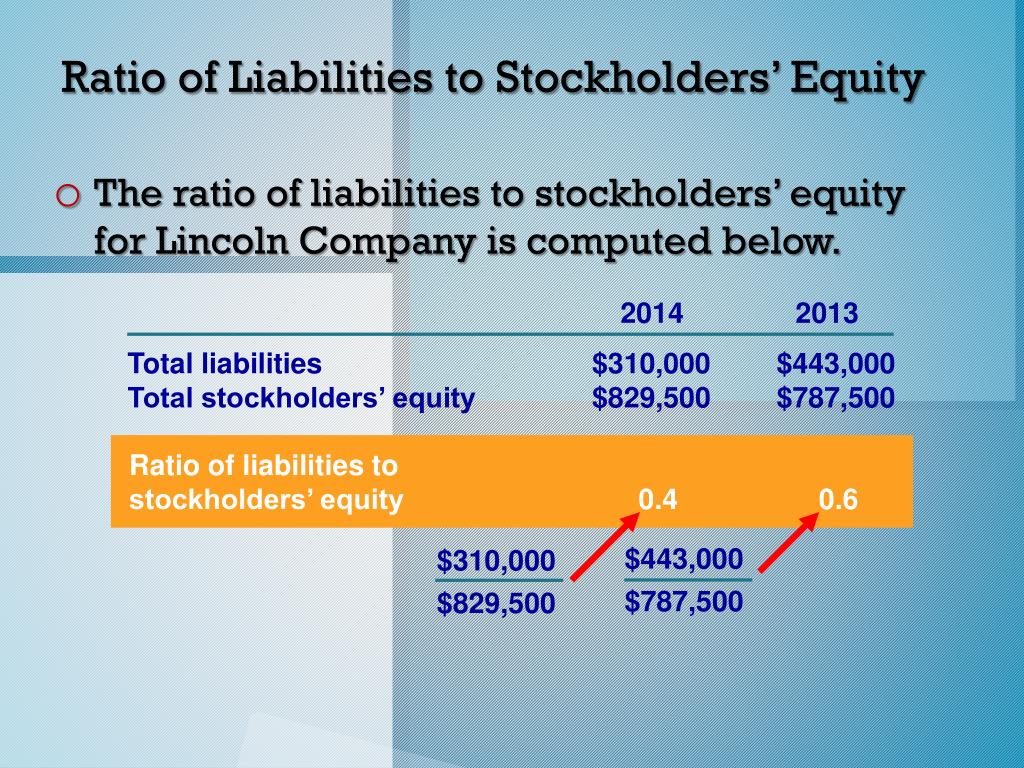
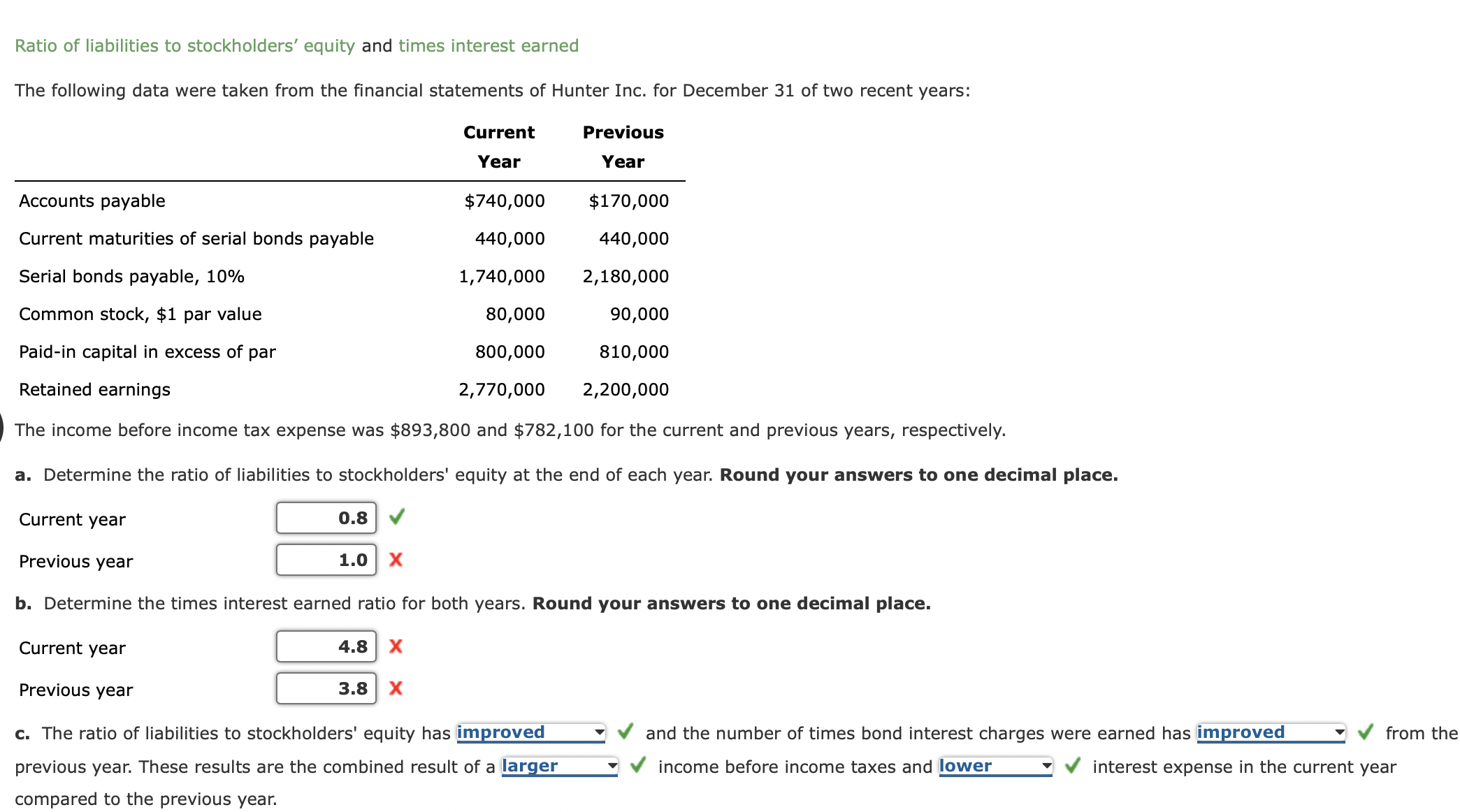
Liabilities are simply what a company owes to others. It's the sum total of all those "IOUs" floating around. This can include bank loans, accounts payable (money owed to suppliers), salaries owed to employees, and even taxes waiting to be paid. Think of it as that growing pile of bills on your kitchen counter that you keep meaning to tackle (we’ve all been there!).
To find the total, just scan down the liabilities section of the balance sheet and add them all up. You might see categories like “Current Liabilities” (due within a year) and “Long-Term Liabilities” (due further out). Don't be intimidated by the financial jargon. It’s really just a fancy way of saying "short-term debt" and "long-term debt.” It’s the company acknowledging that, yes, they borrowed money and yes, they plan to pay it back (hopefully!).

Stockholders' Equity: The "What's Left for Us?" Pot of Gold
Stockholders' Equity, sometimes called shareholders' equity, represents the owner's stake in the company. It's what would theoretically be left over if the company sold all its assets and paid off all its liabilities. It’s essentially the “net worth” of the company from the shareholders’ perspective.
Finding it is often simpler than you think. Look for a line item specifically labeled "Stockholders' Equity" or "Shareholders' Equity." It might also be broken down into components like "Common Stock," "Retained Earnings," and "Additional Paid-in Capital."
Imagine you have a lemonade stand. Your assets are your pitcher, lemons, sugar, and cash. Your liabilities are the cost of those lemons and sugar that you haven't paid for yet. Your equity is what's left over after you sell enough lemonade to cover those costs. That's what you, the owner, get to keep!
The Accounting Equation: A Perfectly Balanced See-Saw
The beautiful, almost poetic part of all this is the fundamental accounting equation:
Assets = Liabilities + Stockholders' Equity
Think of it as a perfectly balanced see-saw. One side represents everything a company owns (assets), and the other side represents how those assets were financed (liabilities and equity). It’s like saying, "Everything we have, we either borrowed or invested to get.”
This equation always has to balance. If it doesn't, Houston, we have a problem! It means there's an error somewhere in the financial records. It's the accounting world's version of a plot twist in a mystery novel.
So, the next time you're curious about a company, don't just admire their products or services. Take a peek at their balance sheet. You might be surprised by what you discover. It’s more than just numbers; it’s the story of a company’s financial journey. And who knows, maybe you’ll find a hidden gem or two (or at least understand where all those lattes are coming from!).
