How To Find The Expiration Date Of A Car Seat
Ever found yourself peering at a carton of milk, wondering if it's still good? Or perhaps you've stumbled upon an old yogurt in the back of the fridge, its "best by" date a distant memory. It's a common part of daily life, keeping track of freshness, isn't it?
Well, here's a little secret that might surprise you: your car seat, that sturdy guardian of your precious cargo, also comes with an expiration date! And learning how to find it isn't just a useful bit of trivia; it's a superpower for ensuring the safety and well-being of the little ones in your life. It's a curious detail that, once you know it, feels incredibly important and oddly satisfying to check off your list of grown-up responsibilities.
So, why exactly do car seats have an expiry date? It’s not like they turn green or smell funny! The purpose is surprisingly logical and rooted deeply in safety. Over time, the materials that make up a car seat – the sturdy plastics, the durable fabrics, the strong harness straps – can degrade. Exposure to sunlight, extreme temperatures, and even everyday wear and tear can weaken these components, making them less effective in a crash. Furthermore, safety standards and technology are constantly evolving. A seat manufactured a decade ago, while cutting-edge at the time, might not meet the rigorous protections offered by today’s designs. The expiration date ensures that your child is always protected by a seat made with materials still at their peak performance and designed to current safety benchmarks. The benefit is immense: peace of mind, knowing you've done everything you can to keep your child safe on the road.
Must Read
This knowledge isn't just for theoretical discussions; it has real-world applications in your daily life. Imagine you’re expecting a new arrival and a friend offers you a hand-me-down car seat. Your first instinct might be gratitude, but armed with this knowledge, your first step will be to check that expiration date. It's an indispensable check for anyone reusing or acquiring a second-hand seat. In an educational setting, this makes for a fantastic segment in parenting classes or new driver safety courses, highlighting an often-overlooked but vital aspect of child passenger safety. It empowers new parents, grandparents, and caregivers to make informed decisions, transforming what could be a dangerous oversight into a moment of informed care.
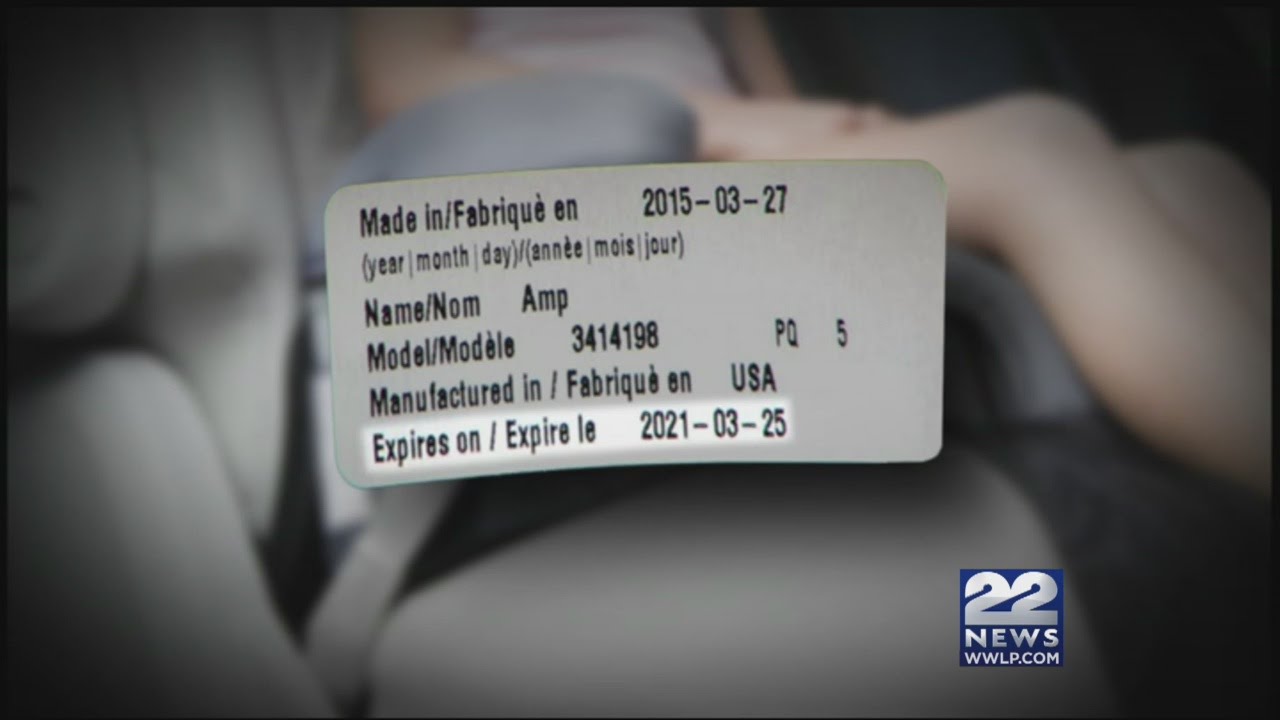
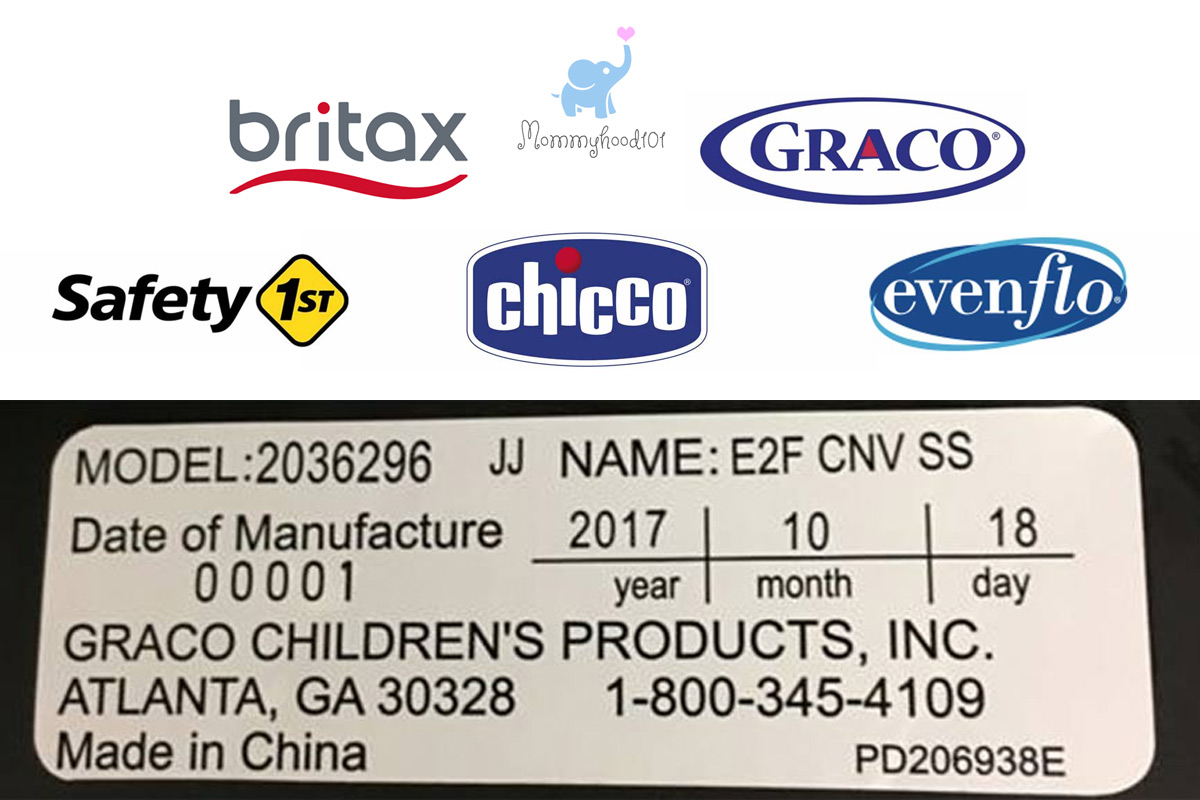
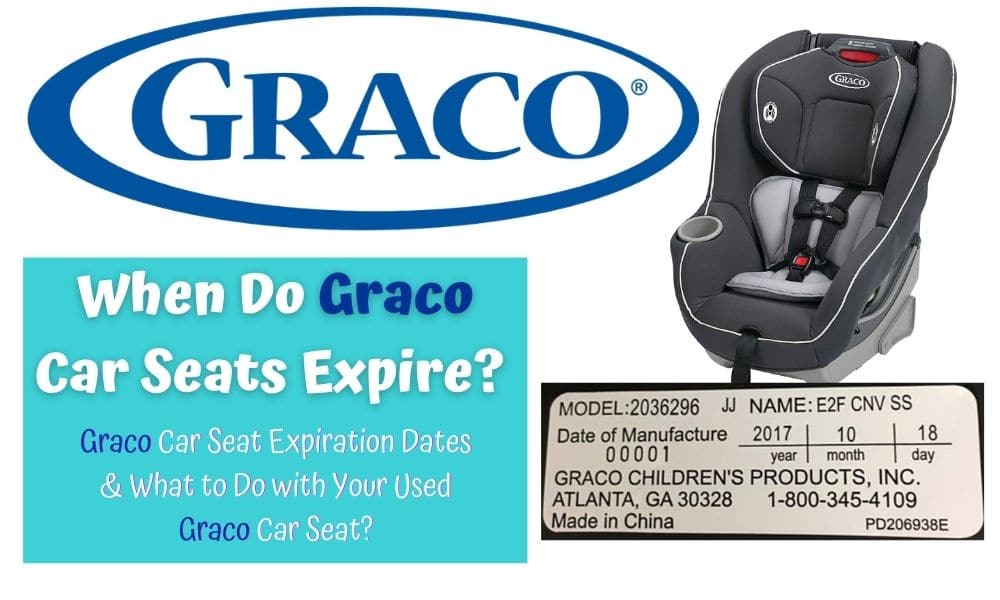
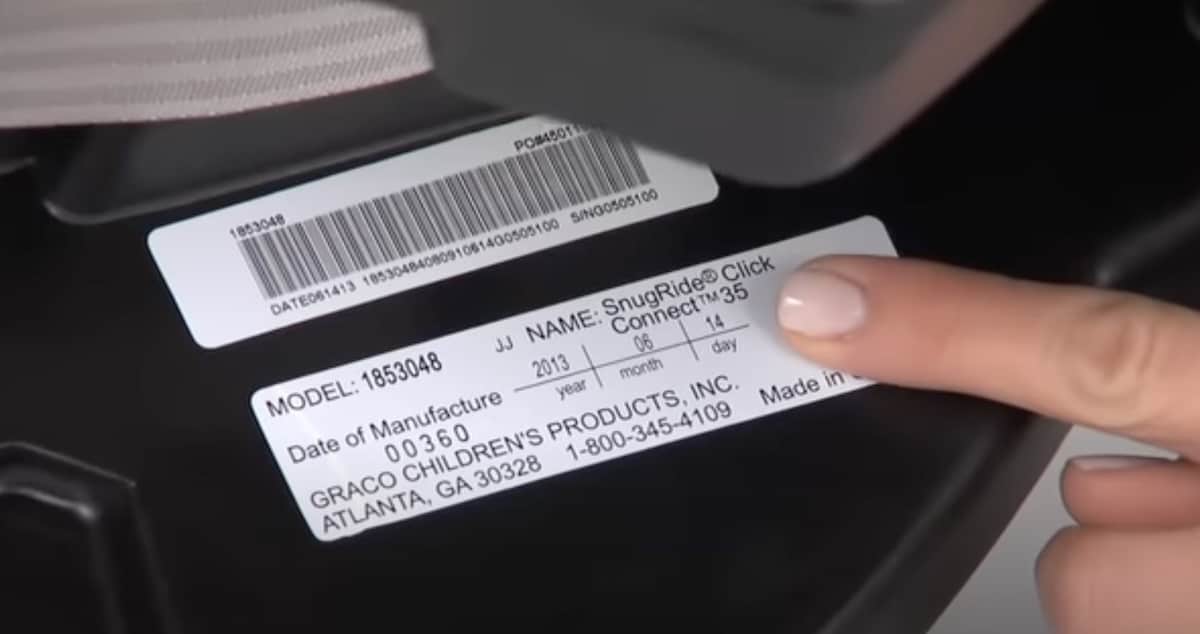
Ready to embark on your own car seat detective adventure? It’s simpler than you might think! Most manufacturers print or mold the expiration date directly onto the car seat itself. You'll typically find it on a sticker or embossed into the plastic on the underside, side, or back of the seat. Sometimes, it's explicitly stated as "DO NOT USE AFTER" or "EXPIRATION DATE." Other times, you might find a "Date of Manufacture" (DOM), and the expiration is a set number of years (often 6-10, but always check the specific seat's manual or manufacturer's guidelines). Don't be afraid to grab a flashlight and really poke around! The labels might be tucked away or slightly faded, but they're there. If all else fails, the instruction manual is your best friend, or a quick visit to the manufacturer’s website with your seat’s model and serial number can clear things up. Remember, knowing this date is a powerful step towards ensuring the safest possible ride for every little passenger.