
How To Find Expiration Date On A Car Seat
Ever thought about how many things in our lives have expiration dates? Food, makeup, medicine... even the milk in your fridge eventually calls it a day. But here’s a quirky thought that might not have crossed your mind: car seats also have expiration dates!
Sounds a bit weird, right? Like, why would a piece of sturdy plastic and fabric suddenly decide it’s had enough? Well, buckle up (pun intended!) because we’re about to dive into this intriguing little secret, and discovering it is actually a super important step for keeping our tiniest passengers safe.
Why the Heck Does a Car Seat Expire Anyway?
You might be picturing a car seat spontaneously combusting or dissolving into dust, but it’s nothing quite so dramatic. The reasons are actually pretty sensible, when you think about it.
Must Read
Imagine your favorite pair of sneakers. They might look fine on the outside, but after miles of walking, running, and all sorts of weather, the cushioning gets compressed, the tread wears down, and they just don't offer the same support, right? Car seats are kind of similar, but with much higher stakes.
Here’s the lowdown:
Material Fatigue: Car seats are made of plastics, metals, and fabrics. Over time, and with constant exposure to extreme temperatures (think scorching summer car interiors and freezing winter mornings), these materials can degrade. The plastic can become brittle, the foam cushioning less effective, and even the harness straps can weaken. It’s like an old rubber band – it might look okay, but it’s not as elastic or strong as it once was.
Wear and Tear: Spills, bumps, constant buckling and unbuckling, moving the seat between cars... it all adds up! These everyday stresses take their toll on the components.
Evolving Safety Standards: Just like technology, car seat safety research is always advancing. What was considered top-notch protection ten years ago might be surpassed by newer, even safer designs and materials today. An expired seat won't necessarily meet the most current and robust safety regulations.
Recalls and Part Availability: Older models might have had recalls that were addressed, or replacement parts might no longer be available. An expiration date helps ensure seats with potential issues are taken out of circulation.
Car Seat Expiration: Everything Parents Need to Know - Kid Travel
So, an expiration date isn't just a suggestion; it's a critical measure to ensure the seat performs as intended during that moment you hope never comes – a car crash. It's all about making sure that hidden strength is still there when it counts most.
Alright, So How Do I Find This Elusive Date?
Ready for your little treasure hunt? Finding the expiration date isn't usually as obvious as a "Best By" sticker on a carton of eggs. It often requires a bit of detective work, but once you know where to look, it’s pretty straightforward.
Step 1: Get Down and Dirty (a Little)!
Grab your car seat. You're going to need to inspect it thoroughly. Sometimes the date is right there; other times, it's playing a bit of hide-and-seek.
Step 2: Check the Labels and the Plastic Itself.
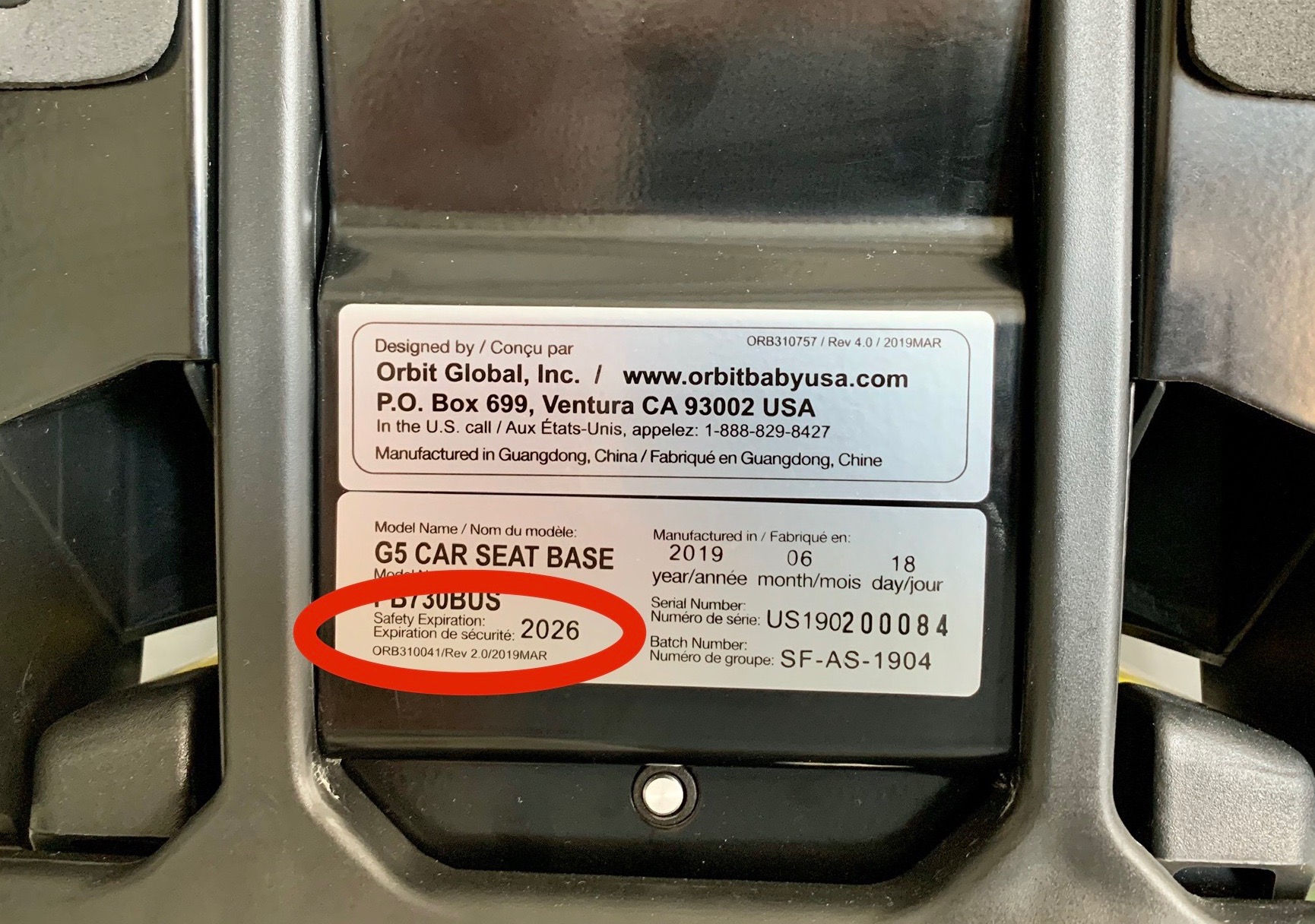
Most commonly, you'll find the information on a large, white label. These labels are typically located:
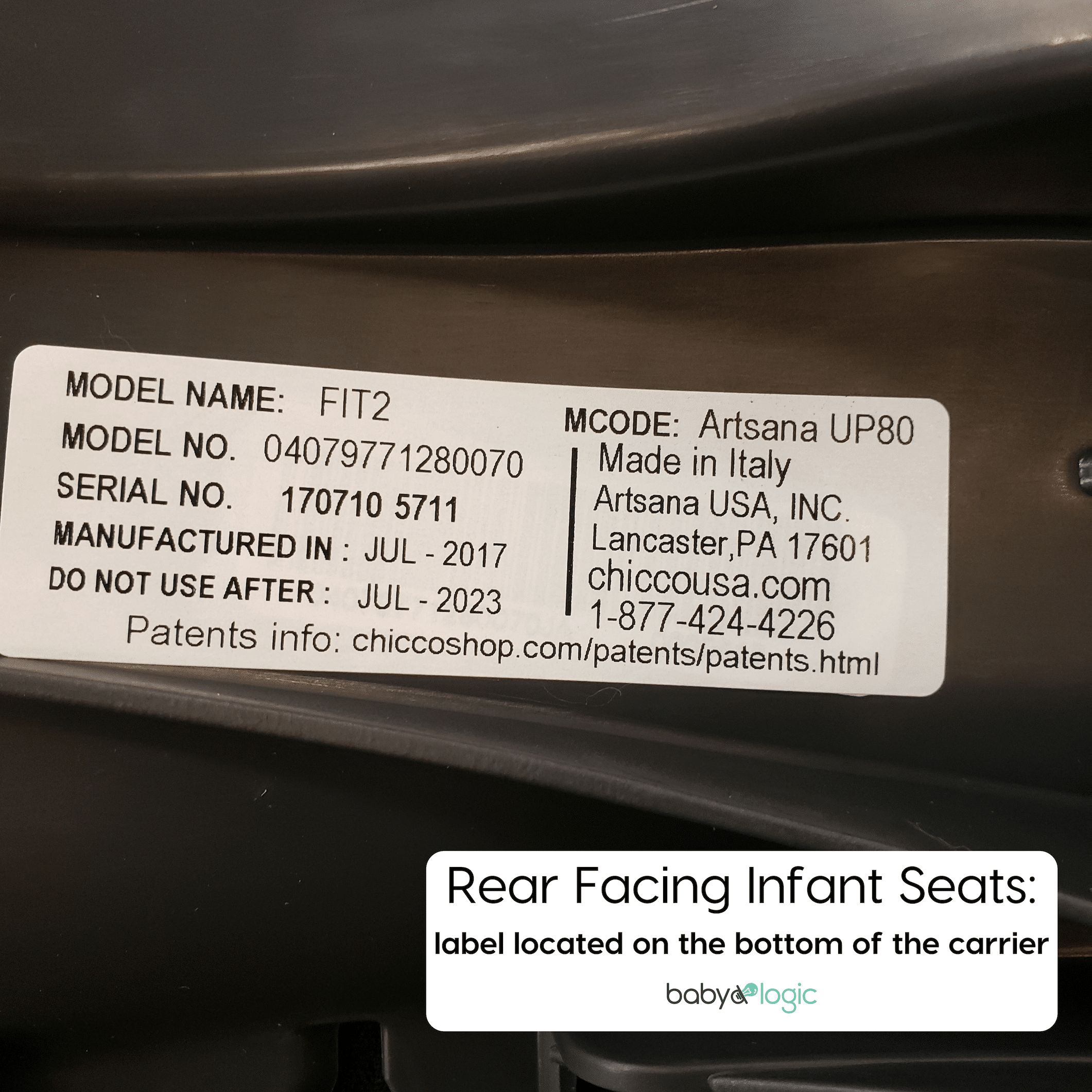
On the bottom of the car seat.
On the side of the car seat shell.
On the back of the car seat.
Sometimes, less commonly, underneath the seat pad or fabric cover.
It can also be molded directly into the plastic of the car seat shell, rather than on a sticker. So, run your hands over the plastic parts too!
Step 3: What Are We Looking For?
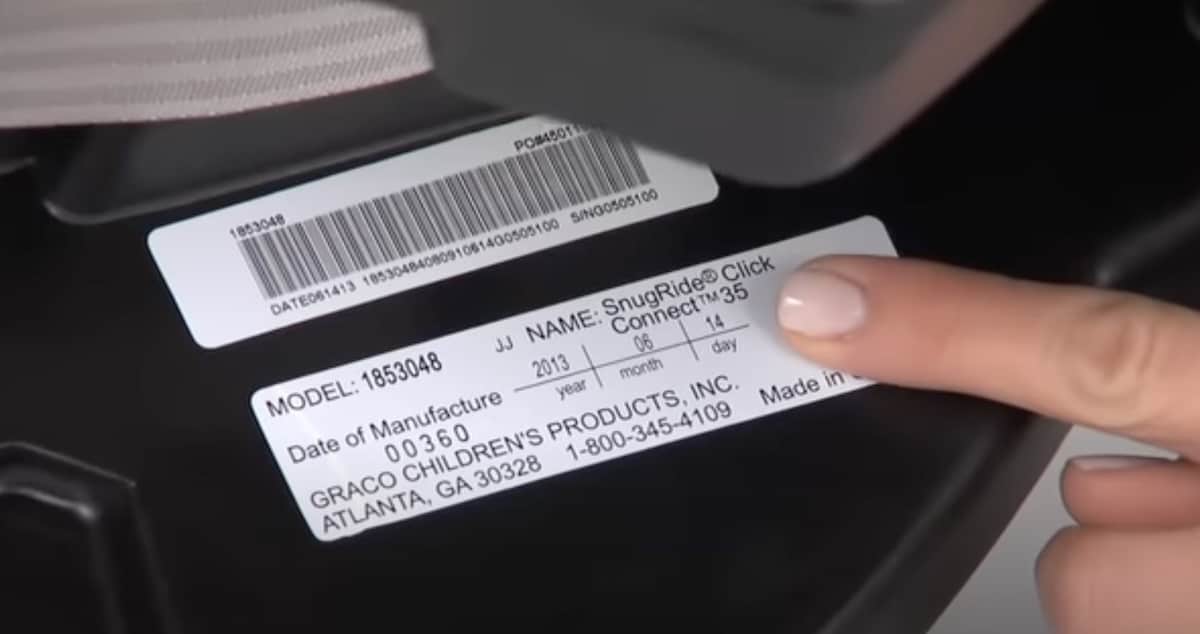
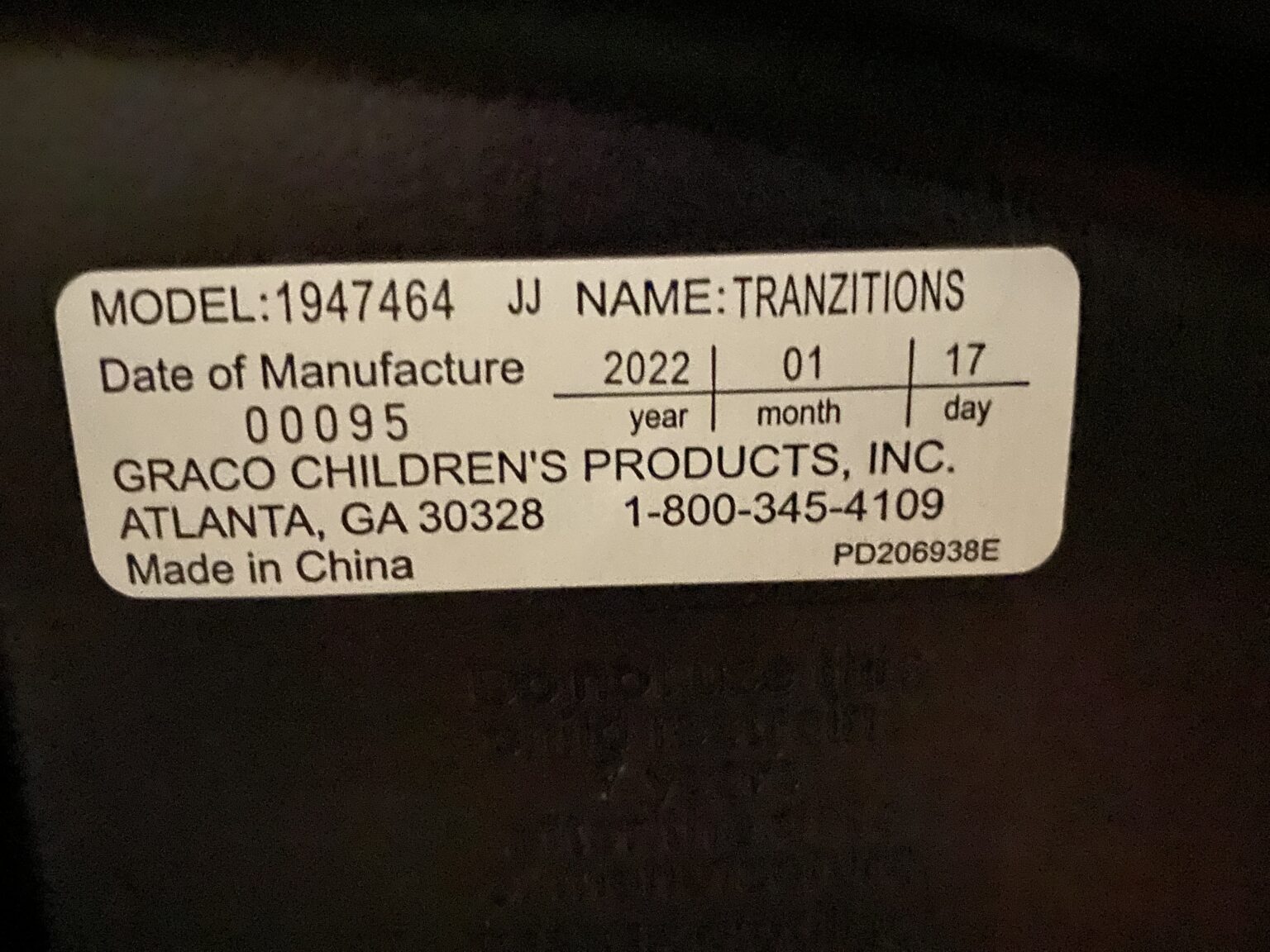
Look for phrases like: "DO NOT USE AFTER," "EXPIRATION DATE," "DOB (Date of Birth)," or "DOM (Date of Manufacture)."
Some manufacturers make it super easy and print the actual expiration date clearly. For example, you might see: "DO NOT USE AFTER: 12/31/2028." If you find this, congratulations – you've hit the jackpot!
However, many seats will only have a Date of Manufacture (DOM). This is when the car seat was "born." If you find this, you'll usually need to add a certain number of years to it to determine the expiration. Most car seats expire 6-10 years from their manufacture date. The exact number of years varies by manufacturer and model, so it’s always best to check your car seat’s manual or the manufacturer's website for specifics. For instance, if your seat says "DOM: 01/15/2020" and the manufacturer states a 7-year lifespan, then it expires on 01/15/2027.
You might also spot a "clock" dial molded into the plastic, with an arrow pointing to the month and year. This is almost always the manufacturing date, so remember to add the lifespan to it!
But What If I Seriously Can't Find It?
Don't fret! It happens, especially if labels have worn off or the seat is older. If you've searched everywhere and are still coming up empty, here's what to do:
Look for the model number and serial number. These are usually easier to find.

When Do Car Seats Expire? Finding Car Seats Expiration Date Head to the manufacturer's website. Most reputable car seat brands have a dedicated section for safety information or an FAQ where you can input your model number to find out the expiration details.
When in doubt, it’s always better to err on the side of caution. If a car seat is over 10 years old and you cannot confirm its expiration, it's generally best to replace it. A small investment in a new seat is invaluable for your child's safety.
So, Why Bother With All This Fuss?
It’s not just about following rules; it's about being an informed and proactive parent (or caregiver!). Knowing your car seat's expiration date gives you immense peace of mind. It ensures that the vital safety features – the harness, the energy-absorbing foam, the structural integrity – are all still in peak condition, ready to protect your precious cargo.
Think of it as giving your child's personal safety device a crucial health check-up. It's a small task that makes a monumental difference.
Wrapping It Up – Stay Safe & Curious!
Finding that little date might seem like a minor detail in the grand scheme of parenting, but it's a powerful reminder of how much thought and engineering goes into protecting our little ones. It's pretty cool, isn't it, how even seemingly inanimate objects like car seats have their own lifecycle?
So, the next time you're giving the car a good clean, or just checking on your little one, spare a moment for their car seat's secret age. Stay curious, stay informed, and enjoy those countless safe journeys ahead!