How To Disconnect Smoke Detectors Hard Wired

Alright, let's be honest. Who hasn't experienced that moment of sheer panic when the smoke detector decides to serenade you with its ear-splitting alarm, usually in response to a particularly enthusiastic cooking session, a dusty home renovation project, or perhaps just... burnt toast? It’s not just you. That high-pitched shriek can turn a peaceful evening into an instant stress-fest. Learning how to temporarily disconnect your hardwired smoke detectors isn't about being irresponsible; it's about gaining a little peace, quiet, and control in those specific, often frustrating, situations. Think of it as knowing a secret handshake to pause the noise, letting you finish that culinary masterpiece without an auditory assault, or tackle that paint job without triggering a false alarm symphony. It's empowering, practical, and frankly, a little bit of a superpower for the modern homeowner!
So, what’s the big benefit of knowing this little trick? Beyond silencing those annoying false alarms, understanding how to safely disconnect your hardwired smoke detectors is incredibly useful for a few key scenarios. Maybe you're replacing an old, chirping unit that’s past its prime, or perhaps you need to paint a ceiling and don't want paint splatters all over your detector. It's also invaluable during minor home repairs or even just when you're doing something that genuinely produces a lot of smoke or dust, like using a very hot oven or sanding drywall. Instead of waving towels frantically or suffering through the noise, you can proactively prevent the disruption. The purpose is not to disable your home’s critical safety features permanently, but to allow for temporary, controlled disengagement when you absolutely need it, ensuring your sanity remains intact and your neighbors aren't dialing 911 for your perfectly smoked brisket.
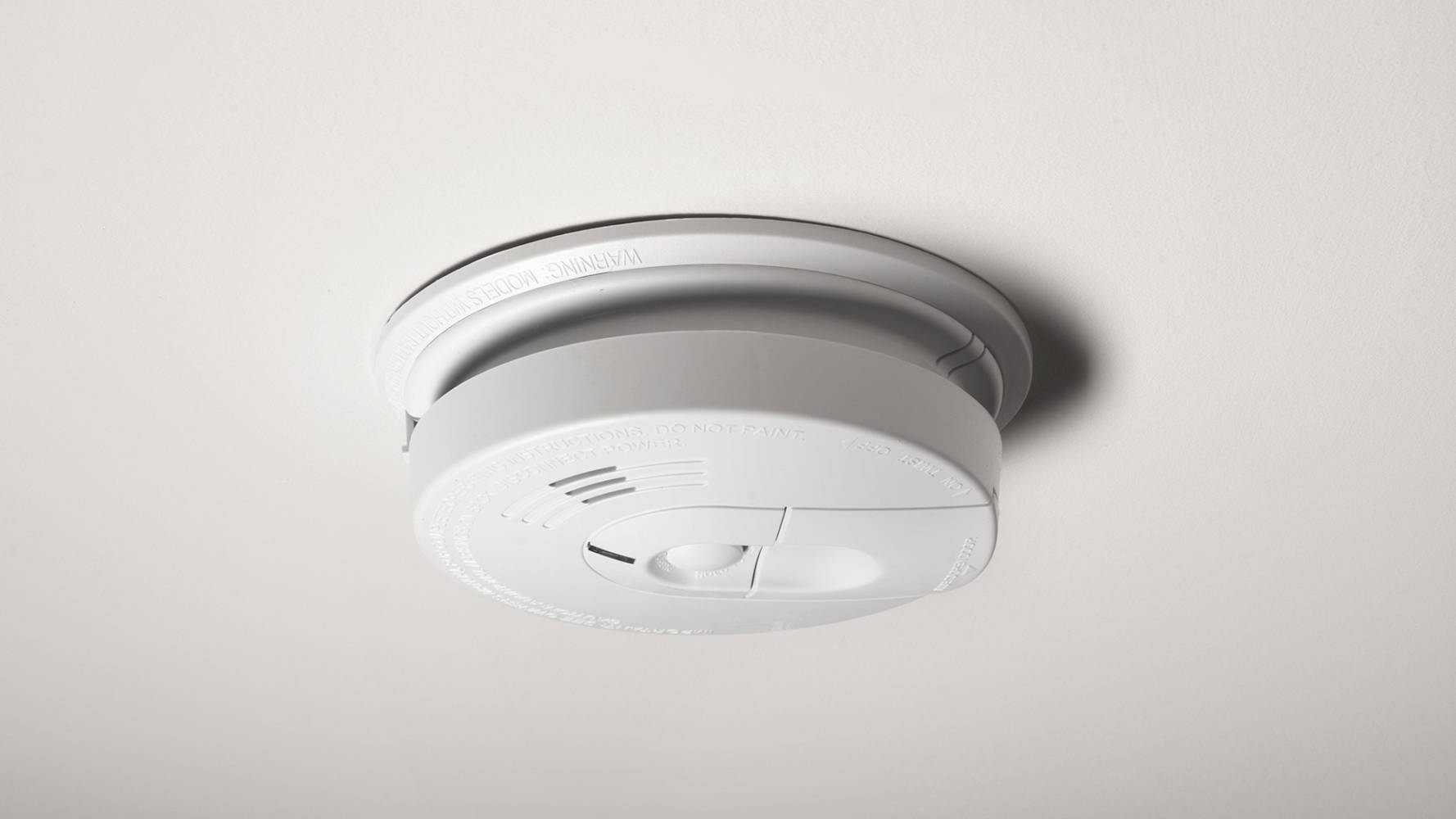
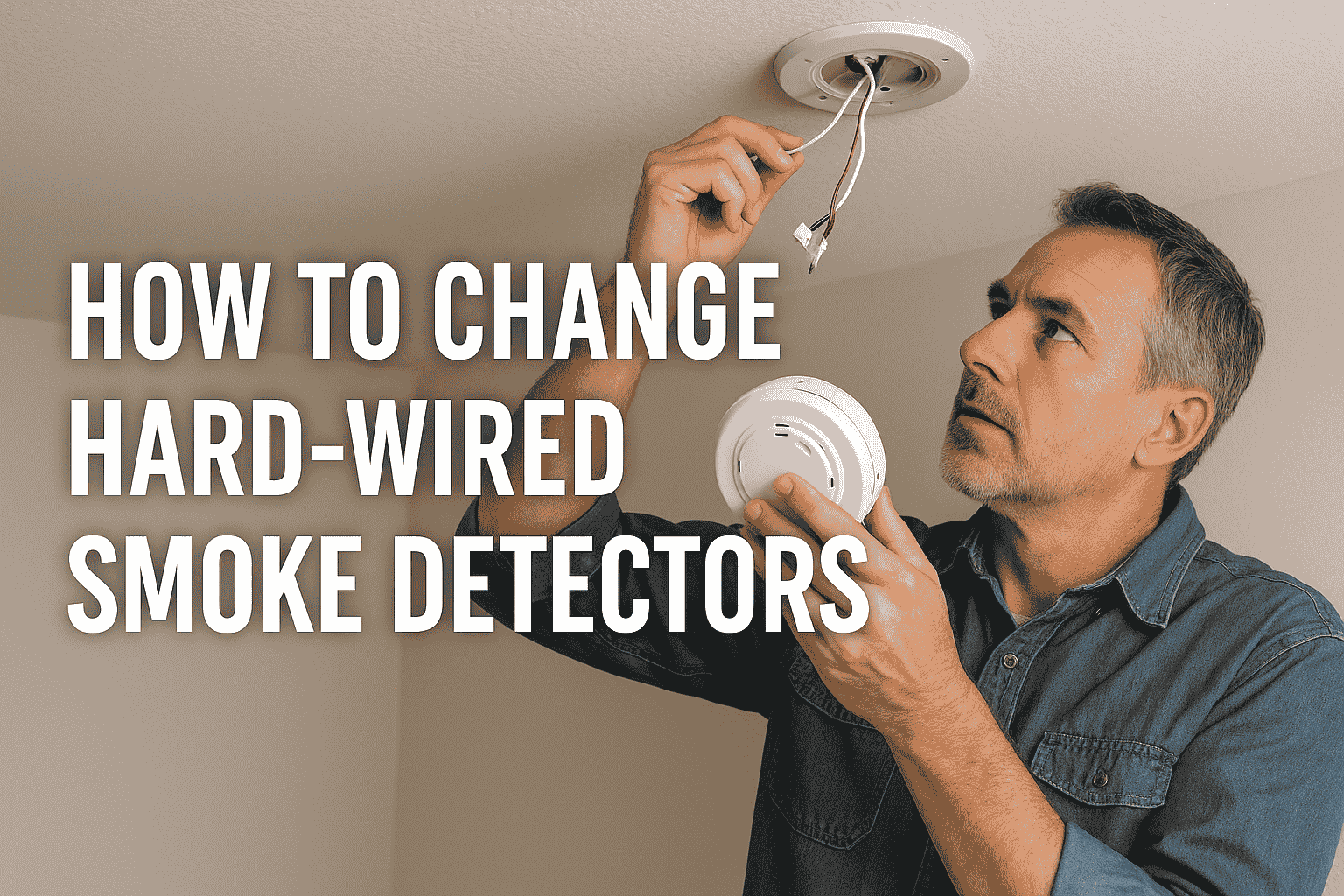
Now, let's talk about the 'how-to' with a huge emphasis on safety first! Because these are hardwired, we're dealing with your home's electrical system. Your absolute first step, always, is to locate and trip the circuit breaker that powers your smoke detectors. This usually means a trip to your electrical panel. Once you've confirmed the power is off (you can test it by trying to turn on nearby lights), you can safely proceed. Most smoke detectors attach to a mounting bracket with a simple twist. Give the unit a firm counter-clockwise twist, and it should detach. Then, you'll see a power clip connecting the detector to the wires coming from your ceiling. This clip usually has a small tab you squeeze to disconnect it. Lastly, don't forget the backup battery! Even hardwired units almost always have a 9-volt or AA battery inside. Pop that out, and your detector is fully disconnected.
Must Read
Remember, the golden rule here is temporary disconnection for specific purposes. Once your cooking adventure is over, the dust has settled, or the new unit is ready, it's crucial to reverse the process promptly. Reconnect the power clip, twist the detector back onto its mounting bracket, insert a fresh battery (this is a great time to replace it!), and most importantly, flip that circuit breaker back on. Always test your smoke detectors regularly, even after a temporary disconnection, to ensure they're fully functional and ready to protect your home and loved ones. Knowing how to do this safely and responsibly gives you a little more control over your living space, turning potential annoyances into manageable pauses – all while keeping your home's most vital safety feature ready for when it truly matters!