
How To Disconnect Hard Wired Smoke Alarm
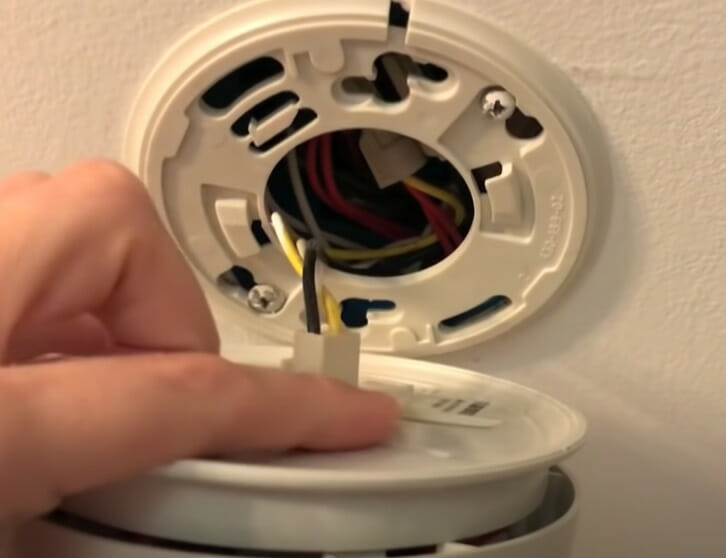
Alright, let's talk about something that might sound a little… edgy. No, we're not planning a heist or trying to pull a fast one on the fire department. Instead, we're diving into the curious world of your home's unsung guardian: the smoke alarm. Specifically, the kind that’s hardwired.
Ever had that moment? You're whipping up a storm in the kitchen, feeling like a culinary genius, and then – BEEP BEEP BEEP! – your smoke alarm decides your slightly-too-toasty toast is a five-alarm blaze. Or maybe you're doing a bit of enthusiastic DIY, dust flying everywhere, and suddenly your home thinks it's under a literal dust attack. We've all been there, right?
The Mystery of the Hardwired Home Guardian
You know those smoke alarms with batteries? Easy peasy. Pop out the old, pop in the new. But then there's the other kind, the hardwired ones. These bad boys are connected directly to your home's electrical system, like a tiny, dedicated sentinel hard at work. They often have a battery backup too, just in case the power goes out, making them extra diligent. Think of it like this: a battery-powered alarm is a lone scout on patrol, while a hardwired system is a whole interconnected network of watchful eyes, sharing information across your entire house. Pretty cool, when you think about it!
Must Read
It’s like your house has its own nervous system, and these alarms are a crucial part of its sensory organs. When one alarm detects smoke, it often signals the others, making sure everyone in the house gets the memo, loud and clear. It's a fantastic safety feature, undoubtedly. But sometimes, even the most dedicated guardians can be a little… overzealous.
Why Even Think About Disconnecting (Temporarily, Of Course!)?
Now, before anyone gets the wrong idea, we're not advocating for living dangerously! This isn't about ditching safety. It's about understanding your home, feeling a bit more empowered, and dealing with those occasional, shall we say, false alarms of enthusiasm.
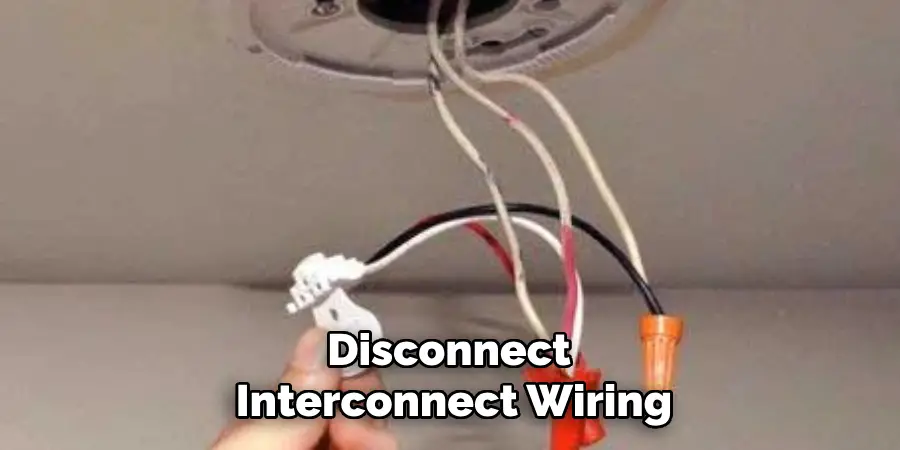
Imagine you’re painting, or sanding, or even just doing some serious deep cleaning where dust is inevitable. Or perhaps you're experimenting with a new, smoky recipe (flambé, anyone?). In these moments, temporarily silencing or disconnecting an alarm can save your ears, your nerves, and the sanity of anyone else in the house. It's about taking control of a situation, like hitting the pause button on an overly dramatic movie.
It's also genuinely interesting to peek behind the curtain, isn't it? To understand how these essential devices are connected, how they draw power, and how they become part of your home's bigger electrical picture. It’s a little slice of DIY knowledge that makes you feel more connected to the very structure you live in. Kind of like understanding how your car engine works, even if you’re not planning to rebuild it.
The "How To": A Quick, Curious Peek (Safety First, Always!)
So, you're curious about the mechanics, the choreography of temporarily disconnecting one of these vigilant sentinels. Here’s the super-simplified, curiosity-driven rundown, keeping safety front and center:
Step 1: Find the Brain. Your home's electrical system has a main brain: the circuit breaker box. This is where all the power lines converge and can be switched off. You'll need to identify the circuit that powers your smoke alarms. Sometimes it's labeled, sometimes it's a bit of detective work (switching things off one by one, carefully, until the alarm goes silent). This step is crucial because you never, ever want to mess with electrical wires that are still live. Think of it like a surgeon preparing for an operation – you cut off the blood flow (power) before you start.
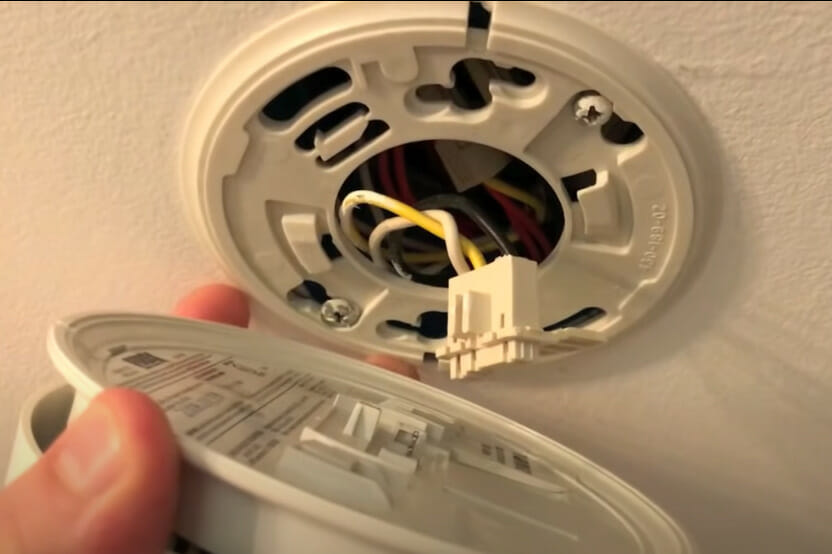
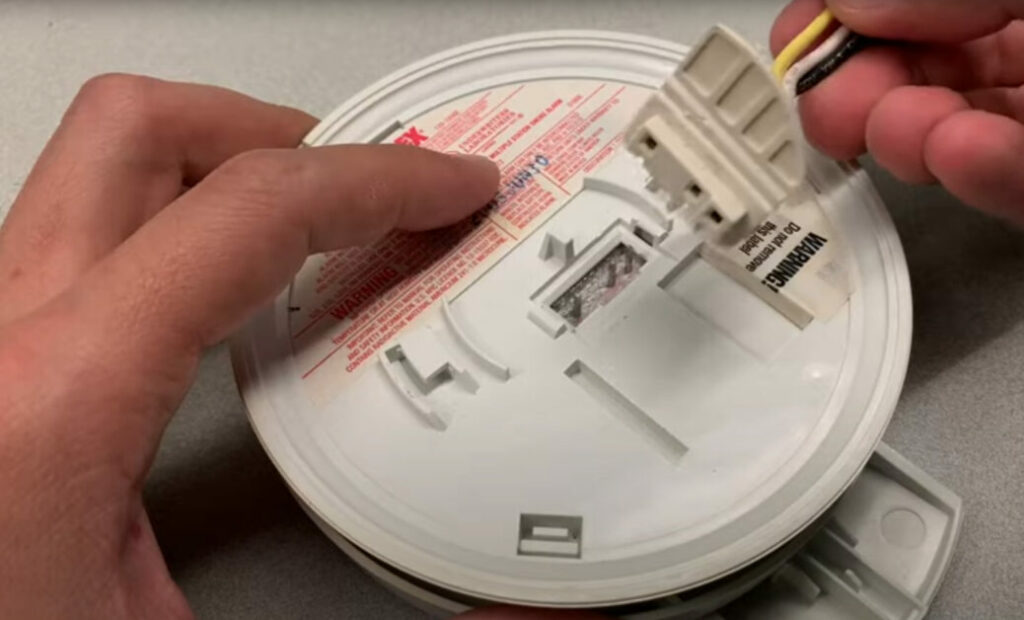
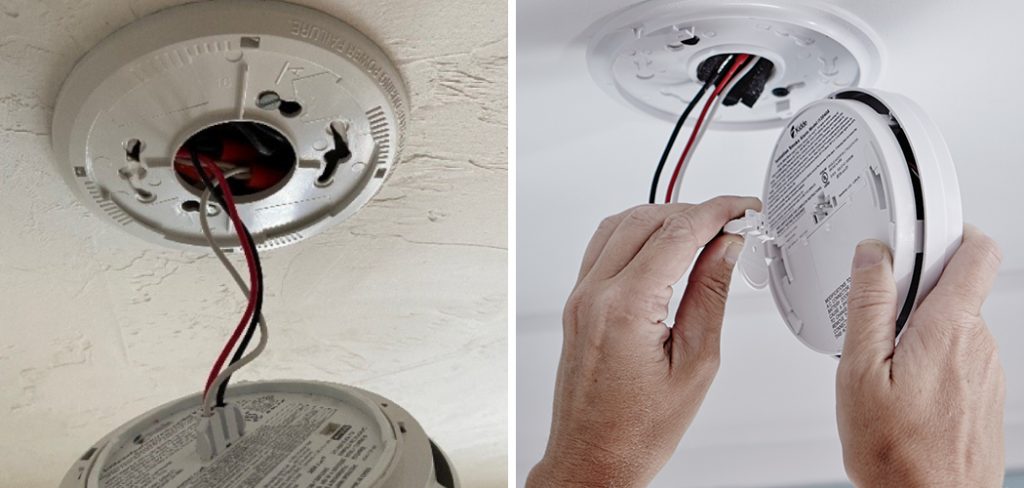
Step 2: The Twist and Detach. Once the power is definitively off, the fun part begins! Most hardwired smoke alarms are attached to a mounting bracket, and they usually connect with a simple twist-and-lock mechanism. There’s often a small clip or lever you press. Then, you'll see a small plastic connector plugged into the back of the alarm – this is where the hardwired power comes in. Gently unplug it. It's usually a standard electrical connector, designed to be safely detachable.
Look at that! You’ve just temporarily unplugged your home's watchful eye. It's not magic, it's just… wiring! Seeing it firsthand demystifies the whole process and gives you a tiny surge of "I understand my house!" satisfaction.
The Reconnection and The Takeaway
When your smoky cooking adventure is over, or the dust has settled, the process is just as straightforward: plug the connector back in, twist the alarm onto its bracket, and most importantly, flip that circuit breaker back on. Don't forget the battery backup too!
The real "cool" factor here isn't just knowing how to do it, but understanding why it's done this way. It’s a beautifully simple, yet incredibly effective system designed for your safety. Learning to temporarily disconnect it isn't about bypassing safety; it's about gaining a deeper appreciation for the technology and knowing how to manage it responsibly in specific, temporary situations.
So next time your smoke alarm decides your cooking deserves an immediate emergency response, remember this little peek behind the scenes. You're not just a homeowner; you're a curious explorer of your living space, equipped with a bit more knowledge about its inner workings. Stay safe, stay curious, and maybe keep a window open when attempting that new chili recipe!